Sign up with Google
 Sign in with Zoho

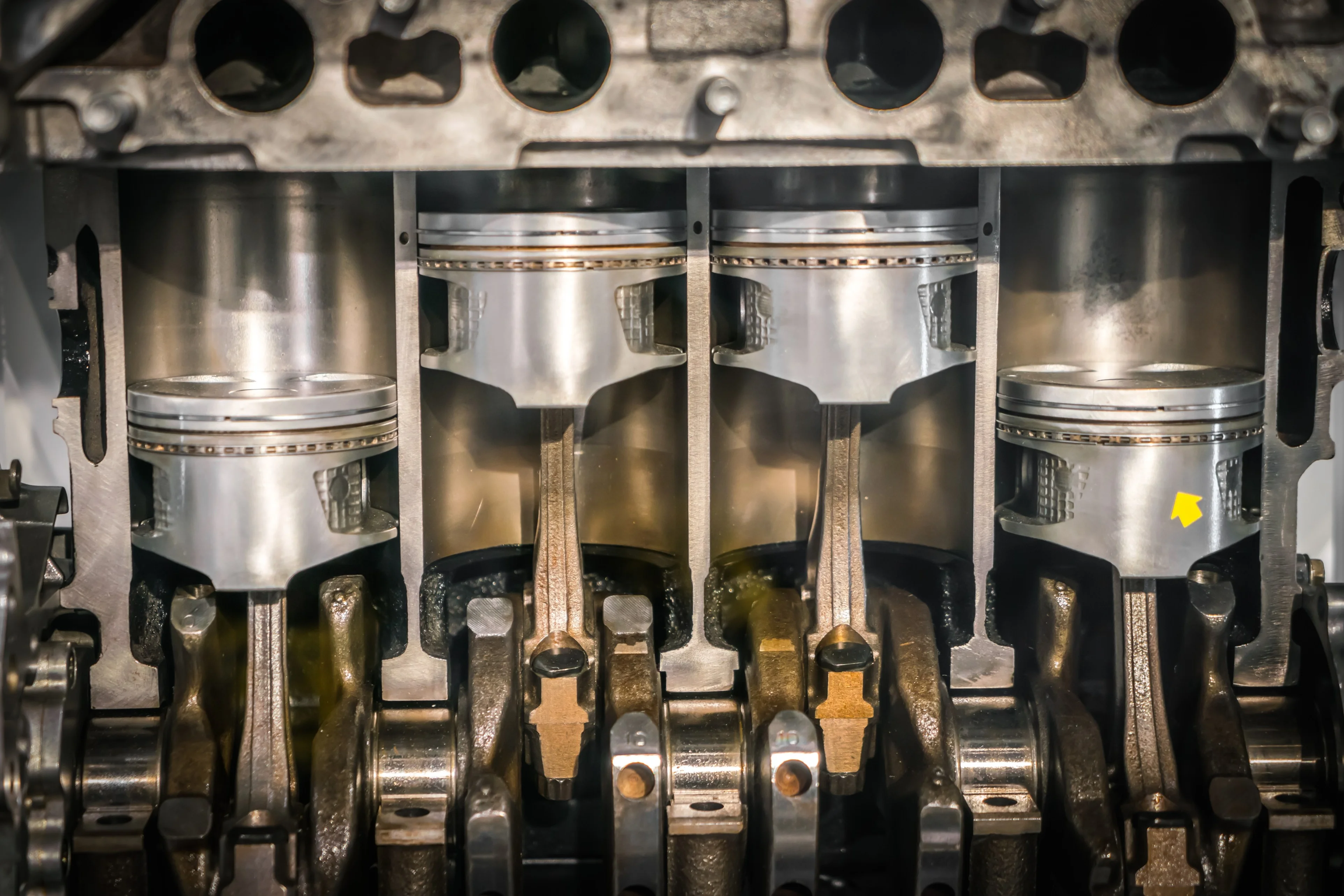
The Pontiac 400 is one of the most recognizable V8 engines from Pontiac's classic era. Known for its strong torque, durable architecture, and broad performance potential, the 400 has become a popular choice for restoration projects, street builds, and performance-oriented classic cars. However, getting the most from this engine requires more than rebuilding the bottom end or installing a larger carburetor. The ignition system also needs to be correctly matched to the engine.
One of the most important ignition components is the distributor. It determines when the spark is delivered to each cylinder and plays a major role in starting, idle quality, throttle response, fuel economy, and overall engine performance. Choosing the wrong unit can create timing problems even when the rest of the engine is assembled correctly.
That is why selecting a pontiac Engine Distributor for a Pontiac 400 requires careful consideration. Fitment is important, but it is only the beginning. You also need to evaluate the distributor's ignition type, advance curve, distributor gear, shaft condition, cap and rotor, vacuum advance, and compatibility with the rest of the ignition system.
Whether you are restoring a factory-style Pontiac or building a modified 400 for regular street driving, this guide explains what to check before buying a distributor.
Why the Distributor Is Important on a Pontiac 400
The distributor has a fundamental job in a conventional gasoline engine. It routes high-voltage energy from the ignition coil to the correct spark plug at the correct time.
On a Pontiac 400, this process must remain consistent across the engine's operating range. The distributor has to maintain the correct relationship between the crankshaft, camshaft, and ignition system.
A properly functioning distributor can contribute to:
- Reliable engine starting
- Smooth idle operation
- Responsive acceleration
- Consistent ignition timing
- Efficient combustion
- Good cruising performance
- Stable operation at higher rpm
A worn or incorrectly calibrated distributor can produce the opposite results. The engine may crank for longer before starting, hesitate during acceleration, idle poorly, or experience ignition timing that changes unpredictably.
For this reason, the distributor should be considered an essential part of the Pontiac 400's overall engine combination.
Start by Identifying Your Pontiac 400
Before shopping for a distributor, identify the exact Pontiac 400 engine you have. Simply knowing that you own a Pontiac 400 is useful, but it does not provide every detail needed to select the correct ignition component.
Consider the following:
- Engine model year
- Vehicle model
- Factory or replacement engine
- Cylinder head configuration
- Compression ratio
- Camshaft
- Intake manifold
- Carburetor
- Ignition system
- Intended driving conditions
- Existing distributor
This is especially important if your classic Pontiac has been modified over the years.
A vehicle may have originally left the factory with one ignition configuration but now have a rebuilt engine, aftermarket camshaft, electronic ignition conversion, or different cylinder heads. The correct distributor should be selected according to the engine's current configuration and your desired application.
Check the Engine's Model Year
Model year is one of the first details to verify when purchasing a pontiac Engine Distributor.
Pontiac's ignition systems evolved over the years. Distributor design, ignition components, advance characteristics, and electrical systems can differ between applications.
Do not assume that a distributor listed for "Pontiac 400" automatically fits every Pontiac 400 ever produced.
When comparing parts, look for specific application information rather than relying on displacement alone.
If possible, document the year and model of the vehicle, the engine identification information, and any known changes made during previous restoration work.
This information can make the parts-selection process significantly easier.
Determine Whether Your Pontiac 400 Uses Points or Electronic Ignition
One of the biggest decisions is whether you want to retain a traditional points-style ignition system or use electronic ignition.
Points-Style Ignition
Many classic Pontiac 400 applications originally used mechanical points ignition.
Points systems have historical appeal because they preserve the original style and operation of the vehicle. They can also be serviced using traditional mechanical procedures.
However, points contacts wear over time and require periodic inspection and adjustment.
For a concours-style restoration, retaining points may be important. For a classic Pontiac that is driven frequently, some owners may prefer electronic ignition for reduced routine maintenance.
Electronic Ignition
Electronic ignition replaces traditional breaker points with an electronic triggering mechanism.
Potential benefits include:
- Consistent ignition triggering
- Reduced routine maintenance
- Reliable starting
- Stable operation
- Elimination of mechanical point-contact wear
Electronic ignition is available in different forms, so make sure the selected system is compatible with the distributor, ignition coil, wiring, and other components.
When purchasing pontiac Auto/car Parts, it is important to understand whether the component is intended for a factory points system, an electronic conversion, or a complete electronic distributor.
Pay Attention to the Advance Curve
The distributor does more than send spark to each cylinder. Its timing mechanism changes ignition timing as engine speed and load change.
This makes the advance curve extremely important.
A stock Pontiac 400 and a heavily modified Pontiac 400 may have very different ignition requirements.
For example, modifications such as:
- Higher compression
- Performance camshaft
- Different cylinder heads
- Larger carburetor
- Aftermarket intake
- Improved exhaust
- Increased engine operating speed
can change how the engine responds to ignition timing.
A distributor with an inappropriate advance curve may cause poor drivability, sluggish response, overheating, or detonation.
The goal is not simply to maximize ignition advance. The correct curve should provide appropriate timing throughout the engine's operating range without creating unwanted combustion problems.
Understand Mechanical Advance
Mechanical advance is controlled by components inside the distributor, traditionally including weights and springs.
As engine speed increases, the mechanism advances the ignition timing.
Different distributors can have different mechanical advance characteristics. Some provide faster timing changes, while others are calibrated more conservatively.
For a stock-style Pontiac 400, an application-specific factory-type curve may be appropriate.
For a modified engine, the curve may need to be tuned according to the engine's compression, camshaft, fuel, and operating range.
This is one reason a generic distributor is not always the best solution.
Don't Forget Vacuum Advance
Vacuum advance can be particularly useful on street-driven Pontiac 400s.
It responds to engine load and manifold vacuum. Under appropriate light-load cruising conditions, additional ignition advance can improve combustion efficiency.
The result can include better cruising characteristics and potentially improved fuel economy.
However, vacuum advance systems vary, and their operation needs to be compatible with the engine and carburetor setup.
Before buying a distributor, find out:
- Whether vacuum advance is included
- How it is activated
- How much additional timing it provides
- Whether it is adjustable
- Whether it matches your intended application
If the vehicle is primarily used for street driving, vacuum advance should not be overlooked.
Inspect Distributor Gear Compatibility
Distributor gear compatibility is one of the most important technical details when building or rebuilding a Pontiac 400.
The distributor gear engages with the camshaft gear. The two components must be compatible.
This becomes especially important when the engine has an aftermarket camshaft.
A performance camshaft may have specific recommendations regarding distributor gear material. Installing an unsuitable gear can accelerate wear and potentially damage the engine's timing components.
Before purchasing a pontiac Engine Distributor, identify the camshaft used in the engine and check whether the distributor gear is appropriate.
If you do not know what camshaft is installed, investigate the engine's build records or consult a knowledgeable engine builder before making a decision.
Consider Shaft Stability and Wear
Distributor shaft condition affects ignition timing stability.
A distributor shaft that has excessive side-to-side movement can cause timing variations. This can make the engine difficult to tune and may contribute to inconsistent performance.
When evaluating a used or rebuilt distributor, inspect the shaft for excessive play.
Also check:
- Bushings
- Distributor gear
- Advance mechanism
- Retaining components
- Housing
- Lubrication points
- Corrosion
A distributor that looks clean on the outside may still have significant internal wear.
For a valuable restoration, rebuilding an original distributor can sometimes be preferable to replacing it with an inexpensive generic unit.
Examine the Cap and Rotor
The distributor cap and rotor transfer high-voltage ignition energy to the spark plug wires.
They should be clean, undamaged, and correctly matched to the distributor.
Look for:
- Cracks
- Carbon tracking
- Burned terminals
- Corrosion
- Moisture
- Excessive wear
- Poor-quality construction
The rotor must also fit securely and align correctly with the cap terminals.
When purchasing a replacement distributor, verify that replacement caps and rotors are readily available. This can make future maintenance much easier.
Verify Spark Plug Wire Arrangement
The distributor must work correctly with your spark plug wires and engine firing order.
During installation, it is easy to accidentally move wires to incorrect positions. This can result in backfiring, misfires, poor starting, or an engine that will not run.
Before removing the original distributor, take clear notes or photographs of the wire arrangement and distributor orientation.
After installation, double-check every wire.
Never assume that physically connecting all eight wires means the ignition system is correctly configured.
Match the Distributor to the Ignition Coil
The distributor should be compatible with the ignition coil.
This is particularly important if you are converting from points ignition to electronic ignition.
Different ignition systems can have different coil requirements. Using mismatched components may result in poor ignition performance or premature component failure.
If you are upgrading the ignition system, consider the distributor and coil together.
A complete, compatible ignition package is generally easier to install and tune than a collection of unrelated components.
Consider Your Pontiac 400's Compression Ratio
Compression ratio can influence ignition requirements.
A higher-compression engine may respond differently to ignition timing than a lower-compression factory-style engine.
This does not mean that a high-compression Pontiac automatically requires a specific distributor. Instead, it means the distributor's timing characteristics need to be considered alongside the entire engine combination.
Fuel quality also matters. An ignition setup that works correctly with one fuel specification may need adjustment when fuel characteristics change.
If you are building a performance Pontiac 400, work with accurate engine specifications instead of guessing at the ideal timing setup.
Think About the Camshaft
Camshaft selection can significantly affect ignition tuning.
A stock or mild camshaft generally produces different vacuum characteristics than a large performance camshaft.
This can influence how the vacuum advance system behaves and how the engine responds to ignition timing.
If your Pontiac 400 has an aftermarket camshaft, make sure the distributor and its advance system are suitable for that combination.
This is another reason why simply searching for a distributor based on "400 engine" may not produce the best result.
Restoration vs. Performance: Choose Accordingly
Your project goals should guide your purchase.
Factory-Style Restoration
If your goal is authenticity, consider a distributor that resembles and operates like the original factory component.
Original-style components can help preserve:
- Engine compartment appearance
- Factory-style ignition configuration
- Historical authenticity
- Original driving characteristics
For many collectors, these details are just as important as mechanical operation.
Street-Driven Pontiac 400
For a regularly driven vehicle, reliability and ease of maintenance may be more important.
Electronic ignition can be attractive in this situation, particularly when combined with quality distributor components and an appropriate timing curve.
Performance Build
A modified Pontiac 400 requires closer attention to ignition timing.
Distributor characteristics should be matched to:
- Compression ratio
- Camshaft
- Cylinder heads
- Fuel
- Carburetor
- Intake manifold
- Exhaust system
- Intended rpm range
A performance distributor should not be selected simply because it has a high-performance label.
New, Used, Rebuilt, or Original?
There are several ways to source a distributor.
New Distributor
A new unit provides the advantage of fresh components and predictable condition. However, verify the specifications carefully.
Used Original Distributor
An original distributor may be valuable for a restoration, but it should be thoroughly inspected before installation.
Rebuilt Distributor
A rebuilt original unit can combine factory-style components with refreshed internal parts.
Performance Distributor
A performance-focused distributor may offer adjustable timing characteristics and electronic ignition features.
The right choice depends on your priorities, budget, and engine configuration.
Why Quality Pontiac Parts Matter
A distributor is only one component in a larger ignition and engine system. Using properly matched pontiac Auto/car Parts throughout the restoration can make installation and troubleshooting easier.
Classic vehicles often require parts that are specific to particular years and applications. Generic replacements may physically fit but have different specifications.
When shopping for pontiac Auto/car Parts, compare application information carefully and keep records of the components already installed on your vehicle.
This is particularly helpful for vehicles that have undergone multiple restorations or engine swaps.
Choosing Bop Parts for Classic Pontiac Components
Finding reliable components for a classic Pontiac can be challenging. Many original parts have been discontinued, while modern replacements may not always provide the correct fit or appearance.
Bop Parts is a pontiac Auto/car Parts Dealer Online serving enthusiasts looking for Buick, Oldsmobile, and Pontiac components.
For restoration projects, a specialist parts source can make it easier to identify components according to their classic vehicle applications.
When contacting or ordering from a supplier, provide details such as:
- Pontiac year
- Vehicle model
- Engine size
- Engine modifications
- Original ignition type
- Desired replacement type
The more information you provide, the easier it becomes to identify suitable pontiac Auto/car Parts.
Common Mistakes to Avoid
Choosing a distributor can become unnecessarily expensive when basic compatibility checks are skipped.
Here are some common mistakes to avoid.
Choosing by Displacement Alone
A Pontiac 400 designation does not tell you everything about the ignition requirements.
Ignoring the Camshaft
An aftermarket camshaft can change the engine's timing and vacuum requirements.
Forgetting Gear Compatibility
Always verify distributor gear compatibility, particularly with aftermarket camshafts.
Buying the Cheapest Distributor
Low price does not guarantee quality, timing stability, or correct calibration.
Ignoring Shaft Wear
A worn shaft can cause timing instability.
Installing Without Checking Timing
Distributor orientation alone is not enough. Verify actual ignition timing.
Mixing Ignition Components
Ensure the distributor, coil, cap, rotor, wires, and ignition control components work together.
Failing to Identify Engine Modifications
A modified engine should not necessarily use the same distributor calibration as a factory-stock engine.
Questions to Ask Before Buying
Before purchasing a pontiac Engine Distributor, ask these questions:
- Is this distributor specifically compatible with my Pontiac 400?
- What model years does it cover?
- Is it designed for points or electronic ignition?
- What is the mechanical advance range?
- Does it include vacuum advance?
- Is the vacuum advance adjustable?
- Is the distributor gear compatible with my camshaft?
- Are replacement caps and rotors available?
- Is the shaft properly supported?
- Is the unit intended for stock or modified engines?
- Does it work with my ignition coil?
- Is it appropriate for my vehicle's intended use?
Getting clear answers to these questions can prevent many common installation and tuning problems.
Installation Tips for a Pontiac 400 Distributor
Once you have selected your distributor, installation should be approached carefully.
Start by bringing the engine to the appropriate timing position according to the service procedure for your engine.
Before removing the old distributor, record its position. Mark the housing and note the rotor orientation.
After installing the replacement:
- Confirm distributor seating.
- Connect the ignition wires correctly.
- Connect the vacuum advance line if applicable.
- Connect the ignition wiring.
- Verify the firing order.
- Start the engine.
- Check initial ignition timing.
- Inspect for abnormal operation.
- Verify timing as engine speed changes.
- Road-test the vehicle carefully.
If the distributor does not seat correctly, do not force it into position. The distributor gear needs to engage properly with the engine's timing system.
How to Maintain Your Pontiac 400 Distributor
Proper maintenance can extend distributor life and help preserve stable ignition performance.
Inspect the distributor periodically for:
- Cap damage
- Rotor wear
- Shaft movement
- Gear wear
- Corrosion
- Wiring damage
- Vacuum advance problems
- Ignition timing changes
If your Pontiac uses points ignition, follow the appropriate inspection and adjustment schedule.
For electronic ignition, inspect electrical connections and related components regularly.
Keeping the distributor clean and properly maintained is a simple way to support reliable engine operation.
A Practical Buying Checklist
Before ordering, use this checklist to confirm compatibility:
- Confirm the exact Pontiac 400 engine.
- Identify the engine model year.
- Check the vehicle application.
- Determine points or electronic ignition.
- Identify the camshaft.
- Verify distributor gear compatibility.
- Check mechanical advance characteristics.
- Check vacuum advance requirements.
- Inspect shaft specifications.
- Verify cap and rotor availability.
- Check ignition coil compatibility.
- Consider compression ratio.
- Account for engine modifications.
- Decide between restoration and performance priorities.
- Choose a reputable supplier.
Final Thoughts
Buying the right pontiac Engine Distributor for a Pontiac 400 requires careful attention to compatibility. The best distributor is not necessarily the newest, most expensive, or most heavily advertised unit. It is the one that matches your engine's specifications and supports the way you intend to use the vehicle.
Start with the engine's model year and ignition configuration. Then evaluate the distributor's advance curve, vacuum advance, gear compatibility, shaft condition, cap, rotor, and electrical requirements. If the engine has been modified, include those changes in your decision.
For classic car enthusiasts, sourcing quality pontiac Auto/car Parts is an important part of maintaining a reliable restoration. Bop Parts, a pontiac Auto/car Parts Dealer Online, provides a specialized source for classic Buick, Oldsmobile, and Pontiac components.
Whether you are restoring a factory-style Pontiac 400 or building a dependable street-performance V8, taking time to verify the distributor before buying can save you money, reduce installation problems, and make final engine tuning much easier.
A properly selected pontiac Engine Distributor can help your Pontiac 400 start reliably, maintain stable ignition timing, respond smoothly to the throttle, and deliver the classic V8 character enthusiasts expect. The key is to match the distributor to the complete engine combination rather than treating it as a universal replacement part.