Sign up with Google
 Sign in with Zoho

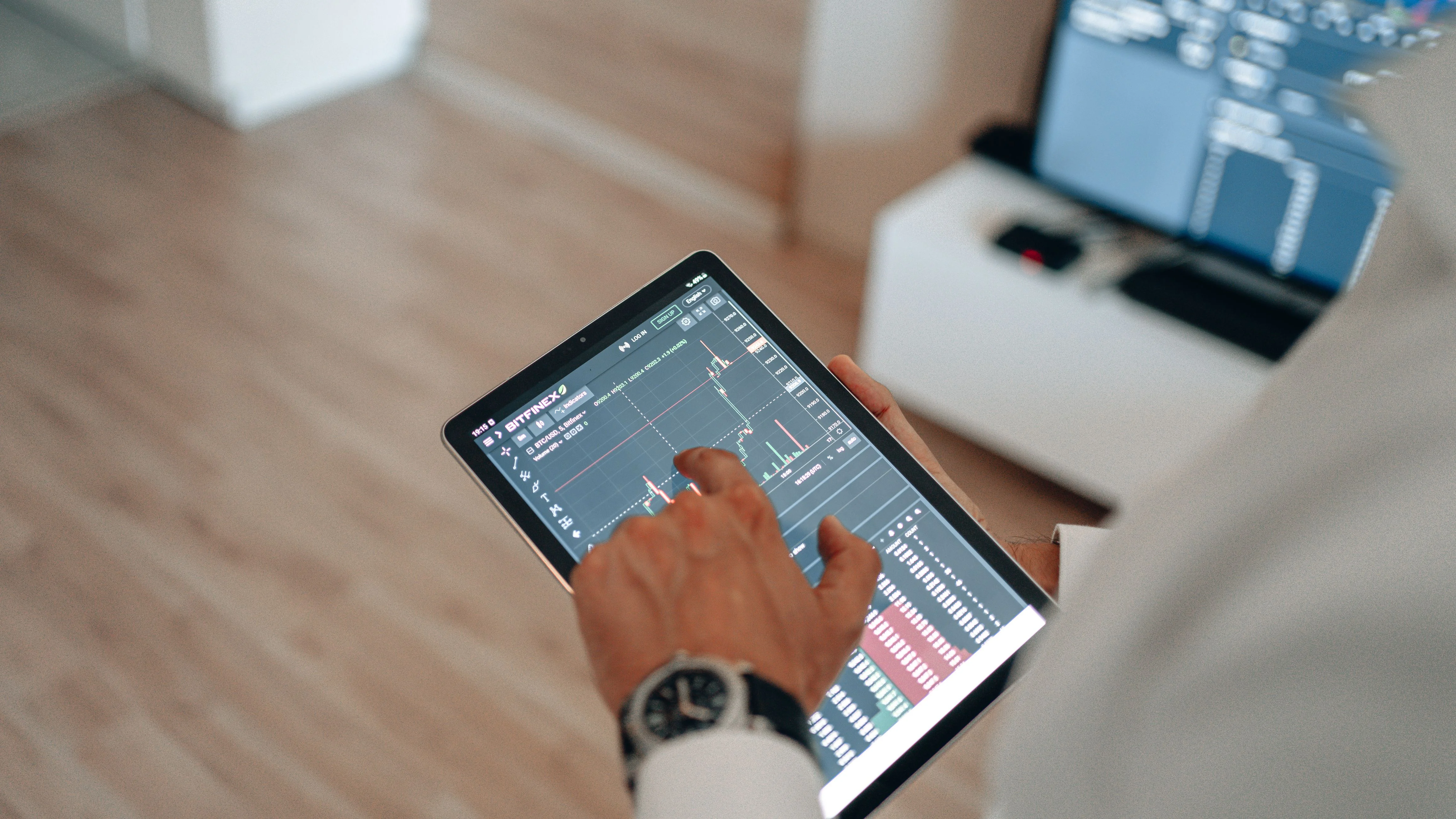
Two traders buy the exact same call option, same strike, same expiration, same day event, and one comes out ahead while the other loses money despite the stock moving in the correct direction for both of them. Feels impossible on the surface, right? It isn't though, and the explanation usually comes down to the Greeks quietly working against one trader and in favor of the other. This is exactly why serious traders lean on option greeks software instead of just watching the stock price alone and assuming that's the whole story worth paying attention to.
Delta Tells You More Than Just Direction Sensitivity
Most traders understand delta at a surface level, it measures how much an option's price moves relative to the underlying stock's price movement. What a lot of people miss is that delta itself changes constantly as the stock price moves and as time passes toward expiration. An option that started with a delta of thirty can behave completely differently once the stock rallies and that delta climbs toward sixty or seventy. Ignoring how delta shifts dynamically over the life of a trade leads to real surprises, and not the pleasant kind either.
Theta Decay Isn't Linear, Even Though A Lot Of People Assume It Is
Time decay accelerates as expiration approaches, it doesn't erode value at a steady, predictable pace throughout an option's entire life. An option might lose relatively little value to theta during its first several weeks, then suddenly start bleeding value noticeably faster during the final week or two before expiration. Traders who don't account for this acceleration often get blindsided holding a position too long, watching decay eat away at profits far faster near the end than it did earlier in the trade's overall lifespan.
Vega Explains Why A Correct Directional Call Can Still Lose Money
Here's something that genuinely confuses a lot of newer options traders. They correctly predict a stock's direction, the stock actually moves the way they expected, and the option still loses value anyway. Vega is usually the culprit hiding behind that frustrating outcome. If implied volatility drops significantly, often right after an earnings report resolves the uncertainty one way or another, that vega-driven decline can offset gains from a correct directional move entirely, sometimes even turning a technically correct prediction into an outright loss on paper.
Gamma Risk Grows Sharply As Expiration Gets Closer
Gamma measures how quickly delta itself changes, and it tends to increase dramatically as expiration approaches, especially for options trading close to the current stock price. This means positions can become considerably more volatile and unpredictable in their final days before expiration than they were just weeks earlier in the trade. A trader comfortable holding a position through moderate stock swings during the middle of a trade might find that same size position genuinely unmanageable during expiration week, purely because gamma has ramped up the underlying sensitivity so significantly by that point.
This Is Where Options Backtesting Software Shows You The Combined Effect
Understanding each individual greek in isolation is useful, genuinely useful, but seeing how they all interact together across an actual historical trade tells a much more complete and honest story. This is exactly why options backtesting software matters here specifically, showing how delta, theta, vega, and gamma combined to actually produce a trade's final real-world outcome, rather than just theorizing about each greek separately in a vacuum without seeing how they interact together in practice under realistic market conditions.
Rolling A Position Changes The Greek Exposure Completely
Traders often roll a losing or winning position to a new strike or expiration date without fully considering how dramatically that changes the greek exposure they're actually carrying going forward. A roll might reduce theta decay meaningfully while simultaneously increasing vega exposure, or the other way around entirely depending on the specific adjustment made. Treating a roll as simply "the same trade, just extended a bit further out" misses genuinely important shifts happening underneath in how that position will actually behave going forward from that point.
Portfolio-Level Greek Exposure Matters As Much As Individual Trade Greeks
Looking at greeks trade by trade in isolation only tells part of the story, honestly the smaller part in most cases. A portfolio holding multiple options positions can end up with concentrated risk in one particular direction without a trader even fully realizing it's happened. Maybe several separate positions all carry significant negative vega exposure simultaneously, meaning a broad volatility spike across the market could hurt the entire portfolio at once, all together, rather than each individual position being genuinely independent and uncorrelated as they might have assumed.
Software Removes The Manual Math Most Traders Skip Entirely
Calculating greeks by hand for a single option isn't wildly complicated in theory, there are established formulas for it after all. Doing it consistently, accurately, and in real time across an entire portfolio of multiple positions, though, that's genuinely a different challenge entirely. Most traders who try tracking this manually eventually just stop doing it altogether, reverting back to watching price alone and losing that deeper, more complete layer of insight the greeks were actually providing them all along.
Bringing It All Together
So why do two seemingly identical trades perform so differently in the end? The greeks are usually the honest answer sitting quietly underneath, working in the background the entire time even when nobody's actively paying attention to them. Relying on solid option greeks software to track delta, theta, vega, and gamma in real time removes a lot of the guesswork that trips traders up constantly. Pairing that real-time tracking with options backtesting software to see how those exact same greeks played out across historical trades gives a genuinely complete picture, one that watching the stock price alone could simply never provide on its own, no matter how carefully someone watches it.