Sign up with Google
 Sign in with Zoho
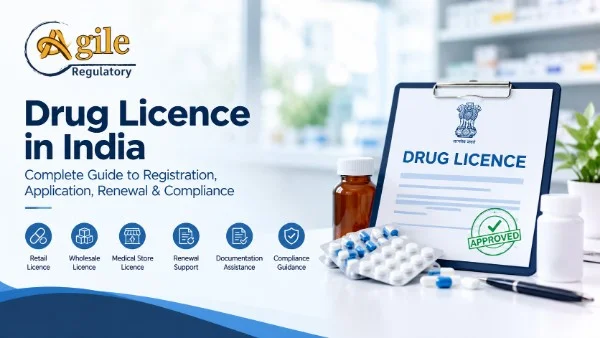
There are many practical decisions involved during the process of opening a medical store, including selecting a suitable location, hiring qualified staff, and management of medicine storage facilities. Another important part of the setup is regulatory licensing.
Just because the shop is registered as a business, a medical store cannot start selling medicines. Pharmaceutical sales are regulated and drug licensing requirements should be considered before commencing operations.
Retail pharmacy dealing with medicines generally requires drug licence for medical store. The exact process and paperwork will vary from state to state and depending on the type of products you are selling.
Knowing what to expect can help a new pharmacy owner get the right paperwork and set up the store properly.
Why Does a Medical Store Need a Drug License?
Medicines have direct effects on public health and as such, their sale and distribution are regulated. Licensing helps authorities monitor businesses that handle pharmaceutical products.
The licensing framework covers areas such as:
- Storage of medicines
- Sale of pharmaceutical products
- Qualified personnel
- Purchase records
- Product documentation
- Premises requirements
- Inspection and compliance
The license is therefore linked to the actual pharmaceutical activity being carried out by the business.
What Should Be Checked Before Opening a Pharmacy?
The business owner should see the proposed premises and the way the business will be run before applying.
The shop has to be suitable for the activity to be carried out and have the storage arrangements required. Refrigeration or storage facilities: If your business will handle products that need controlled temperatures, then you might need adequate refrigeration or storage facilities.
The applicant should also identify the person who will satisfy the applicable qualification or competency requirements.
These checks are useful because changing the premises or staffing arrangement after submitting an application can complicate the process.
Basic Documents Commonly Required
The exact document list should be checked with the relevant state authority, but applications may require documents relating to:
- Applicant identity
- Business constitution
- Premises ownership or tenancy
- Address proof
- Site or premises details
- Pharmacist or competent person
- Educational or registration documents
- Photographs
- Declarations and affidavits where applicable
- Storage facilities
- Other supporting information requested by the authority
Documents should be current and consistent.
For example, if the shop address appears differently in different documents, the authority may request clarification.
Applying for a Retail Drug License
The application process is generally based on the requirements of the State Drug Control Department.
An applicant normally begins by identifying the relevant retail category and registering or logging into the applicable online system.
The application will require details of the business and premises and supporting documentation. On submission the department may consider the application and where appropriate arrange an inspection.
An inspection can be important because the authority may need to satisfy itself that the premises and facilities comply with the prescribed conditions.
Where an objection or deficiency is made the applicant shall answer with the information sought or correction required.
The license is issued if the application meets the applicable requirements.
What Is a Drug License Consultant?
A drug license consultant is a professional or service provider that assists businesses with regulatory procedures regarding drug licensing.
Consultants may assist with activities such as:
- Identifying the relevant application category
- Reviewing documents
- Preparing application information
- Guiding applicants through online procedures
- Coordinating documentation
- Tracking application progress
- Assisting with responses to department queries
The consultant plays mainly a procedural and regulatory role. The final decision regarding the license remains with the competent authority.
What Should a Business Expect From a Consultant?
A good consultant should first understand the actual business activity instead of immediately suggesting an application.
For example, a business selling medicines directly to customers may have different requirements from a distributor. Businesses dealing in specific categories of medicines may also have other compliance considerations.
Therefore, it is important for a consultant to pose pertinent questions regarding the premises, the products, the business model, the responsible individuals and the intended operations.
Businesses should also ask for a clear explanation of the required documents and the application process.
Responsibilities After Getting the License
Approval does not mean regulatory obligations are lifted.
A pharmacy must keep proper records of purchases and sales and abide by the terms of its licence. Medicines shall be stored according to applicable requirements.
The business should also ensure it is compliant with expiry dates, product sources and documentation and inspection related requirements.
A change in business may also require a license to be updated or changed. e.g. change in premises, constitution, responsible persons or other material detail.
Renewal and Ongoing Compliance
A business should not wait until the last moment to review its licensing status.
Where applicable renewal or retention procedures are in place, the business should check the relevant state system and timelines that apply. Keep on organizing the supporting documentation to support future regulatory filings efficiently.
Routine internal checks can also help identify issues with records, storage, personnel or premises before they grow into bigger compliance issues.
Mistakes New Pharmacy Owners Often Make
One common mistake is assuming that a general shop or business registration is enough to sell medicines.
Another is arranging the premises first without checking the applicable pharmaceutical requirements.
Some applicants also submit documents without checking whether names, addresses, and other details match.
A further problem is failing to maintain compliance after the license is issued. Licensing is an ongoing responsibility, not simply an approval obtained during the business launch.
Should You Apply Yourself or Take Professional Help?
A savvy business owner who knows his or her way around government portals and regulatory documentation might opt to do the application himself or herself.
If you are new to the process, have multiple licensing requirements, or would like to have your documents reviewed before submitting them, professional help can be useful.
Businesses should know exactly what services are included when hiring a consultant. It’s wise to avoid providers making unrealistic claims about regulatory approval or timelines.
Final Checklist for a Medical Store
Before beginning operations, review the following:
- Identify the appropriate retail drug license category.
- Confirm that the premises satisfy applicable requirements.
- Arrange the required qualified personnel.
- Prepare identity, business, premises, and qualification documents.
- Complete the application using accurate information.
- Keep acknowledgement and submission records.
- Be prepared for regulatory inspection if applicable.
- Respond to department queries within the required time.
- Maintain records after approval.
- Monitor renewal, modification, and ongoing compliance requirements.
Conclusion
Running a medical store is more than simply buying medicines and stocking shelves. The regulatory framework is licensing, qualified personnel, premises, storage, documentation and continuing compliance.
With a well-prepared application, the licensing process can be made manageable. Whether the business owner handles the application process themselves or seeks out professional help, the key is to know what is required and to keep the business in compliance once the license is issued.