Sign up with Google
 Sign in with Zoho

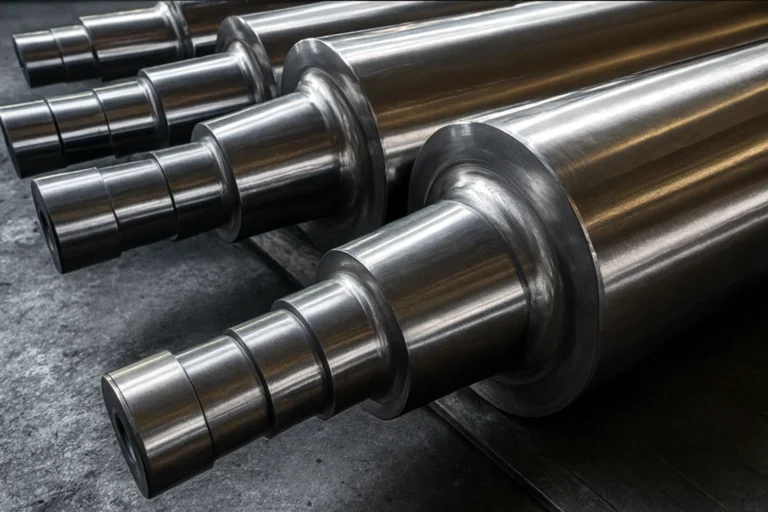
A rolling mill needs dependable roll performance throughout each production cycle. This is because unexpected changes can affect cooling and output. Chill rolls remove heat, maintain material contact and influence the finished surface. Therefore, their condition affects several stages of operation. A suitable chill roll manufacturer can provide rolls matched to the mill’s temperatures, speeds, loads and material grades.
What Role Do Chill Rolls Play in Rolling Mills?
Chill rolls draw heat from the strip as it moves through the line. Their surface condition and thermal response influence cooling uniformity and material movement. Any inconsistency may appear as surface variation, dimensional change or unstable processing. A suitable roll can support the following.
- Even contact across the working width
- Steady heat transfer during production
- Uniform cooling through repeated cycles
- Reduced risk of marks from surface damage
Why Roll Quality Matters During Continuous Production?
Many mills operate for long periods between scheduled stoppages. Rolls face pressure and repeated temperature changes during this time. A poorly finished or unsuitable roll may wear early. The specification should cover:
- Hardness suited to the operating load
- Resistance to thermal fatigue
- A working surface compatible with the material
- Accurate dimensions across the roll length
How Does a Chill Roll Manufacturer Affect Roll Performance?
Roll performance begins with manufacturing decisions. Material selection and machining influence behaviour during service. A chill roll manufacturer with controlled production stages can deliver more consistent rolls. This helps operators plan replacements.
Heat Resistance Supports Longer Operating Cycles
Chill rolls experience repeated heating and cooling. This is true when hot strip meets a roll cooled by internal coolant. This pattern creates stress within the roll body. Suitable thermal properties help the roll withstand routine cycling.
Surface Hardness Influences Service Behaviour
The working surface must resist wear from repeated contact. However, hardness alone does not determine service life. A very hard roll may fail if it lacks toughness. Good performance comes from balancing hardness with resistance to cracking and thermal stress. A balanced structure can provide the following.
- Resistance to abrasive wear
- Better protection against indentation
- Sufficient toughness for operating loads
- More stable surface behaviour over time
Internal Cooling Needs Proper Engineering
Many chill rolls contain internal passages that carry coolant through the roll body. Their position as well as size affect heat removal from the working surface. Uneven cooling can leave one section hotter than another. It creates temperature differences and extra stress. Cooling design may include:
- Passage layout suited to roll dimensions
- Adequate coolant flow through each section
- Attention to areas carrying higher thermal loads
How Reliable Rolls Reduce Unplanned Downtime?
Changing a roll requires time and preparation. The mill may need to stop, isolate equipment and reset the line. A roll that reaches its planned service period reduces these interruptions. It allows maintenance teams to follow a prepared schedule. Reliable performance can reduce –
- Emergency roll changes during production
- Extra inspection and repair work
- Lost output after premature damage
- Disruption to planned maintenance
Why Does Inspection Matter?
Testing gives the mill evidence that a roll meets its stated requirements before installation. It can reveal dimensional errors or internal flaws. A hidden defect may appear after production without these checks. Useful checks can include the following.
- Hardness and material-property testing
- Dimensional measurement across the roll
- Surface inspection and roughness checks
Importance of Maintenance
A well-made roll needs proper care. Operators should monitor surface condition as well as dimensions. Recording these observations helps identify gradual wear. It gives maintenance teams useful information before a minor issue stops production. Routine work can include the following aspects.
- Inspecting the working surface for damage
- Measuring dimensions during planned shutdowns
- Checking coolant flow
- Recording wear patterns
Reliability Affects the Consistency of Products
The roll remains in contact with the material through repeated passes. Therefore, its condition can influence every metre produced. Changes in surface temperature distribution may create variation in a batch. Note that stable roll behaviour gives operators firmer control over product quality. Consistent roll performance can support –
- More uniform surface appearance
- Steadier heat transfer
- Better dimensional control
Why Consistent Manufacturing Supports Mill Operations?
Replacement rolls should behave in a familiar way. Controlled production helps keep hardness and surface properties within the required range. This supports easier setup. It gives maintenance teams a clearer basis for comparing service results.
Consistent production can provide –
- More predictable roll behaviour
- Repeatable dimensions between batches
- Similar surface properties on replacement rolls
Cost Should Be Viewed Across the Roll’s Service Life
A low purchase price may appear attractive. However, it does not show the full operating cost. Frequent replacement and lost production can quickly outweigh an initial saving. A fair comparison should examine performance throughout the expected service period of the roll.
The Bottom Line
The operations of a rolling mill depend on components that have consistent performance. Working with an established chill roll manufacturer gives mills access to consistent quality alongside proper technical guidance. You will get rolls based on your specific demands as a manufacturer. That kind of dependability protects your output and reputation in the future.







.webp)