Sign up with Google
 Sign in with Zoho
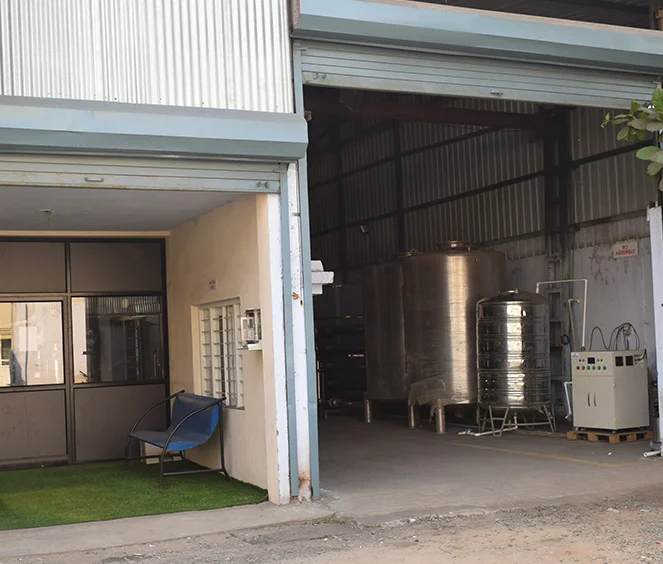
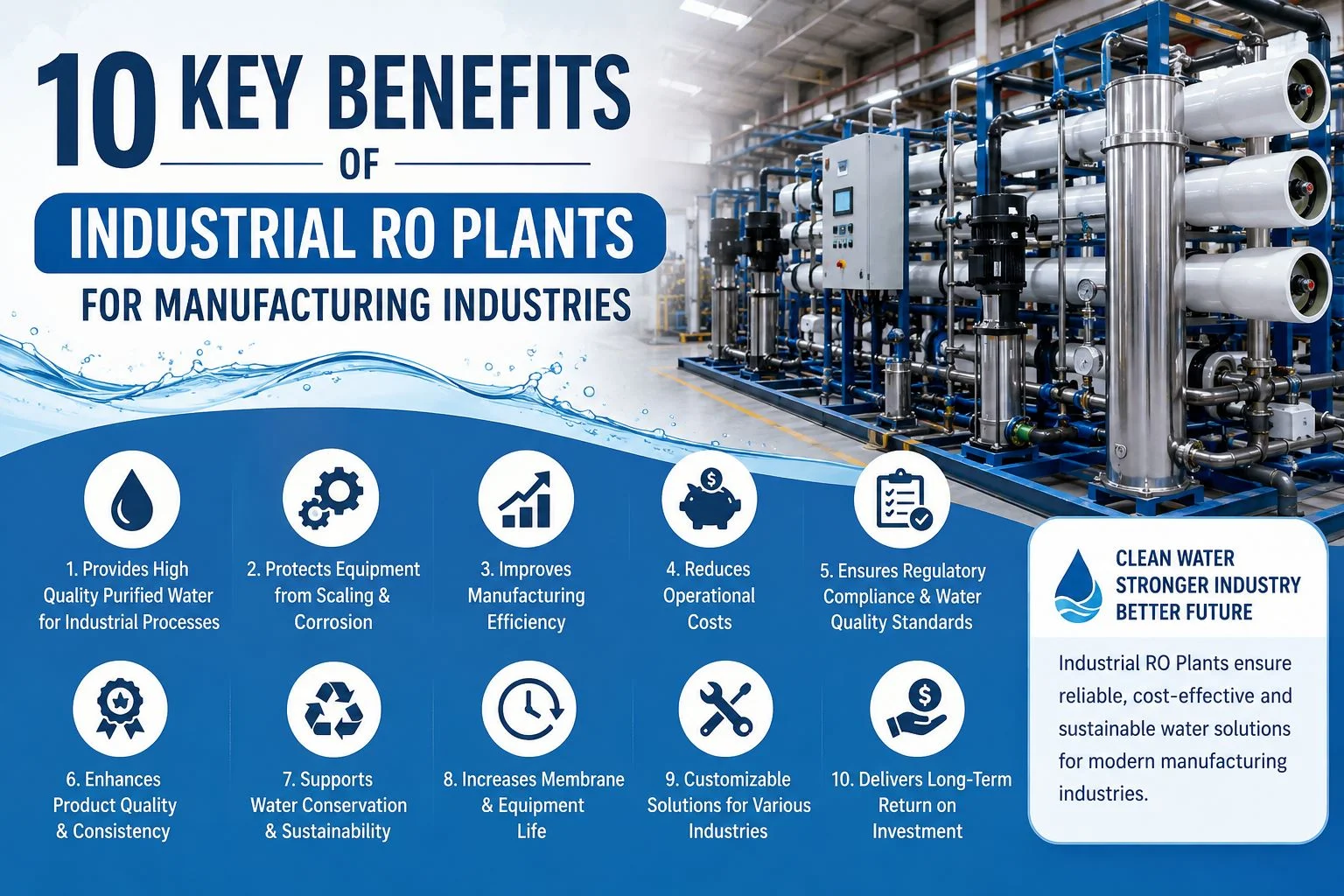
Water quality is one of those operational factors that businesses tend to overlook until it becomes a costly problem. A factory running on untreated borewell water might not notice the damage for months, but scaling inside boilers, corroded pipelines, and inconsistent product quality eventually catch up with even the most efficient operations. This is why more industries across India are investing in dedicated water treatment infrastructure rather than treating it as an afterthought.
The Real Cost of Ignoring Water Quality
Raw water, whether drawn from a borewell, river, or municipal supply, almost always carries some combination of dissolved salts, suspended particles, hardness-causing minerals, or microbial contamination. Left untreated, this water can:
- Cause scale buildup in boilers and cooling towers, reducing thermal efficiency
- Corrode pipelines and process equipment over time
- Introduce inconsistency into products that depend on water purity, such as pharmaceuticals, beverages, and food items
- Increase unplanned downtime and maintenance costs
None of these issues show up overnight. That’s exactly what makes them dangerous — by the time a plant manager notices reduced output or rising repair bills, the underlying water quality problem has often been damaging equipment for a while.
Matching the Technology to the Problem
There’s no universal fix for water quality issues, because no two facilities have identical water sources or production needs. A hospital requiring ultra-pure water for dialysis has entirely different requirements than a textile unit dealing with high water consumption, or a coastal facility that needs to convert seawater into usable freshwater.
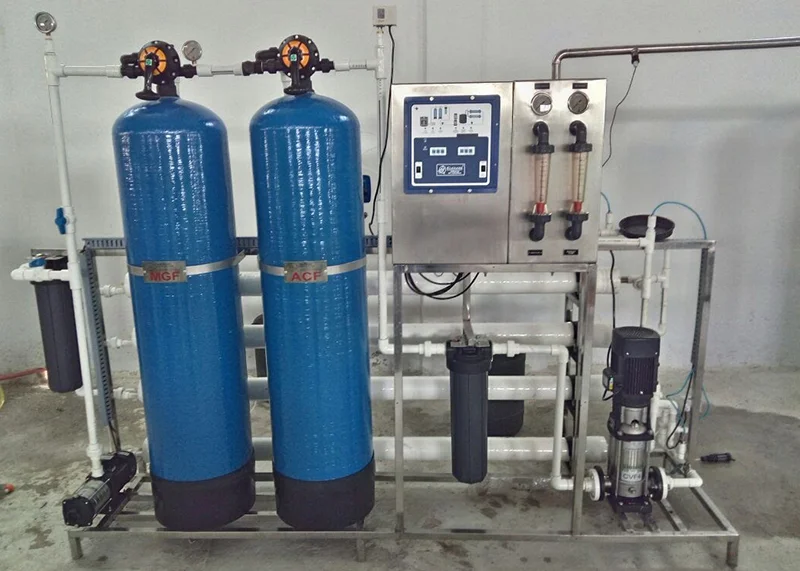
Broadly, most industrial setups rely on some combination of:
- Filtration to remove suspended solids and turbidity before anything else happens
- Reverse Osmosis (RO) to strip out dissolved salts and high TDS
- Ultra Filtration (UF) for removing bacteria and colloidal particles without stripping useful minerals
- Water softening to eliminate calcium and magnesium hardness
- Disinfection, typically UV or ozone-based, to handle microbiological safety
The right combination depends on a proper water analysis — checking TDS, hardness, iron, silica, turbidity, and pH — rather than guesswork. For a deeper breakdown of how these systems are typically configured for different applications, Unitech Water Solutions’ overview of water treatment plants is a useful reference, covering everything from industrial RO systems to sewage treatment and containerized units for remote sites.
Turnkey vs. Piecemeal Implementation
One mistake businesses often make is sourcing water treatment components from multiple vendors — filtration from one supplier, RO membranes from another, installation from a third-party contractor. This fragmented approach tends to create accountability gaps when something goes wrong.
A turnkey approach, where a single manufacturer handles water analysis, system design, manufacturing, installation, commissioning, and after-sales support, tends to produce more reliable long-term results. It also simplifies troubleshooting, since there’s one point of contact rather than a chain of vendors pointing fingers at each other.
What to Evaluate Before Investing
Before committing to a system, it’s worth walking through a few practical questions:
- What’s the water source? Borewell, municipal, river, or process water each bring different contaminant profiles.
- What’s the daily consumption? Undersized systems get overworked; oversized ones waste capital.
- Is future expansion likely? Scalable designs save on retrofit costs later.
- What are the regulatory requirements for the industry? Pharma and food processing, for instance, have stricter compliance standards than general manufacturing.
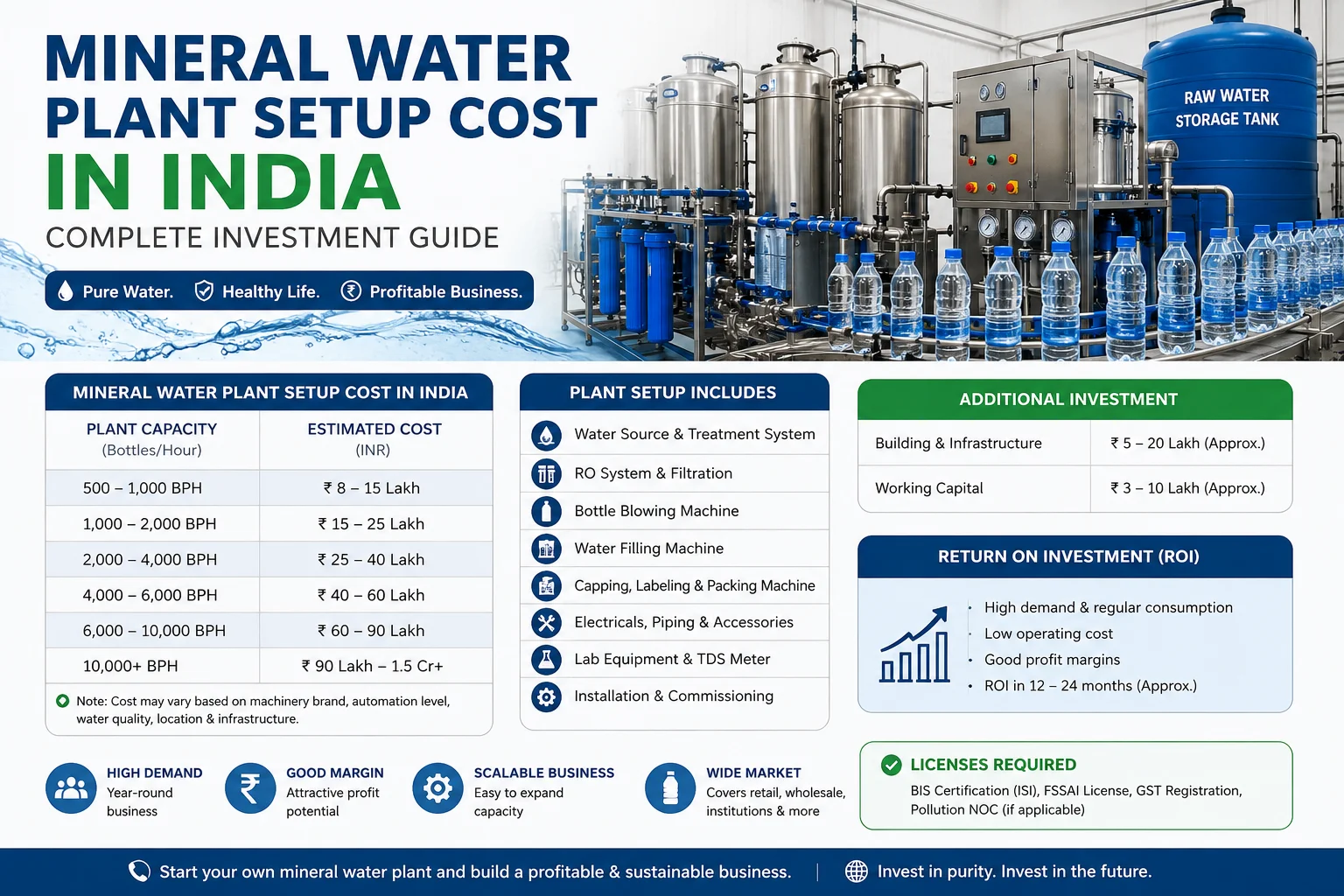
- What’s the total cost of ownership, not just the upfront price? Operating and maintenance costs often outweigh the initial investment over a system’s lifetime.
Closing Thought
Water treatment isn’t just a compliance checkbox — it’s infrastructure that directly affects equipment lifespan, product consistency, and operating costs. Businesses that treat it as a strategic investment rather than a reactive fix tend to see fewer disruptions and lower long-term expenses. Getting a proper water analysis done early, and working with a manufacturer who can tailor the system rather than sell a one-size-fits-all package, makes a measurable difference over the years.
Water treatment isn’t just a compliance checkbox — it’s infrastructure that directly affects equipment lifespan, product consistency, and operating costs. Businesses that treat it as a strategic investment rather than a reactive fix tend to see fewer disruptions and lower long-term expenses. Getting a proper water analysis done early, and working with a manufacturer who can tailor the system rather than sell a one-size-fits-all package, makes a measurable difference over the years.