Sign up with Google
 Sign in with Zoho
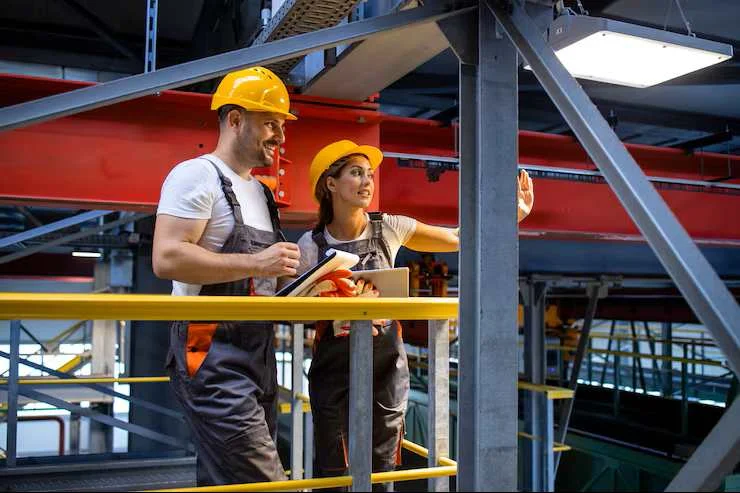
Working at height is part of many everyday workplace activities, from construction and maintenance to warehouse operations and equipment installation. Although some tasks may appear routine, working above ground level can introduce serious risks when access equipment, working areas or procedures are not properly considered.
Working at height training helps employees understand these risks and develop a more careful approach to elevated work. Rather than focusing only on how to use equipment, effective training helps workers recognise hazards, plan tasks, select appropriate equipment, and understand the precautions required before work begins.
Why Is Working At Height A Workplace Concern?
Falls from height can result in serious injuries, and the risk is not limited to high-rise construction. A fall from a relatively low platform, ladder or working surface can still cause significant harm. Work-at-height risks may come from several sources, including:
- Unprotected edges
- Fragile or unsuitable surfaces
- Poorly positioned ladders
- Unsafe access equipment
- Openings or gaps
- Falling objects
- Poor housekeeping
- Changing weather conditions
- Inadequate planning
The surrounding environment also matters. A busy workplace, uneven ground or restricted access can make an otherwise straightforward task more difficult. Recognising these factors before work begins allows employees and supervisors to consider whether the task can be carried out differently or whether additional controls are needed.
What Does Working At Height Training Cover?
A suitable course should give employees practical knowledge they can apply to their actual work. Working at heights safety training can cover the principles of preventing falls and working safely when elevated tasks cannot be avoided. Depending on the course, subjects may include:
- Common work-at-height hazards
- Planning and organising work
- Selecting suitable access equipment
- Safe use of ladders
- Working platforms and access systems
- Preventing falls from edges and openings
- Inspecting equipment before use
- Identifying unsafe conditions
- Suitable control measures
- Emergency and rescue considerations
How Should Work At Height Be Planned?
Planning should happen before employees climb a ladder, access a platform or begin work at an elevated location. Consider the task, work area, equipment, and surrounding conditions. The first question should be whether work at height can reasonably be avoided. If the task can be completed from ground level, an alternative method may remove the fall risk altogether.
Where work at height cannot be avoided, employers and employees should consider how to prevent falls or reduce the consequences of a fall. This may involve suitable access equipment, edge protection or other control measures appropriate to the task. Workers should also understand when conditions have changed enough that the task requires further review.
Choosing The Right Equipment
Selecting suitable equipment is an important part of working at height. A ladder may suit certain short-duration activities, but it may not suit every task. Depending on the work involved, other equipment may include scaffolding, towers, mobile access equipment, platforms or suitable fall-protection systems.
The choice should consider the task, height, duration, location, and working conditions. Use equipment in accordance with relevant instructions and workplace procedures. Before use, employees should know how to identify obvious damage, defects or other conditions that could make equipment unsafe. Do not use equipment that appears unsuitable just because it is readily available.
What Is Working At Heights Safety Training?
Working at heights safety training helps workers understand the hazards of elevated work and the practical steps to manage them. One important principle is that workers should not automatically use the same access method for every task. The safest option can change depending on the location, duration and nature of the work. Training can encourage employees to consider questions such as:
- Can the task be completed from ground level?
- What access equipment is appropriate?
- Is the equipment suitable for the working environment?
- Are there exposed edges or openings?
- Could objects fall onto people below?
- Have weather or site conditions changed?
- Are additional precautions required?
Why Is A Working At Height Certificate Useful?
A working at height certificate can provide a record that an employee has completed relevant training. For employers, training documentation supports record-keeping and helps review employee competence and development. However, a certificate should not replace workplace planning or risk controls. Completing a course does not make every work-at-height activity automatically safe.
Employees still need appropriate equipment, instructions, supervision and workplace arrangements. The training record demonstrates that learning has taken place, while safe working depends on how that knowledge is applied. Businesses should also consider whether workers need additional training when they are expected to use specific equipment or undertake different types of elevated work.
Who Can Benefit From Working At Height Training?
Work-at-height knowledge can be relevant to employees in numerous sectors. It is particularly important for workers who regularly access elevated areas or carry out tasks where a fall could occur. This may include people working in:
- Construction
- Property maintenance
- Roofing
- Warehousing
- Manufacturing
- Engineering
- Facilities management
- Installation and repair
- Industrial environments
When Should Training Be Refreshed?
Training requirements can change when an employee's role, equipment or working environment changes. New workers may need suitable instruction before carrying out relevant activities, while existing employees may require further training when their responsibilities expand. Refresher training may also be considered when unsafe practices are identified, an incident or near miss raises concerns, or workers have not carried out particular tasks for an extended period.
A working at height certificate provides a useful record of completed training, but businesses should continue reviewing whether employees have the knowledge and practical ability required for their current responsibilities.
Building Safer Working Practices
Training should form part of a wider approach to managing work-at-height risks. Employees need to understand not only what the hazards are but also how workplace arrangements can affect those risks. Good housekeeping, clear access routes, appropriate equipment checks and effective communication can all contribute to safer working conditions.
Workers should also be encouraged to report damaged equipment, unsafe access arrangements, and changing conditions rather than continuing a task simply because it has been done the same way before. A practical approach helps turn training knowledge into everyday working habits.
Choosing The Right Training Provider
When selecting a provider, businesses should consider whether the course matches the work their employees actually do. Training should provide practical information that learners can understand and apply. For organisations looking for working at height training, selecting a course that reflects the hazards and activities employees encounter can make the learning more relevant and useful.
Final Thoughts
Working at height requires more than simply having access to a ladder or platform. Consider tasks carefully, select suitable equipment, and put appropriate precautions in place before employees begin work. Working at height training helps employees recognise common hazards, understand safer approaches, and make more informed decisions when carrying out elevated tasks.
Whether the work involves construction, maintenance, warehousing, installation or another activity, effective preparation remains an important part of managing work-at-height risks. Train in Health & Safety Ltd can help businesses find suitable training options for employees who work at height. Get in touch to discuss your requirements and find suitable training for your workplace.

.webp)