Sign up with Google
 Sign in with Zoho

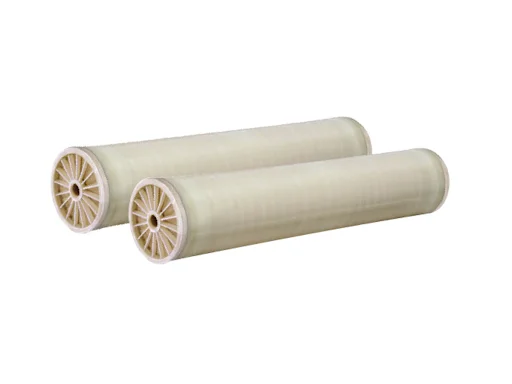
A bag filter housing sits at the heart of a lot of industrial liquid systems and most people barely notice it until something goes wrong. Dirty fluid slows everything down. Pumps work harder. Downstream equipment wears out faster. Product quality takes a hit. A properly selected bag filter housing cuts that noise and keeps the process running cleaner and longer. This is how it actually improves filtration efficiency in real plants, not in a brochure.

What a Bag Filter Housing Actually Does
Unfiltered liquid comes in the inlet, hits the filter bag inside the housing, and clean fluid leaves through the outlet. Contaminants stay trapped in the bag. Sounds simple. The efficiency comes from the design details. A good bag filter housing creates a tight seal so nothing bypasses the bag. It supports the bag so it doesn’t collapse under pressure. And it lets you change bags fast without making a mess or shutting the whole line down for hours.
Single bag units handle lower flows. Multi-bag housings take higher volumes by putting several bags in parallel. Duplex setups let you switch from one housing to another without stopping production. That continuous operation is a big part of the efficiency gain. You’re not sitting around waiting for a change-out.
Why Flow and Dirt Holding Matter
Bag filter housings are built for high flow with relatively low pressure drop when the bag is clean. Size them right and the fluid moves through without fighting the system. Undersize the housing and bags load up fast, pressure climbs, and energy costs jump. Oversize and you waste money on steel you didn’t need. The sweet spot keeps differential pressure low longer, which means fewer bag changes and steadier flow.
Dirt-holding capacity is another quiet efficiency booster. Bags can swallow a lot of solids before the pressure drop gets too high. That stretches the time between change-outs. In high-solids applications like coatings, wastewater, or chemical intermediates, that difference shows up on the maintenance schedule and the labor budget.
PTFE Filter Options Inside the Housing
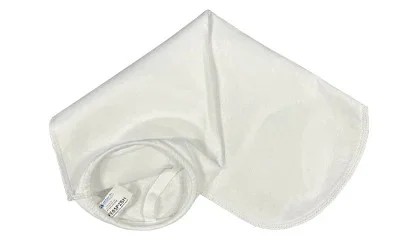
Not every fluid plays nice with standard polypropylene or polyester bags. That’s where a PTFE filter comes in. PTFE filter bags handle aggressive chemicals, strong acids, solvents, and higher temperatures that would wreck ordinary media. They resist fouling better too. Particles don’t stick as hard to the surface, so the bag often lasts longer and cleans up easier when you do change it.
A bag filter housing paired with a PTFE filter gives you chemical resistance without having to jump to more expensive cartridge systems. You still get the high dirt capacity and easy disposal of a bag, just with media that survives the harsh stuff. In chemical plants, metal finishing, and some pharmaceutical processes, that combination keeps the filtration efficient where cheaper bags would fail early.
Materials and Construction That Hold Up
Most industrial bag filter housings are stainless steel—304 for general duty, 316L when chlorides or tougher chemicals are present. Plastic housings in polypropylene or PVDF show up when the fluid would attack metal. The housing itself has to stay sound under pressure and temperature so the filtration performance stays consistent.
Look at the sealing system. Side-entry designs often use a hold-down device. Top-entry styles seal the bag ring directly against the lid. Either way, the goal is zero bypass. Any leak around the bag ruins the efficiency numbers. Good housings also have perforated support baskets that keep the bag from ballooning or tearin
Real-World Efficiency Gains
In water treatment and process water loops, a bag filter housing protects finer filters or membranes downstream. Catching the bulk solids early means the expensive stages last longer. In paint and coatings plants, consistent particle removal keeps color and texture steady. Food and beverage lines use sanitary versions to meet hygiene rules while still moving product at production speeds.
Chemical processing is where the PTFE filter option often earns its keep. Aggressive fluids that would degrade polyester bags keep flowing through PTFE media without the frequent failures. That cuts unplanned downtime. Maintenance crews spend less time reacting and more time on scheduled work. The housing itself stays online longer because the bags aren’t failing and dumping debris into the system.
Sizing and Selection Reality
People sometimes pick a housing based on the biggest number they see on a catalog page. That rarely works. Start with the actual flow rate, viscosity, temperature, and the size of particles you need to remove. Then match the bag size and micron rating. A #2 bag handles more flow than a #1. Multi-bag units spread the load so each bag sees less stress.
Pressure drop tells the story once the system is running. Clean bags start low. As dirt builds, the differential rises. Change the bag before the bypass valve opens or the pump starts working against a plugged filter. Some plants track differential pressure and change on a set number rather than waiting for problems. That keeps efficiency steady instead of letting it drop off a cliff.
Maintenance and Operating Costs
Bag changes are straightforward. Open the cover, lift out the dirty bag, drop in a new one, close it up. No special tools in most cases. Compare that to some cartridge systems that need more time and create more waste volume. The bags themselves hold a lot of solids, so disposal frequency stays reasonable.
When you use a PTFE filter in the right applications, bag life often stretches further because the media doesn’t break down or load unevenly. That lower change-out rate is real money. Energy costs stay lower too because the system isn’t fighting high differential pressure for long stretches.
Common Mistakes That Kill Efficiency
Wrong micron rating is a frequent one. Too fine and the bag blinds early. Too coarse and the downstream equipment still sees the particles you meant to stop. Poor sealing is another. If the bag ring doesn’t seat right, fluid sneaks around and the housing is just a fancy pipe. Using a standard bag in a high-temperature or aggressive chemical service when a PTFE filter is needed shortens everything’s life.
Ignoring the support basket condition also causes trouble. A bent or corroded basket lets the bag flex too much and can create channels where fluid bypasses the media. Small details, big impact on how well the bag filter housing actually performs.
Conclusion
A bag filter housing improves industrial filtration efficiency by keeping flow steady, holding more dirt, sealing properly, and making change-outs fast. Pair it with the right bag—including a PTFE filter when the chemistry or temperature demands it—and the system protects equipment, holds product quality, and cuts the time and cost of fighting dirty fluid. It’s not flashy equipment. It just does its job quietly and keeps the rest of the plant from having a bad day. Get the size, material, and bag choice right and the efficiency gains show up in fewer stoppages and lower operating costs over time.
FAQ
What flow rates can a bag filter housing handle?
Single bag units typically cover lower flows, often up to around 100 GPM depending on bag size and fluid. Multi-bag housings scale much higher, sometimes past 1000 GPM when sized correctly for the application.
When should I use a PTFE filter in a bag filter housing?
Use a PTFE filter when the fluid is chemically aggressive, high temperature, or when standard polypropylene or polyester bags fail early. PTFE handles strong acids, solvents, and temperatures that wreck ordinary media.
How often do bags need changing?
It depends on dirt load and the micron rating. Watch differential pressure. Many operations change bags when the pressure rise hits a set point rather than waiting for a fixed schedule. High solids streams need more frequent changes.
Can one bag filter housing work for different fluids?
The housing itself is often flexible if the material is compatible, but the bag has to match the fluid chemistry and temperature. Switching between mild water-based fluids and aggressive solvents usually means changing to a PTFE filter or other suitable media.