Sign up with Google
 Sign in with Zoho

How Integrated PCB and Software Development Reduces Product Complexity
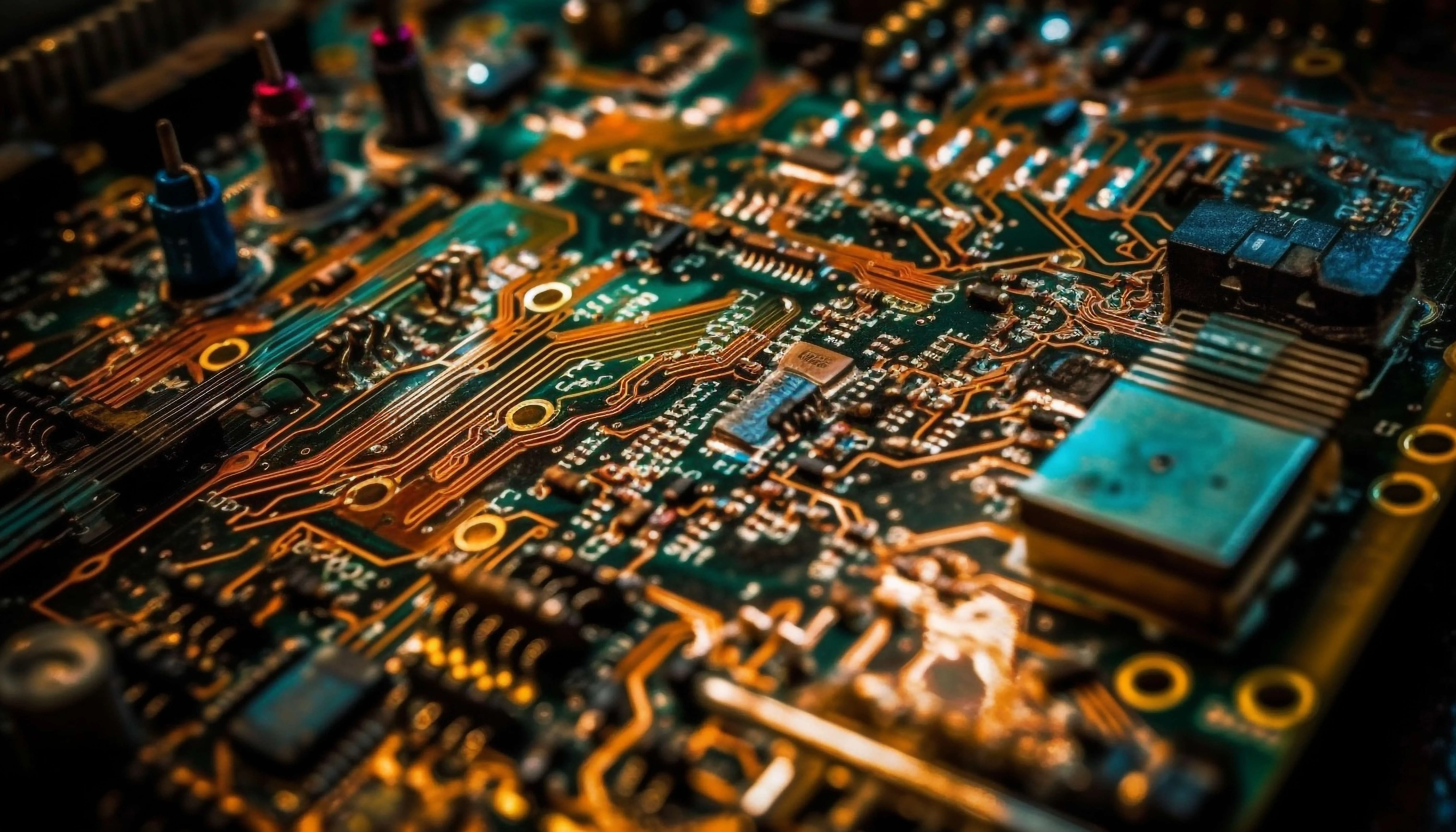
Developing a smart electronic product can become complicated when hardware and software are treated as completely separate projects. A PCB may be designed first, while software development begins later, creating unexpected compatibility issues. Integrated PCB and software development takes a more connected approach, helping teams design the electronics and software around the same product requirements from the beginning.
1. One Product Vision, Not Separate Projects
A smart device needs its hardware and software to support the same goals. When PCB designers and software developers work with a shared system plan, important requirements can be discussed early.
For example, the software team can identify processing, memory, or communication needs before final hardware decisions are made. At the same time, hardware designers can provide details about component capabilities and limitations.
This reduces the risk of discovering major mismatches after development is already underway.
2. Fewer Integration Surprises
Many product problems appear when individually working parts are connected for the first time. A communication module may behave differently with the selected software, or a hardware limitation may prevent a planned feature from performing as expected.
Early collaboration allows teams to test assumptions throughout development rather than waiting until the end. Potential issues can be identified while design changes are still easier to manage.
3. Better Decisions About Components
Component selection affects both hardware and software. A processor must provide enough performance for the required functions, memory must support the software, and communication modules must work with the intended protocols.
An integrated development approach helps evaluate these dependencies together. This can prevent overcomplicated architectures and reduce the need for unnecessary components.
4. Faster Testing and Debugging
When hardware and software teams share information, debugging can become more focused. Instead of treating every problem as either a hardware or software issue, teams can investigate how the complete system behaves.
Testing can examine:
- Sensor communication
- Data flow
- Timing behavior
- Power performance
- Device responses
- Connectivity
This system-level view can make it easier to identify where problems originate.
5. A More Manageable Development Process
Product complexity often increases when information is disconnected. Different teams may use separate specifications, make independent changes, or discover dependencies too late.
Integrated development encourages closer coordination between PCB design, embedded software, testing, and product requirements. This creates a clearer development path and reduces unnecessary back-and-forth between teams.
6. A Stronger Path to Production
The benefits continue beyond the prototype. When hardware and software are developed as one system, production testing, documentation, updates, and future improvements can be planned more effectively.
This helps businesses move toward manufacturing with a better understanding of how the complete product should behave.
Conclusion
Integrated PCB and software development reduces complexity by replacing disconnected work with coordinated product engineering. When hardware and software decisions are made together, teams can identify dependencies earlier, simplify system architecture, improve testing, and reduce late-stage surprises.
Texawave helps businesses develop complete electronic products through PCB design, embedded software development, hardware-software integration, IoT, and product engineering expertise. Learn more at www.texawave.com.