Sign up with Google
 Sign in with Zoho
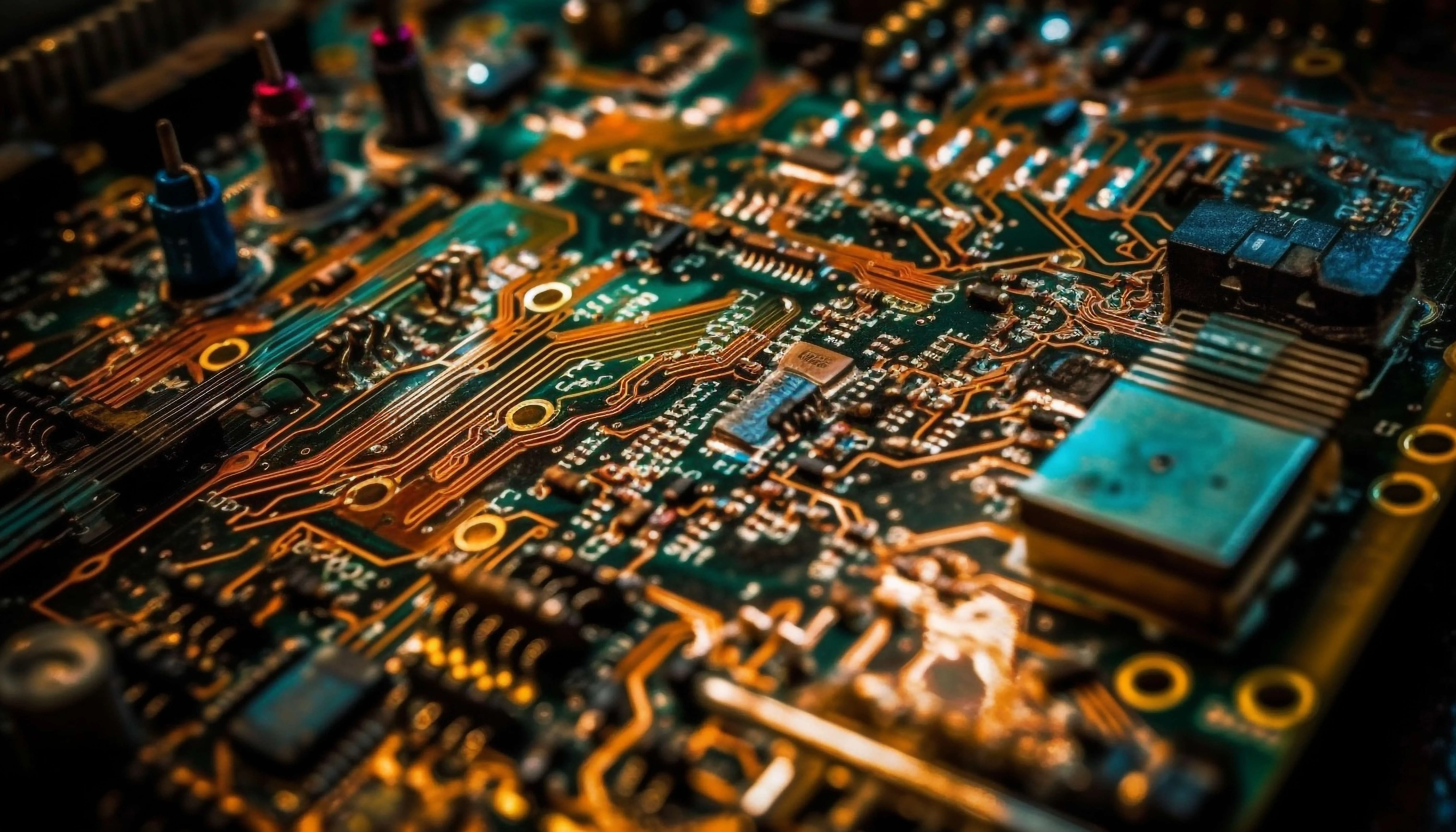
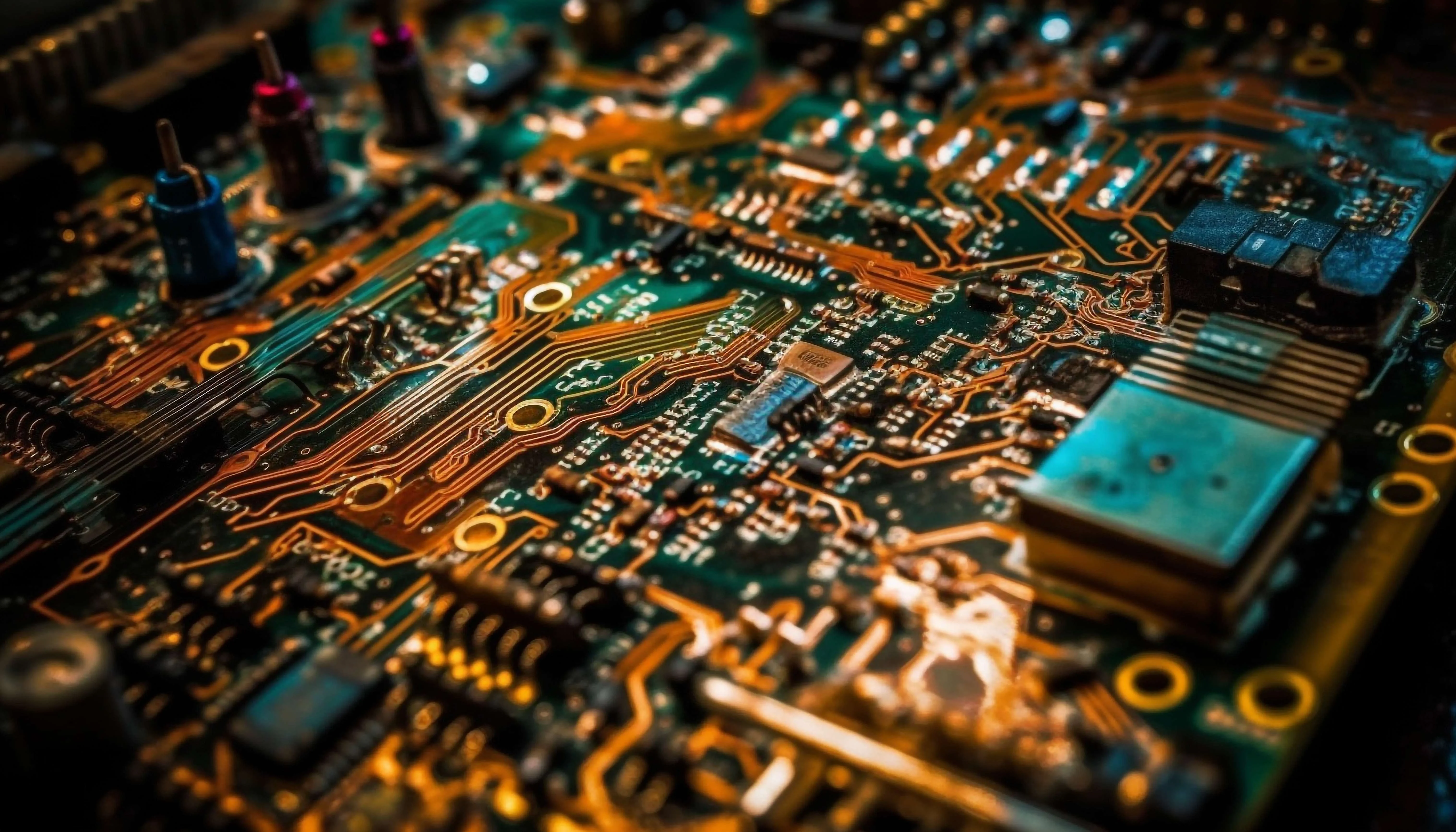
Developing a successful electronic product involves much more than creating a functional circuit. It requires thoughtful engineering, careful planning, and continuous validation throughout the design process. Designing electronic hardware is about solving engineering problems before they become manufacturing problems. Every decision—from selecting components and designing the circuit to optimizing the PCB layout—has a direct impact on product performance, reliability, production efficiency, and long-term durability.
As electronic devices become smaller, faster, and more intelligent, engineers face increasing pressure to deliver designs that are not only technically sound but also cost-effective and easy to manufacture. Identifying potential challenges early allows development teams to minimize risks, reduce redesign cycles, and deliver production-ready products with greater confidence.
1. Component Selection and Lifecycle Management
One of the first challenges in Hardware & PCB Design is choosing the right electronic components. Selecting parts based solely on cost or availability can create problems later if components become obsolete or fail to meet performance expectations.
A successful design balances functionality, reliability, cost, and long-term availability. Engineers also evaluate component certifications, operating temperatures, and supplier support to reduce future sourcing risks.
How to overcome it:
- Select components from trusted manufacturers.
- Consider lifecycle and supply chain availability.
- Identify qualified alternative components during the design stage.
- Verify compatibility with the overall hardware architecture.
2. Signal Integrity and Electromagnetic Interference (EMI)
As communication speeds continue to increase, maintaining clean electrical signals becomes more challenging. Improper PCB routing, excessive trace lengths, or poor grounding can introduce noise, signal distortion, and electromagnetic interference.
These issues may cause communication failures, unstable operation, or reduced product performance.
How to overcome it:
- Keep high-speed traces short and direct.
- Separate analog and digital signal paths.
- Use continuous ground planes.
- Follow controlled impedance routing where required.
- Perform signal integrity analysis during design verification.
3. Thermal Management
Every electronic component generates heat. If this heat is not managed effectively, system reliability can decrease, leading to reduced product lifespan or unexpected failures.
Compact electronic products are particularly vulnerable because limited board space restricts airflow and heat dissipation.
How to overcome it:
- Position heat-generating components strategically.
- Use thermal vias and copper planes.
- Incorporate heat sinks or cooling solutions when required.
- Validate thermal performance during prototype testing.
4. Power Distribution Challenges
A stable power supply is essential for every embedded system. Voltage fluctuations, excessive noise, or poor power routing can affect processors, sensors, memory devices, and communication modules.
Power integrity becomes even more important in battery-operated and high-speed electronic products.
How to overcome it:
- Design clean power distribution networks.
- Use proper decoupling and bypass capacitors.
- Separate analog and digital power domains where necessary.
- Verify voltage stability under different operating conditions.
5. PCB Layout Optimization
A PCB layout is more than placing components and connecting tracks. Component placement directly influences signal quality, manufacturability, serviceability, and thermal performance.
Poor layouts often increase production costs and make future maintenance more difficult.
How to overcome it:
- Group related components logically.
- Minimize unnecessary routing complexity.
- Keep critical signals away from noise sources.
- Design layouts that simplify assembly and inspection.
6. Designing for Manufacturing (DFM)
Many PCBs work well during laboratory testing but create difficulties during production because manufacturing requirements were overlooked during design.
A production-ready PCB should be simple to fabricate, assemble, inspect, and test without compromising performance.
How to overcome it:
- Apply Design for Manufacturing (DFM) guidelines.
- Maintain appropriate spacing between components.
- Standardize footprints wherever possible.
- Prepare complete manufacturing documentation before release.
7. Prototype Validation and Testing
Skipping detailed validation is one of the most expensive mistakes in electronic product development. Issues discovered after production often require PCB redesign, component replacement, or firmware modifications.
Testing prototypes under realistic operating conditions helps uncover hidden design weaknesses before mass production.
How to overcome it:
- Conduct schematic and PCB design reviews.
- Perform electrical, functional, and thermal testing.
- Validate communication interfaces and power stability.
- Refine the design before production approval.
Building Reliable Electronic Products
Overcoming these engineering challenges requires collaboration between hardware engineers, PCB designers, firmware developers, and manufacturing teams. When every stage of development is carefully planned and validated, businesses can reduce engineering risks, improve product reliability, and shorten the path from concept to production.
Rather than treating Hardware & PCB Design as a series of isolated tasks, successful organizations view it as an integrated engineering process where every design decision contributes to the quality of the final product.
Why Choose Texawave?
Texawave provides end-to-end Hardware & PCB Design services that help businesses develop reliable, production-ready electronic products. From system architecture and circuit design to PCB layout, prototype validation, and manufacturing support, Texawave delivers engineering solutions focused on performance, quality, and scalability. By combining technical expertise with industry best practices, Texawave helps businesses accelerate product development while reducing engineering and manufacturing risks.
Learn more at https://www.texawave.com/.
Frequently Asked Questions (FAQs)
1. What is the biggest challenge in Hardware & PCB Design?
Maintaining the right balance between electrical performance, manufacturability, reliability, thermal management, and cost is one of the biggest challenges in modern Hardware & PCB Design.
2. Why is PCB layout important?
PCB layout directly affects signal integrity, power distribution, thermal performance, electromagnetic compatibility, and manufacturing efficiency, making it one of the most critical stages of product development.
3. How does prototype validation improve product quality?
Prototype validation identifies electrical, thermal, and functional issues before production begins, reducing redesign costs and improving product reliability.
4. How can Texawave help with Hardware & PCB Design?
Texawave offers complete Hardware & PCB Design services, including circuit design, PCB layout, engineering validation, prototype development, and manufacturing support, helping businesses transform innovative ideas into production-ready electronic products.