Sign up with Google
 Sign in with Zoho

Key takeaways
- A synthetic audience is an AI-generated group of consumers. A digital twin is a data-driven model of one customer, a system or a customer journey.
- Use a synthetic audience to test new campaigns with groups of potential consumers. Use a digital twin to model existing customer journeys and churn scenarios.
- You can test ad concepts, campaign messages, pricing, promotions and video creatives with AI personas before you spend on a full launch.
- AI summaries, sentiment analysis, excerpts, taxonomies and highlight reels turn synthetic responses into insights your team can act on.
- Treat synthetic results as an early signal, not a replacement for real consumers. Validate the key findings before you launch.
Picture this. Your marketing team has spent weeks on a new campaign. The visuals look great, the messaging has been reviewed, and everyone has signed off on the offer. It all feels ready. Then the campaign goes live and the response is underwhelming. Some people scroll straight past the ad. Others click but never buy. A few read the product message in a way the brand never meant.
That gap between what teams expect and how consumers actually react is a familiar problem for marketers. Traditional research such as surveys, focus groups and interviews helps you understand what people want. But collecting feedback, analysing it and making changes takes time, especially when you need to compare several campaign ideas before launch.
Synthetic audiences and digital twins offer another way in. By combining artificial intelligence (AI) with synthetic data, businesses can simulate how consumers might react, try out different marketing messages and test campaign concepts before committing to a full-scale launch.
What Is a Synthetic Audience in Marketing?
A synthetic audience is an AI-generated version of a consumer group, built to reflect specific characteristics, preferences, behaviours and buying patterns. Instead of relying on real participants for every early-stage check, marketers can use synthetic users to see how different audience segments might respond to a product, an ad or a campaign message.
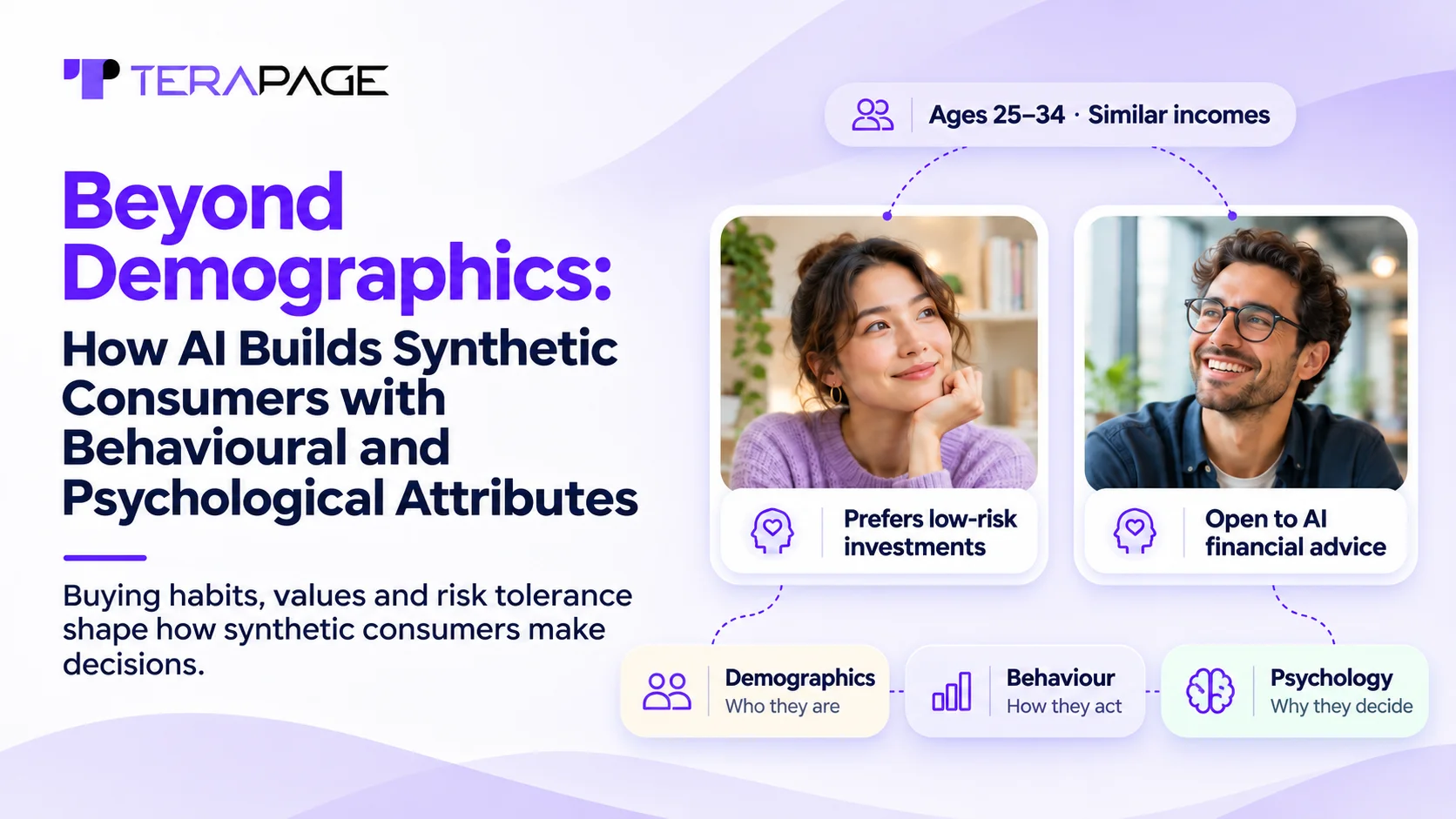
These audiences are built from synthetic data, demographic information, behavioural patterns, market research findings and other relevant attributes. Depending on what you need to learn, a synthetic audience could stand in for first-time buyers, environmentally conscious shoppers, working parents, university students or customers who like premium products.
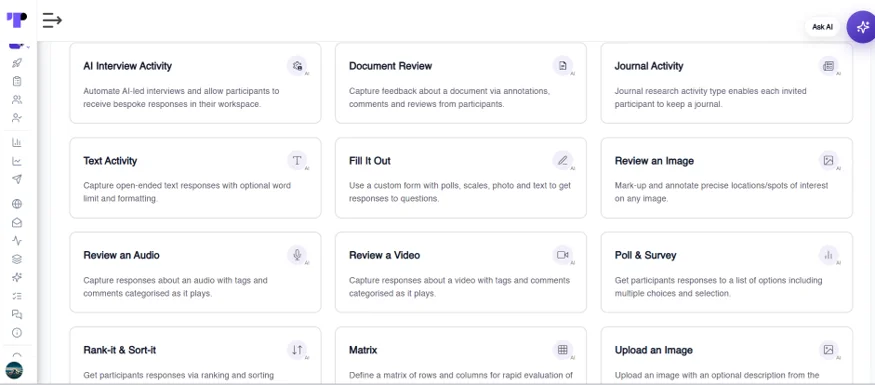
Figure 1: Terapage offers multiple research activities for synthetic data research. Businesses can gather and evaluate AI-generated participant responses through surveys, polls, interviews, journals, and image or video reviews.
What Is a Digital Twin in Marketing?
A digital twin takes simulation a step further. The idea started in engineering, manufacturing and industrial operations, where a digital twin is a virtual copy of a real-world object, system or process. It uses data to show how its real-world counterpart behaves in different conditions.
In marketing, a digital twin of a customer could draw on their purchase history, product interactions, preferences and responses to earlier marketing. That lets a business explore how a change in strategy might affect different stages of the customer journey.
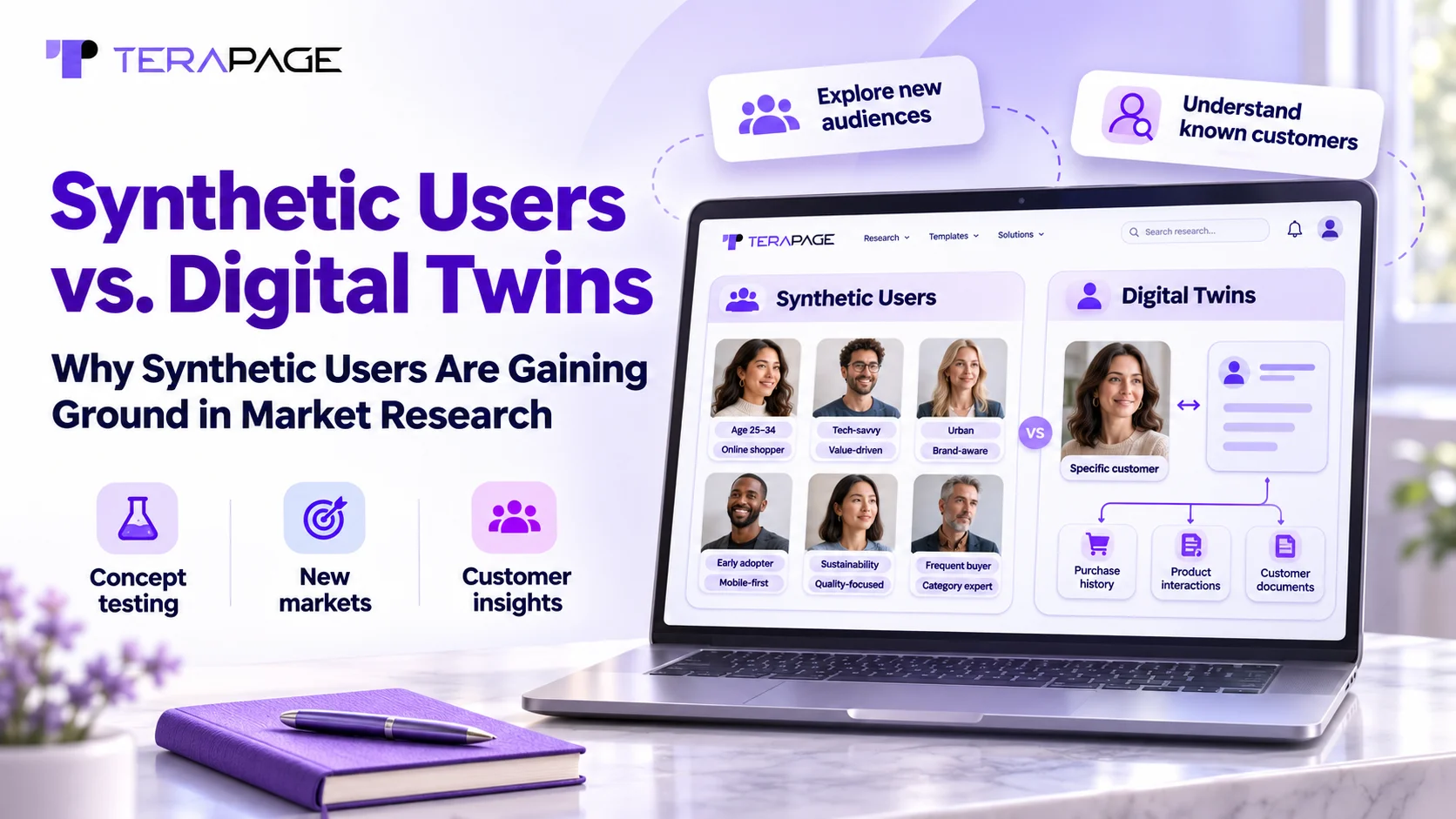
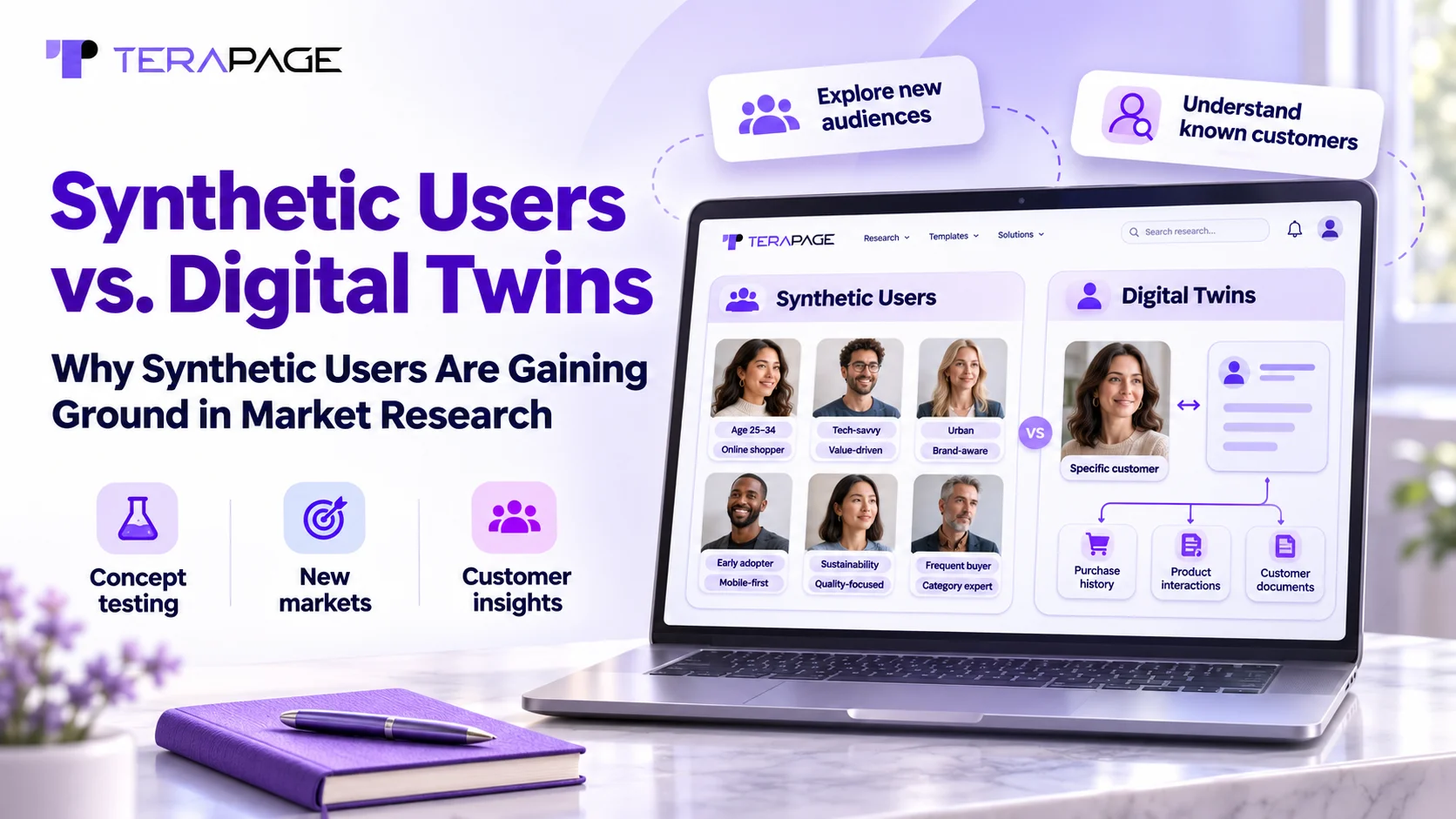
Important: The two ideas are closely related, but they do different jobs. A synthetic audience usually represents a group of potential consumers for research and testing. A digital twin models an individual, a system or a customer journey. Both can help you make better-informed marketing decisions.
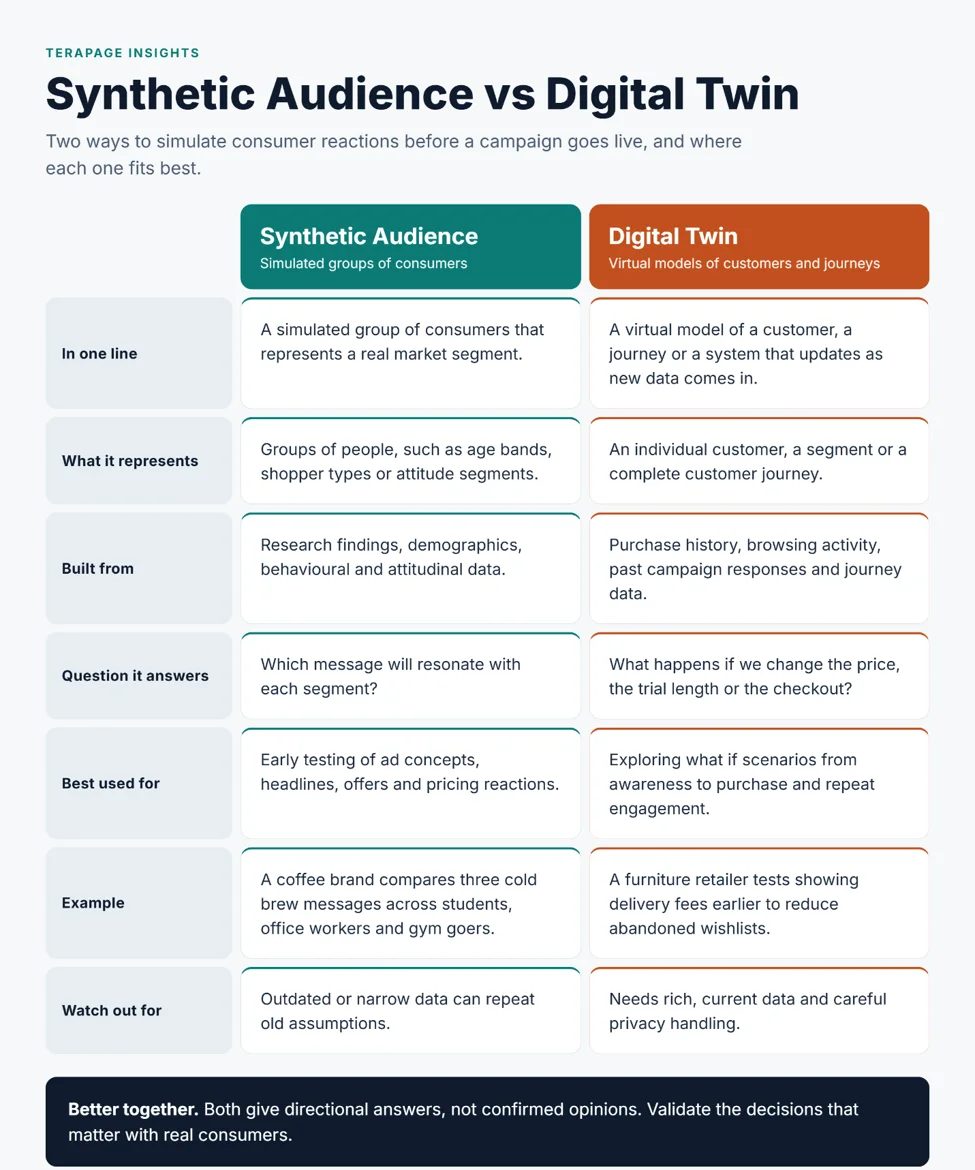
Figure 2: Synthetic data vs. digital twin: understanding the key differences in how they represent consumers, model behaviour, and support marketing research.
How Can Businesses Simulate Consumer Reactions Before Campaign Launch?
A synthetic audience becomes much easier to appreciate once you apply it to real marketing decisions. Instead of guessing what consumers might like, your team can explore different possibilities and spot the areas worth a closer look.
1. Testing Advertising Concepts and Campaign Messages
The same ad can say different things to different people. A message that appeals to younger consumers may fall flat with older customers. A campaign built around affordability may do less for shoppers who care more about quality and exclusivity.
A synthetic audience lets your team test several advertising concepts against different consumer profiles. Say a sportswear brand is launching a new collection. It could develop three campaign concepts:
- Performance-focused: Highlights comfort, durability and athletic performance.
- Lifestyle-focused: Links the collection to everyday activities and personal style.
- Sustainability-focused: Puts recycled materials and responsible production first.
Running these past a synthetic audience gives the team a chance to rethink their messaging before they spend money on production and distribution.
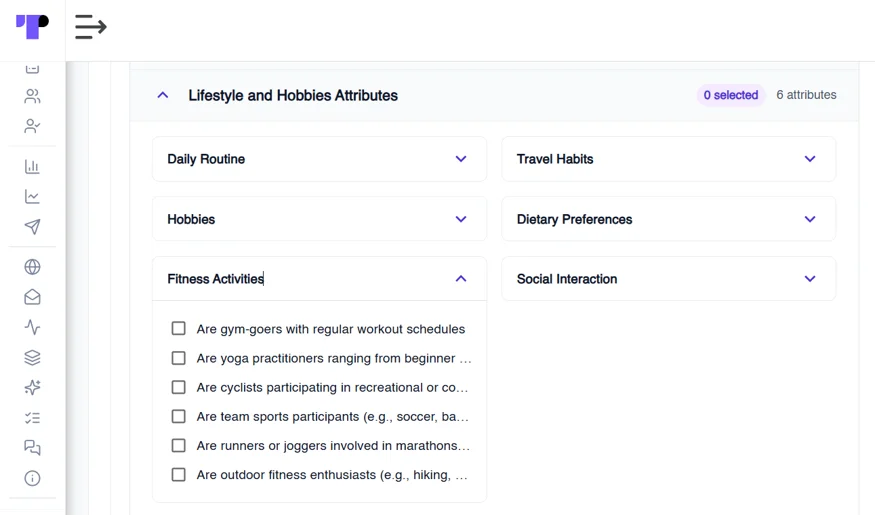
Figure 3: A researcher adding fitness-related attributes while creating synthetic users in Terapage, to simulate different consumer profiles for sportswear campaign testing.
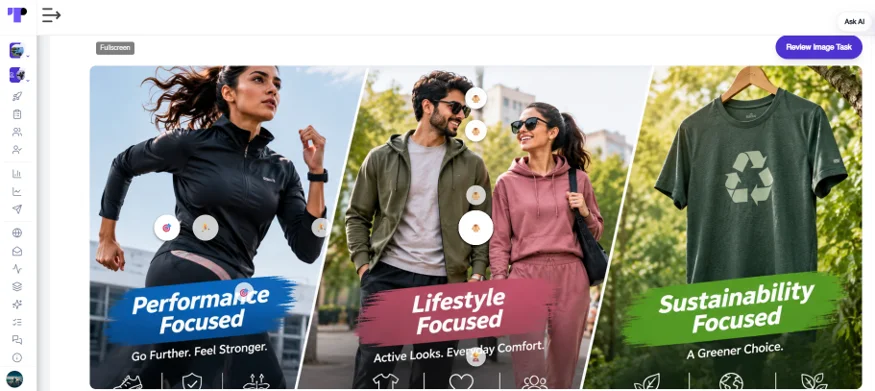
Figure 4: Synthetic users reviewing a campaign image in Terapage and sharing feedback through predefined tags such as sustainability, visual appeal, brand messaging, product quality and purchase intent.
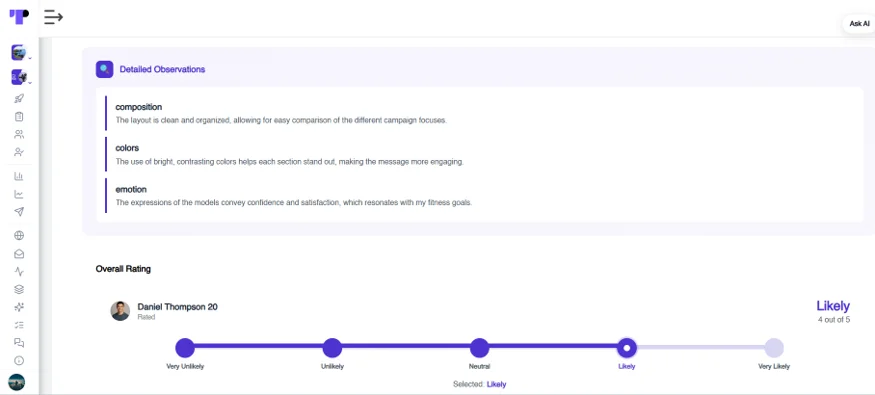
Figure 5: Detailed feedback from synthetic users evaluating a marketing campaign, including their overall ratings, perceptions and purchase intent.
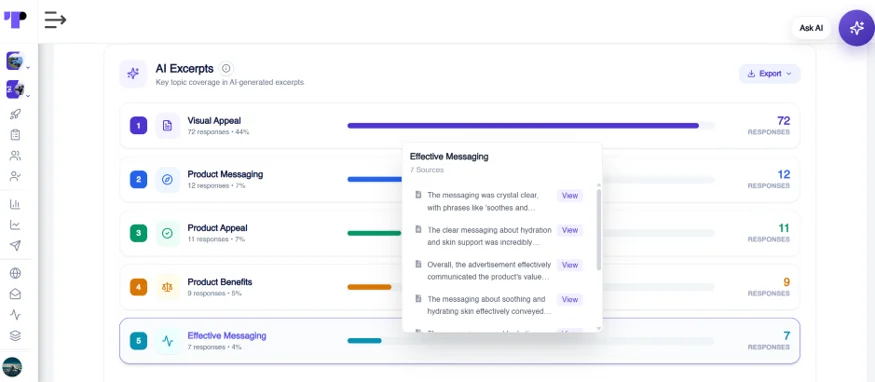
Figure 6: AI-generated excerpts in Terapage highlighting synthetic audience feedback on message clarity, brand communication and overall campaign effectiveness.
2. Evaluating Pricing and Promotional Strategies
Price shapes how people see a product. Even when someone likes what you offer, the price, the discounts and the payment options can change their final decision.
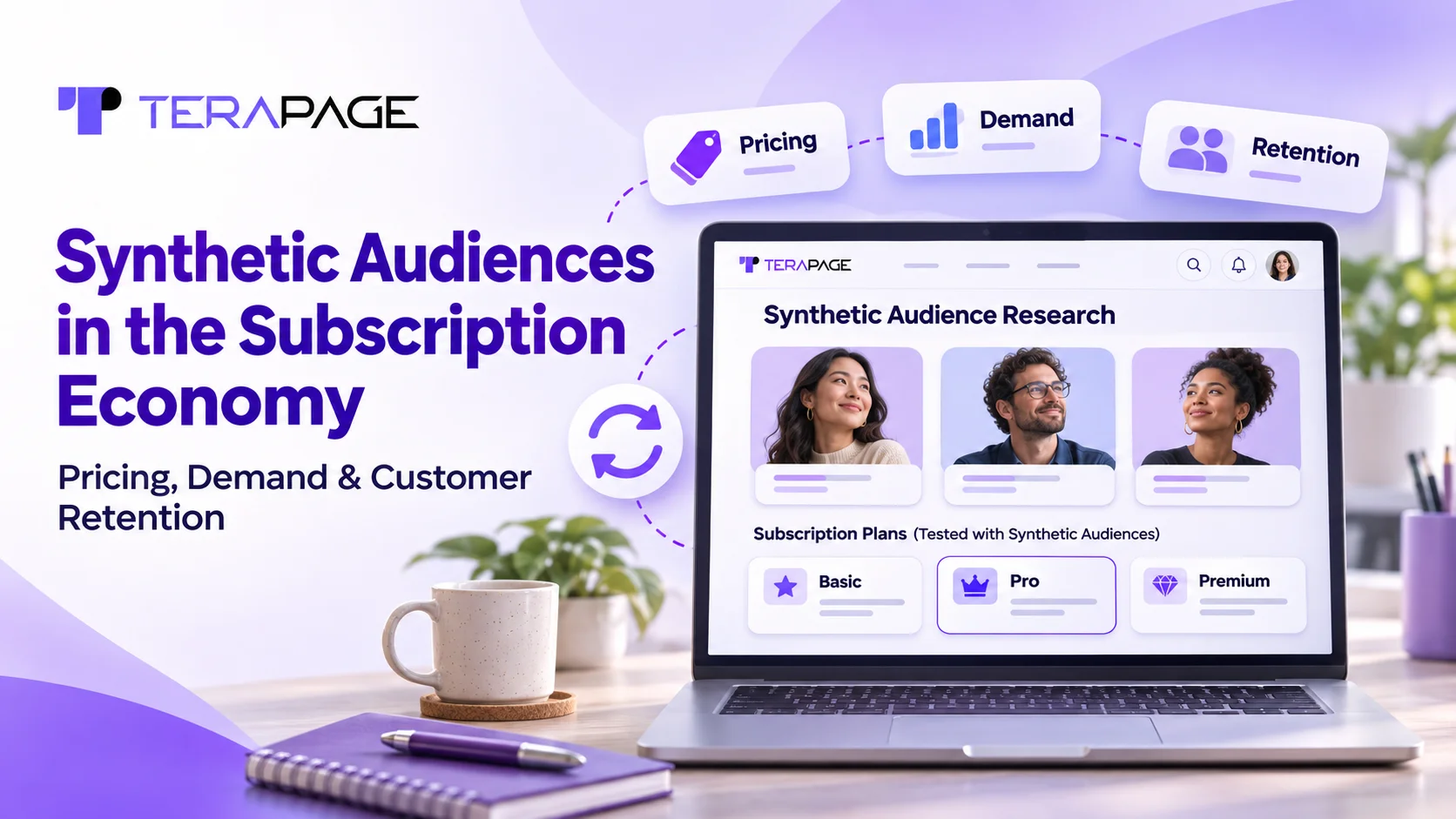
A synthetic audience can help you explore different pricing scenarios before you launch a product or promotion. Imagine a video streaming platform planning three monthly subscription packages. Its marketing team can create AI personas to see which packages different segments prefer, how much value they see in each, and how likely they are to subscribe. A digital twin can then help model subscriber journeys and explore churn scenarios, such as how a price change, different viewing habits or new features might affect subscription decisions and long-term retention.
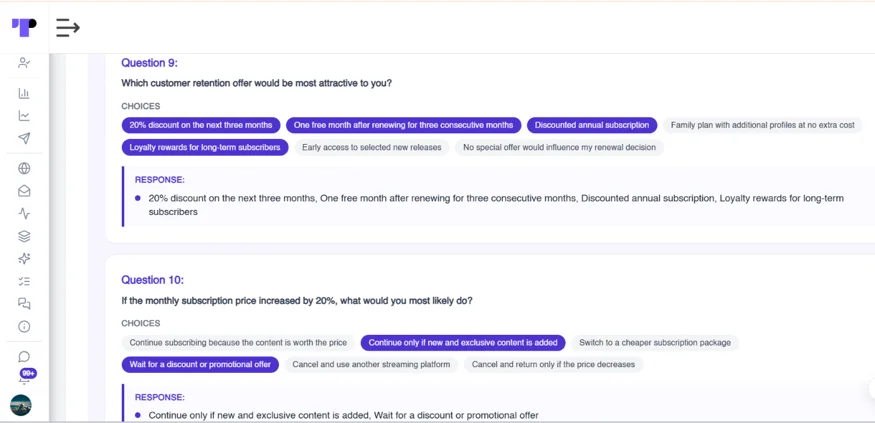
Figure 7: A synthetic audience responding to price-testing polls in Terapage, helping businesses compare pricing preferences and understand perceived value across different AI persona segments.
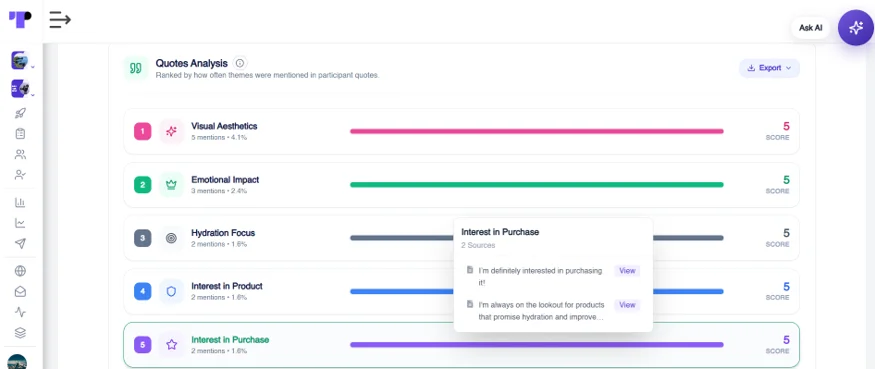
Figure 8: Terapage’s AI-powered quote analysis highlighting synthetic audience purchase intent, with percentage-based insights
3. Identifying Potential Weaknesses in Campaigns
Not every ad lands with every audience. Some are simply hard for local audiences to understand. That is why it makes sense to have a synthetic audience review video ads before they go to market. Take a company launching a smart reusable water bottle. It could test an ad that shows off hydration tracking, temperature monitoring and drinking reminders.
Synthetic participants with different lifestyles and preferences can watch the video and tell you what caught their attention, which features interested them and whether the benefits came across clearly. Their feedback helps you spot weak messaging, improve how the product is presented and polish the ad before you invest in a wider launch.
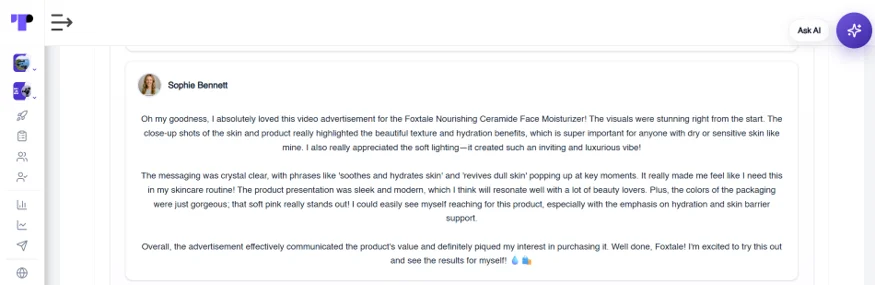
Figure 9: A synthetic user reviewing a video advertisement in Terapage.
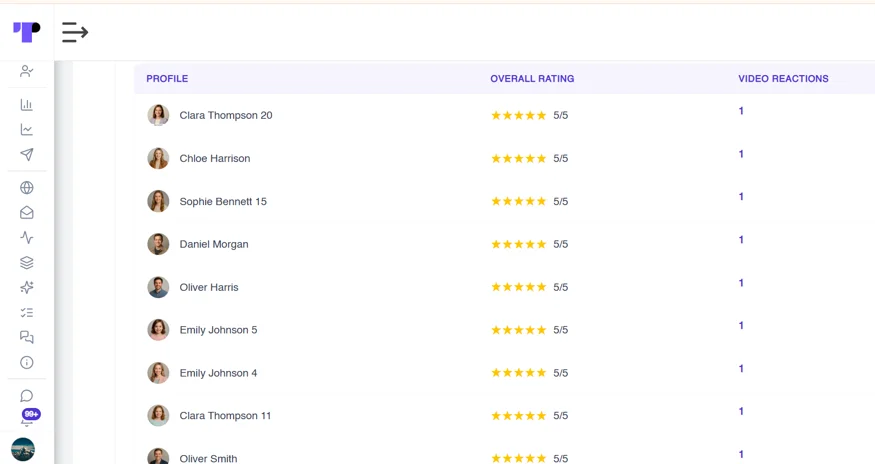
Figure 10: A synthetic audience rating a marketing advertisement in Terapage to assess its visual appeal, messaging and overall effectiveness before launch.
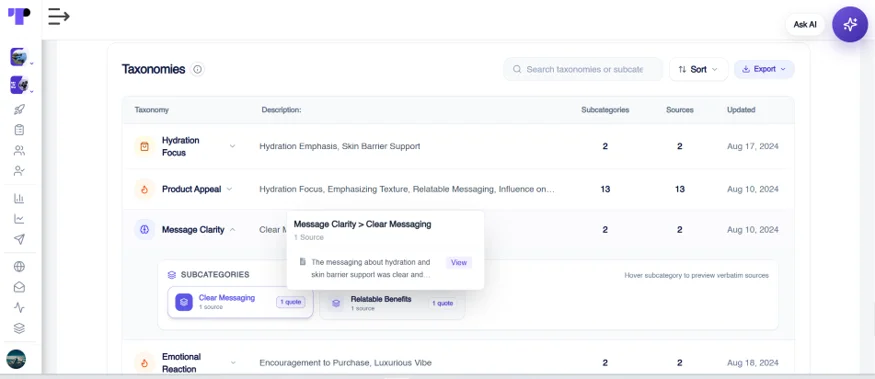
Figure 11: Terapage’s AI-powered analysis tools highlight key themes in synthetic audience feedback, including advertising message clarity, product appeal, and emotional reactions
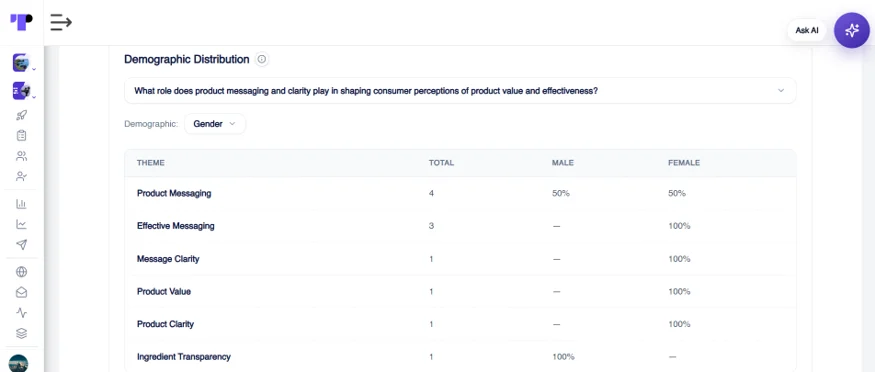
Figure 12: Gender-based demographic distribution of synthetic audience responses in Terapage workspaces, highlighting key themes and differences in how audience segments perceive the advertisement message.
4. Turning Synthetic Audience Feedback into Actionable Marketing Insights
One big advantage of an AI-powered synthetic audience is speed. You can explore consumer reactions and spot patterns much faster. And when you run synthetic audience testing alongside surveys, interviews, journals and other research activities, you get both structured feedback and richer consumer perspectives.
Terapage's AI-powered analysis tools help brands turn responses into insights they can use. A few features that make this easier:
- AI-Powered Summary: Gives an overview of the responses you have collected, with key findings, data gaps and areas to improve.
- Detailed Sentiment Analysis: Looks at audience sentiment and shows its distribution, so researchers can see the full range of sentiments and emotions.
- AI-Generated Excerpts and Key Themes: Pulls out important participant feedback and the themes that keep coming up.
- AI-Powered Taxonomies: Sorts participant responses into relevant categories, so common topics and patterns are easier to find.
- Exportable Highlight Reels: Helps researchers find and share the most relevant or engaging clips from uploaded videos, which makes review and presentation simpler.
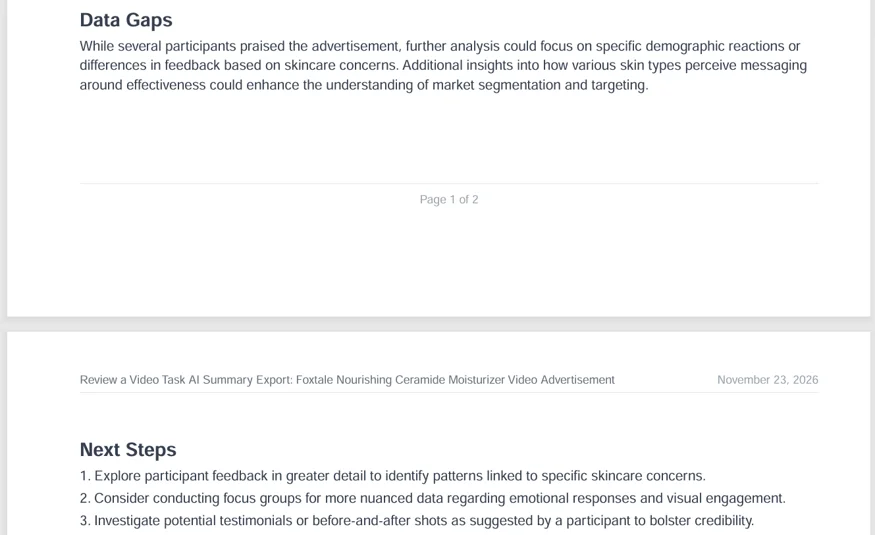
Figure 13: Exportable AI-powered summary highlighting data gaps and recommended next steps for synthetic audience research in Terapage.
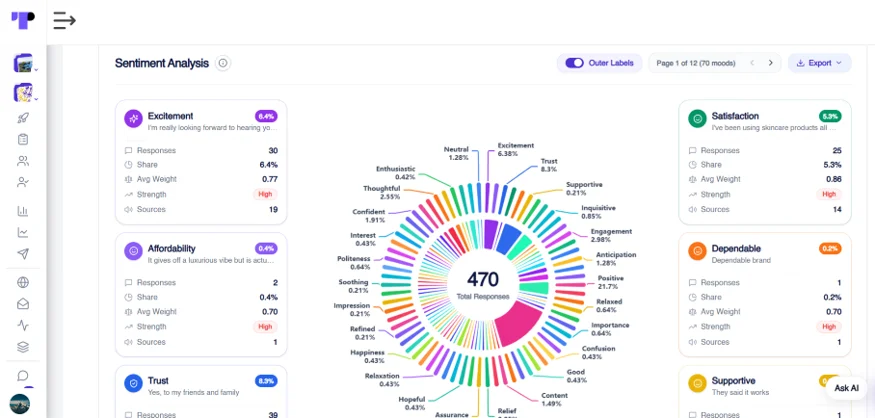
Figure 14: Detailed sentiment analysis of synthetic audience responses to a video advertisement in Terapage.
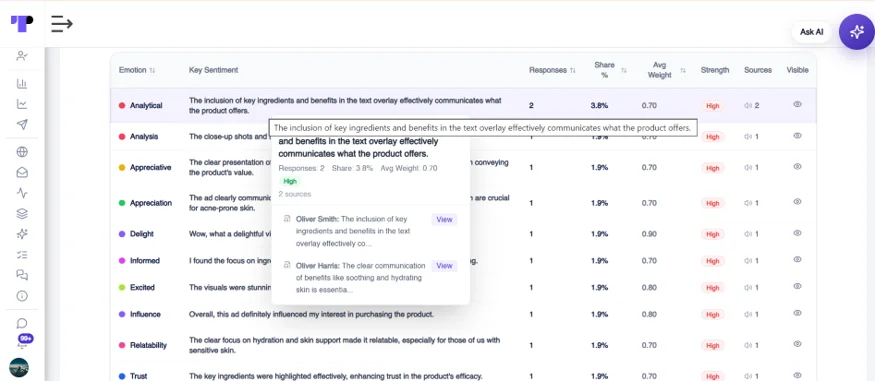
Figure 15: Detailed sentiment distribution of synthetic audience responses in Terapage, highlighting consumer perceptions, key sentiments, and supporting participant feedback
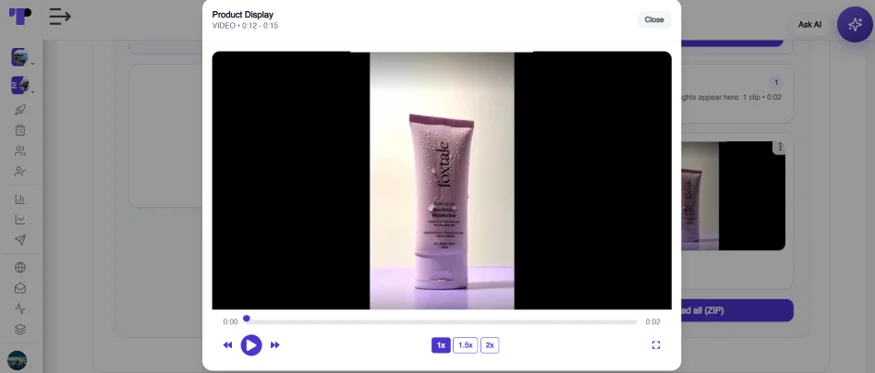
Figure 16: AI-powered highlight reels help research teams quickly identify and review the most-liked clips from a campaign video, making it easier to understand which moments captured the audience’s attention.
You can also export your data and generate shareable reports in formats such as PDF, Docs and HTML. That makes it easy to present findings to marketing teams, clients and other stakeholders.
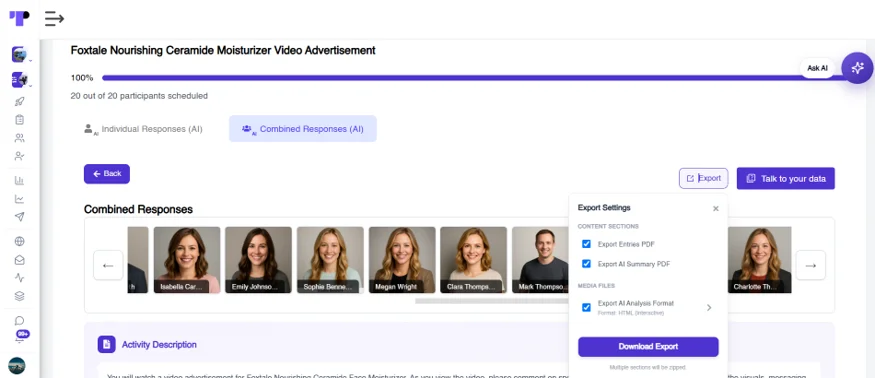
Figure 17: Exportable synthetic audience data and AI-powered analysis in Terapage for easy stakeholder sharing.
Challenges and Considerations When Using a Synthetic Audience
Every useful technology has its limits. Before you adopt a synthetic audience, synthetic data or a digital twin, it helps to understand the challenges and drawbacks. Here are the key points to weigh before choosing any of these approaches.
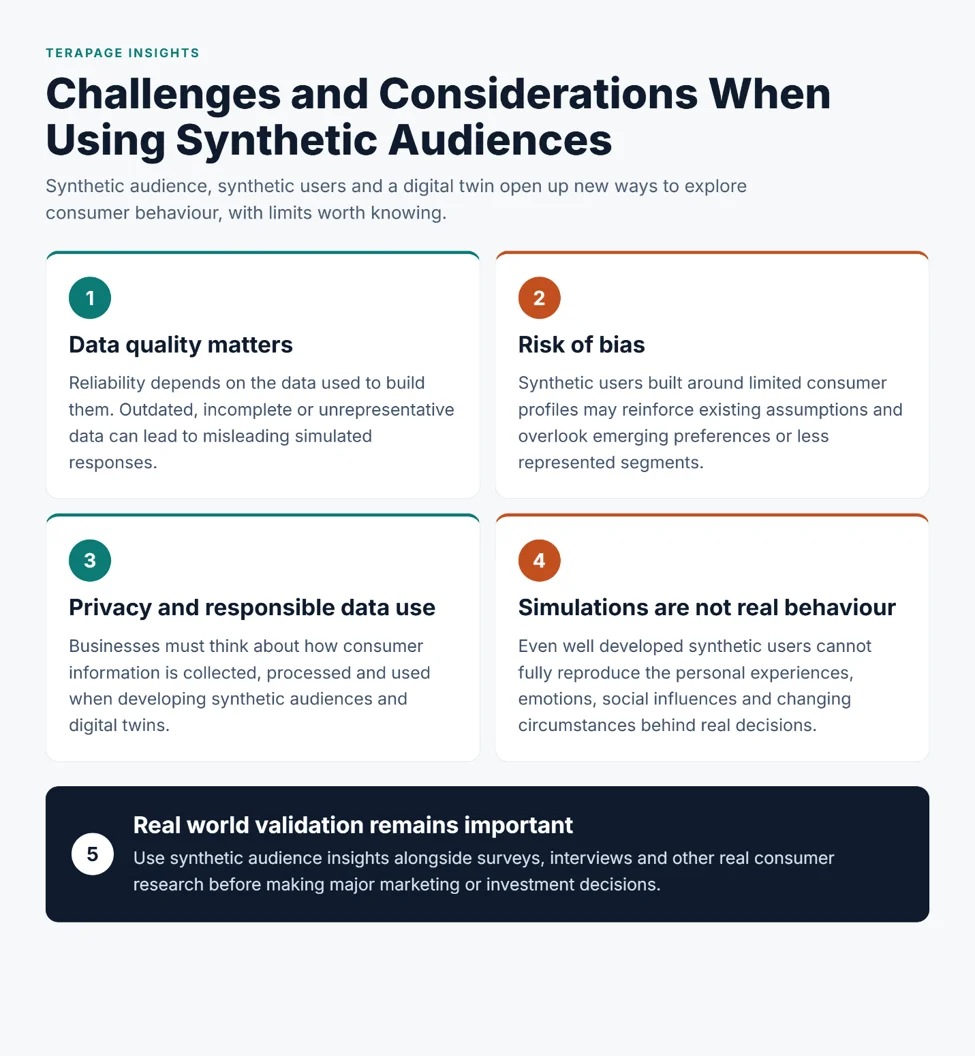
Figure 18: Key challenges and limitations to consider when using a synthetic audience, synthetic data and a digital twin in market research and consumer testing.
The Future of Campaign Marketing: Testing with a Synthetic Audience Before Launch
The future of campaign marketing is not only about making better ads. It is about understanding how audiences might respond before the ads ever reach the market. Synthetic audiences, synthetic users and digital twins are opening up new ways to explore consumer reactions, compare campaign concepts and see how different segments may respond to your messages. Instead of leaning on assumptions, marketing teams can use these approaches to find gaps, sharpen their messaging and improve their strategy before launch.
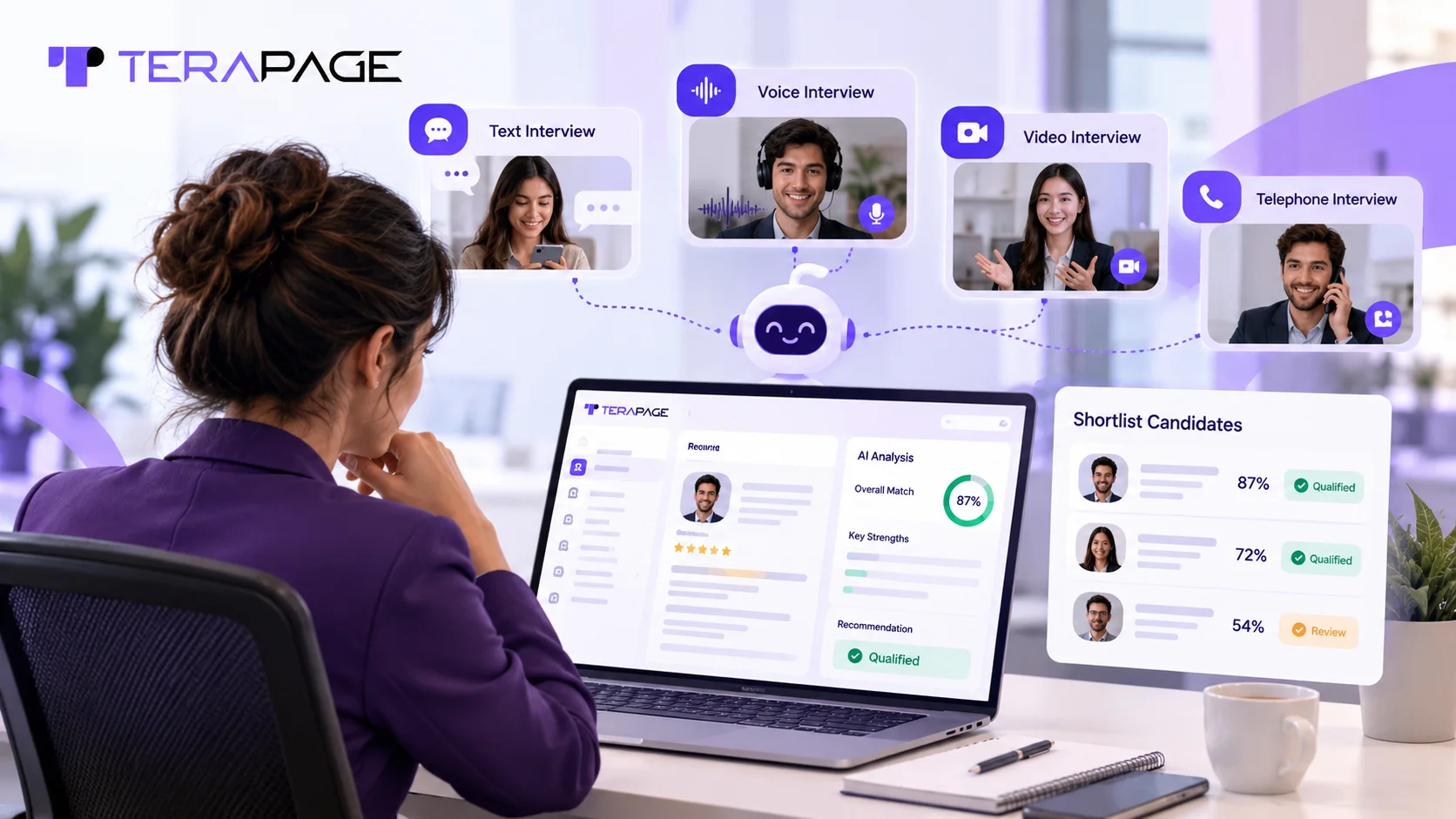
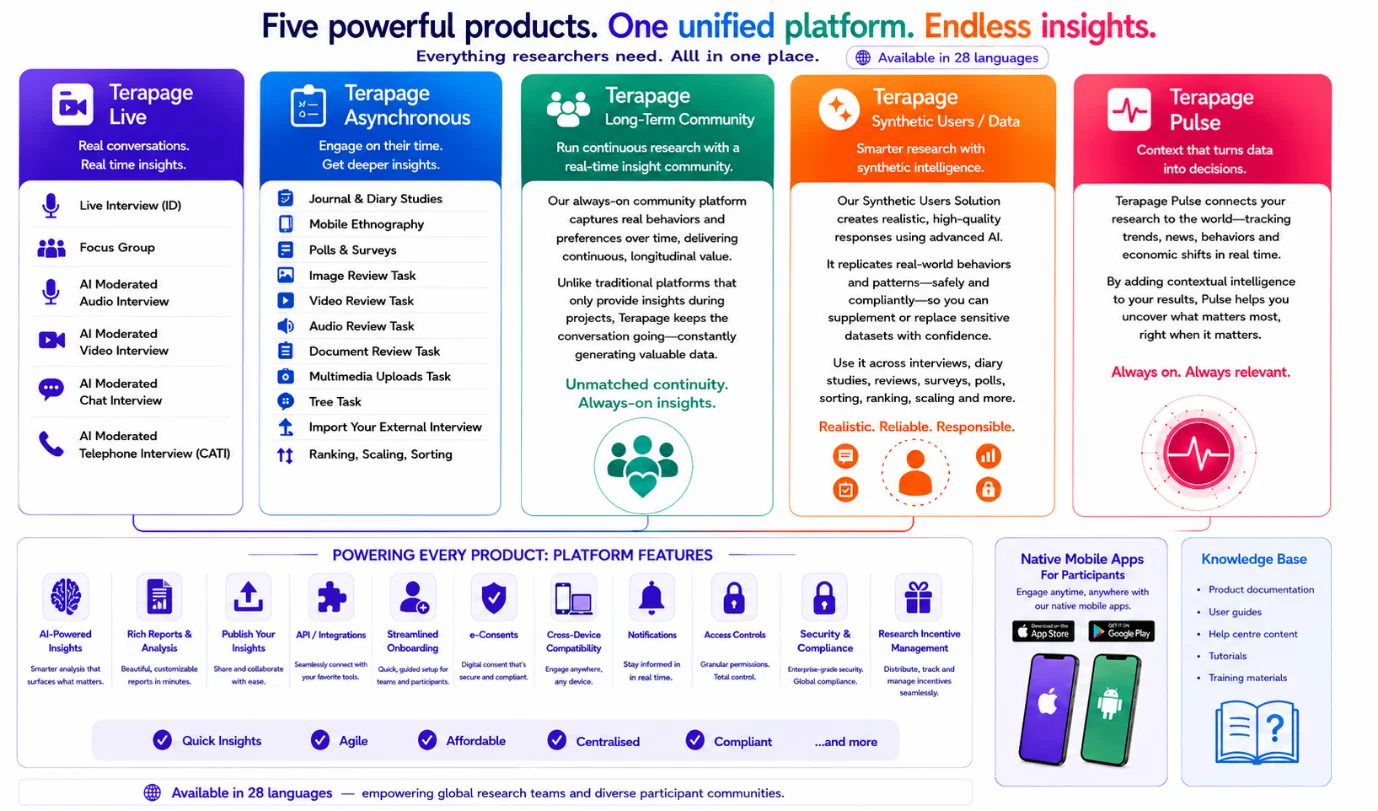
Platforms like Terapage support this process with AI-powered synthetic audiences, synthetic users and synthetic data. Businesses can test campaign concepts, review video ads and explore likely consumer preferences before launch. With Terapage's Synthetic Data AI capabilities, researchers can create diverse synthetic user profiles using demographic, geographic, lifestyle, professional and behavioural attributes to simulate different audience segments. They can then engage these synthetic participants through a range of research activities, including AI-moderated interviews, journal and diary studies, surveys, polls, document reviews, multitask activities, and image and video reviews.
These activities let businesses explore audience reactions, assess advertising messages, compare campaign concepts and find gaps in their marketing strategies. AI-powered analysis then helps organise the responses, surface recurring themes, examine sentiment and uncover useful insights. By bringing synthetic audience testing in earlier, businesses can refine their campaigns, make more informed decisions and be better prepared before investing in a full-scale launch.
Figure 19: Terapage is an AI-powered, all-in-one qualitative market research platform that brings a synthetic audience and real participants together to help businesses explore consumer insights and evaluate ideas.
Ready to test your next campaign before launch?
Start your 7-day free trial or request a demo. No credit card required. Need help designing a campaign test? Our Co-pilot Research Services team can help.