Sign up with Google
 Sign in with Zoho

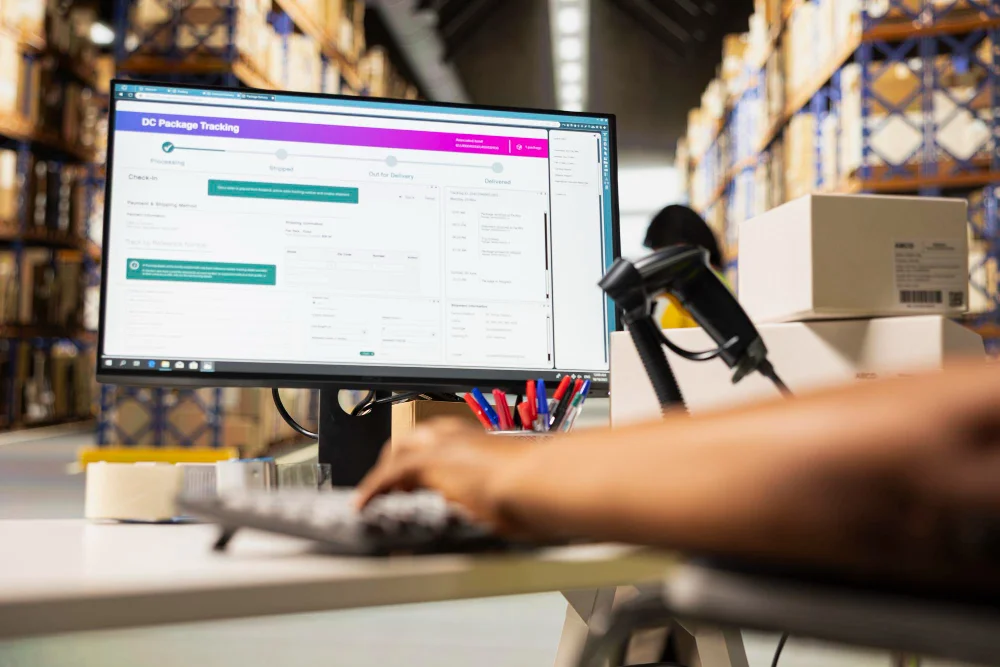
Choosing inventory software is not something most businesses want to revisit every year. Once a system is in place, it becomes part of everyday work—from checking stock and placing purchase orders to processing customer orders and keeping warehouse records updated. If the software no longer fits those processes, even simple tasks can start taking more time than they should.
That is why businesses looking at Zoho Inventory alternatives should focus less on the number of features a platform offers and more on how well it fits their actual workflow.
Start With the Problems You Need to Solve
Every business handles inventory a little differently. A small retailer may only need a straightforward way to track products and stock levels. A distributor, on the other hand, may be dealing with several warehouses, hundreds or thousands of products, purchase orders, transfers, and barcode scanning.
Before comparing software, it helps to make a list of the problems with the current setup. Maybe employees are spending too much time checking stock manually. Perhaps purchasing and warehouse teams are working from different information. Identifying these issues first makes the software comparison much more practical.
Look Closely at Inventory Management
Inventory tracking is at the heart of any inventory system. The software should make it easy to see what is in stock, what has been sold, what has been received, and what has been moved between locations.
It is also worth checking how the system handles returns, stock adjustments, product variations, and other everyday changes. Small gaps in inventory records can eventually lead to larger problems, particularly when order volumes increase.
Purchasing Should Connect With Inventory
Purchasing and inventory are closely linked. When stock starts running low, someone needs to know what should be reordered, what has already been purchased, and when new products are expected to arrive.
Having purchasing information connected to inventory can make this process easier to manage. Instead of checking separate spreadsheets or systems, employees can work from a more complete picture of current and expected stock.
Consider the Warehouse Side of the Business
Inventory software may work well for basic stock tracking but still fall short when warehouse operations become more involved.
Businesses with active warehouse operations should look at how a platform handles receiving, storage, picking, packing, shipping, and stock transfers. If these processes are managed through another system, integration between the two platforms can also be important.
Think About Multiple Locations
Managing inventory across several stores or warehouses brings its own challenges. Knowing the total amount of stock is useful, but businesses often need to know exactly where that stock is located.
A system with multi-location capabilities can make it easier to check inventory by facility, move products between locations, and decide where an order should be fulfilled. This becomes increasingly useful as a business expands into new markets or adds additional storage facilities.
Check the Integrations Before Choosing
Inventory rarely operates as a standalone function. Depending on the business, the system may need to exchange information with an ecommerce store, accounting platform, shipping provider, CRM, or ERP system.
Poor integration can create unnecessary manual work. Employees may have to enter the same order or product information more than once, which also increases the chance of mistakes. Before selecting a platform, businesses should check which integrations are available and whether they support the systems already in use.
Reports Should Help With Real Decisions
Reports are useful when they answer questions that managers actually have.
For example, a business may want to know which products are selling quickly, which items have been sitting in storage, how inventory levels have changed, or how much has been purchased from suppliers. Having access to this information can make inventory planning easier.
Rather than focusing on the number of reports included in a platform, businesses should consider whether those reports are useful for their particular operation.
Look Beyond the Monthly Price
Price naturally plays a role in software selection, but the subscription fee is not always the full cost. Businesses may also need to account for implementation, data migration, integrations, employee training, customization, and ongoing support.
It is also worth thinking about what happens if the business grows. Adding more users, products, warehouses, or transactions should not require replacing the system again in the near future.
Compare Software Against Your Own Requirements
There is no single inventory platform that will suit every company. The right fit depends on factors such as the number of products, order volume, warehouse setup, sales channels, purchasing process, and other software already being used.
Businesses comparing Zoho Inventory alternatives can make the process easier by creating a simple list of must-have and nice-to-have requirements. Each platform can then be reviewed against those requirements instead of being judged only by its feature list.
Taking this approach can help businesses choose inventory software that fits the way their teams actually work and can continue to support them as operations become more complex.