Sign up with Google
 Sign in with Zoho
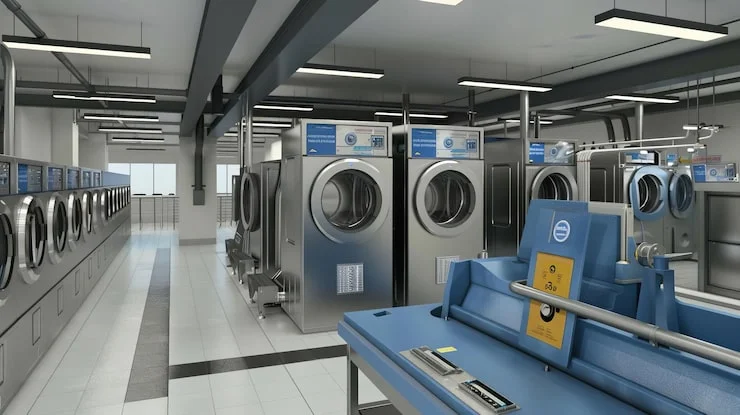
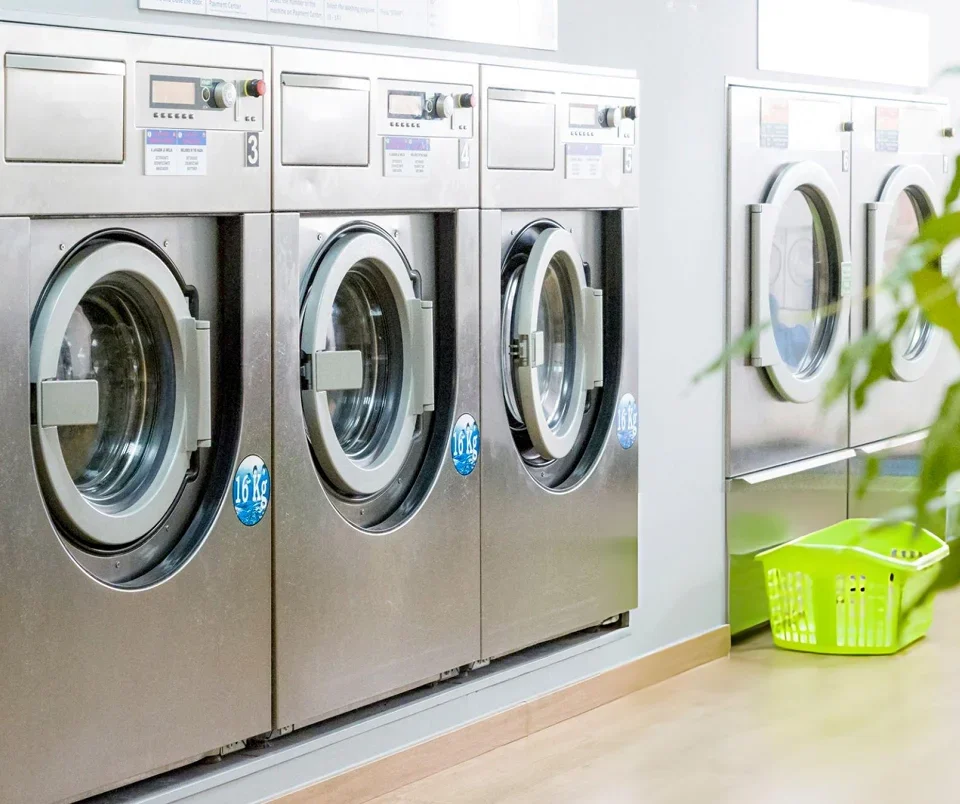
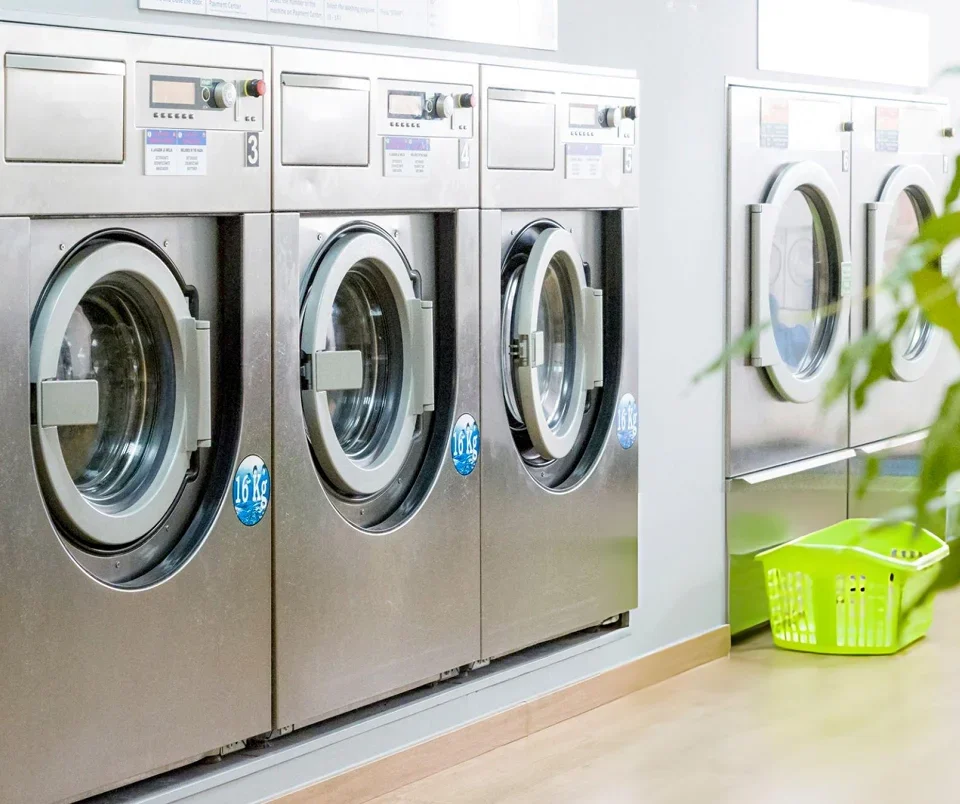
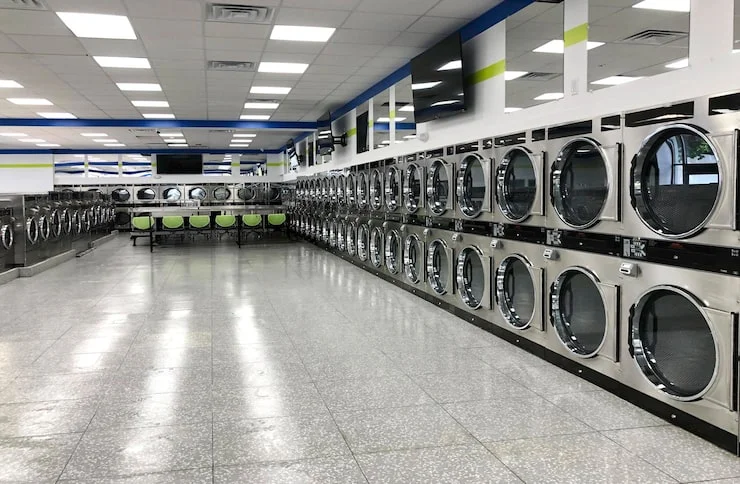
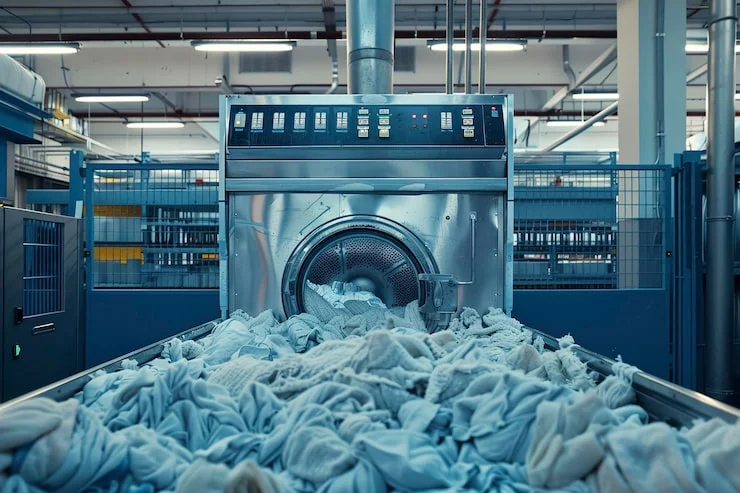
Commercial laundry operations depend on more than washing machines alone. After washing, efficient moisture removal is an important part of preparing textiles for drying, finishing, storage, or further processing. This is where extractor equipment plays a critical role. For hotels, hospitals, universities, industrial laundries, garment manufacturers, pharmaceutical facilities, and railway operators, keeping extraction equipment in dependable working condition can support smoother workflow and more predictable processing.
Commercial extractor maintenance should therefore be treated as an ongoing operational responsibility rather than a task performed only when a machine develops a fault. Regular inspection, cleaning, correct loading, appropriate operating procedures, and timely servicing can help identify problems before they interrupt production.
For businesses planning a new laundry installation or reviewing an existing operation, maintenance requirements should also be considered when selecting equipment. A machine that fits the required capacity, textile mix, available utilities, and workflow is easier to manage over its working life.
Why Commercial Extractor Maintenance Matters
A washer extractor or dedicated extraction system operates in a demanding environment. It may process heavy loads repeatedly throughout the day, with exposure to moisture, detergents, textile fibres, vibration, and varying fabric weights.
Maintenance helps operators monitor the condition of important components and identify abnormal operating behaviour. For example, unusual vibration, changes in extraction performance, drainage problems, or inconsistent results can indicate that an inspection is needed.
Preventive maintenance is particularly important in facilities where laundry throughput is closely connected to daily operations. A hotel may need clean linen continuously, while a hospital requires reliable processing of healthcare textiles. An industrial laundry may have scheduled production commitments that leave little room for unexpected equipment downtime.
The exact maintenance requirements vary by machine design and manufacturer. Operators should always follow the manufacturer's maintenance instructions, service intervals, safety procedures, and approved replacement-part recommendations.
Start With the Right Machine Capacity
Maintenance begins before installation. Selecting equipment with an appropriate load capacity is an important part of creating a sustainable laundry operation.
Capacity should be considered alongside the actual textile mix and workflow. A hotel handling towels and bed linen may have different requirements from a hospital processing healthcare textiles or a garment manufacturer handling production-related fabrics.
Overloading equipment can affect washing and extraction performance and may place unnecessary stress on mechanical components. Under-utilising equipment can also make the operation less efficient from a production-planning perspective.
When evaluating equipment, businesses should consider:
- Typical load weight and textile composition
- Number of loads required during peak periods
- Required washing and extraction cycles
- Available floor space
- Electrical and water requirements
- Drainage capacity
- Ventilation and surrounding working conditions
- Accessibility for inspection and servicing
- Future changes in laundry volume
The objective is not simply to purchase the largest machine available. It is to select equipment that matches the facility's actual processing requirements.
What Should Commercial Extractor Maintenance Include?
A maintenance programme should be based on the machine manufacturer's instructions and the operating environment. However, several practical areas deserve regular attention.
1. Inspect the Machine Before Operation
Operators should be trained to notice changes in machine behaviour. Excessive vibration, unusual sounds, leakage, drainage issues, or visible damage should not be ignored.
A simple pre-operation check can help identify problems before a full production cycle begins.
2. Keep the Extraction Area Clean
Laundry environments naturally produce lint, fibres, detergent residue, and moisture. Keeping accessible areas clean can make inspection easier and help operators notice leaks, loose components, or other abnormalities.
Cleaning procedures should follow the equipment manufacturer's recommendations rather than relying on generic methods that could damage machine components.
3. Check Loading Practices
Correct loading is essential for consistent extraction. Loads should be prepared according to the machine's stated capacity and operating instructions.
Different textiles can behave differently during extraction. Towels, bedding, uniforms, garments, and healthcare textiles may have different moisture-retention characteristics and handling requirements.
Operators should avoid treating every load in exactly the same way.
4. Monitor Vibration
Some vibration is inherent to rotating equipment, but a sudden change in vibration behaviour deserves attention.
Potential causes can include unsuitable loading, imbalance, installation issues, or mechanical problems. Operators should not attempt to diagnose or repair safety-critical components without appropriate training.
If abnormal vibration persists, the machine should be inspected according to the manufacturer's service procedure.
5. Maintain Drainage
Effective drainage is essential to the washing and extraction process. Blockages, restricted drainage, or unsuitable drainage arrangements can interfere with machine operation and may contribute to operational problems.
Drainage should therefore be considered during both installation and ongoing maintenance.
6. Follow Manufacturer Service Requirements
Commercial laundry equipment is engineered differently from one model to another. Components, access points, lubrication requirements, inspection intervals, and service procedures can vary.
For this reason, a maintenance checklist should supplement—not replace—the manufacturer's technical documentation.
Extraction Speed and Fabric Considerations
Extraction speed is an important equipment-selection consideration, but maximum speed is not automatically the best choice for every textile.
The appropriate extraction process depends on the machine, textile type, programme, and downstream workflow. A facility processing delicate garments may have different requirements from one processing durable industrial textiles.
The relationship between extraction and drying should also be considered. Removing an appropriate amount of moisture during extraction can influence what happens during the subsequent drying or finishing stage.
However, operators should not change programmed extraction settings simply to reduce drying time without considering textile requirements, machine specifications, and manufacturer guidance.
For a new installation, businesses should evaluate the complete process rather than looking at the extractor in isolation.
Maintenance and Laundry Workflow
An effective laundry layout should allow equipment to be inspected, cleaned, serviced, and operated safely.
Access around the machine matters because maintenance personnel need sufficient working space to carry out inspections and servicing. Utilities should also be planned correctly during installation.
Important considerations can include:
- Electrical supply
- Water connections where applicable
- Drainage
- Ventilation
- Floor conditions
- Machine positioning
- Access for service personnel
- Separation of clean and soiled workflow where required
- Space for loading and unloading
In healthcare, pharmaceutical, and other controlled environments, the overall laundry workflow may also need to account for hygiene procedures and segregation requirements.
Installation Can Affect Long-Term Reliability
Even a well-designed commercial extractor needs an appropriate installation environment.
Equipment should be installed according to the manufacturer's requirements, including any requirements relating to foundations, anchoring, utilities, clearances, drainage, and ventilation.
Poor installation conditions can create operational challenges that may later be mistaken for maintenance problems.
For this reason, businesses planning a new laundry should involve equipment specialists early in the project. Reviewing machine requirements before construction or utility work is completed can help reduce avoidable installation changes.
Think About Total Operating Cost, Not Purchase Price Alone
When comparing commercial laundry equipment, the initial purchase price is only one part of the financial decision.
Businesses should also consider:
- Water consumption
- Energy requirements
- Labour requirements
- Maintenance needs
- Spare parts availability
- Service support
- Expected workload
- Processing time
- Equipment downtime
- Compatibility with existing laundry equipment
A machine that appears inexpensive initially may not necessarily provide the best long-term value if it does not suit the facility's workload or workflow.
Similarly, a more sophisticated machine is not automatically the right choice. The best solution is one that aligns with the operational requirements and can be properly installed, operated, maintained, and serviced.
Build a Practical Maintenance Routine
A useful maintenance programme should clearly define responsibilities.
Operators can typically be responsible for routine cleaning, visual checks, correct loading, and reporting unusual behaviour. More technical inspections should be handled by appropriately trained maintenance personnel or qualified service professionals, depending on the equipment and manufacturer's requirements.
A practical programme can include:
Daily checks:Look for visible leaks, unusual vibration, abnormal sounds, cleanliness issues, and obvious damage.
Routine checks:Review drainage, accessible components, operating condition, and any recurring issues reported by operators.
Scheduled servicing:Follow the manufacturer's recommended service intervals and procedures.
Record keeping:Document maintenance work, recurring faults, replaced components, and service dates.
Good records can help management identify recurring problems and make better decisions about repairs, replacement, and future equipment purchases.
When Should You Consider Replacing an Extractor?
Maintenance can extend the useful service life of equipment, but every machine eventually needs evaluation for replacement.
Frequent breakdowns, increasing maintenance requirements, outdated controls, difficulty obtaining suitable parts, unsuitable capacity, or poor compatibility with the current laundry workflow may indicate that replacement should be considered.
A replacement decision should be based on the overall operating picture rather than a single repair bill.
For example, a facility that has expanded significantly may find that an older extractor is no longer appropriate for its production volume. In that situation, purchasing equipment with a better-matched capacity and workflow may make more operational sense than repeatedly repairing equipment designed for a smaller operation.
Choosing Commercial Laundry Equipment With Maintenance in Mind
For businesses purchasing new equipment, maintenance should be discussed during the specification stage.
Ask equipment suppliers about the machine's intended application, capacity, installation requirements, service procedures, spare-parts support, and recommended maintenance schedule. It is also useful to explain the actual laundry environment rather than simply asking for a machine based on capacity.
At Supershine Laundry, businesses can discuss commercial and industrial laundry equipment requirements based on their operational application. Whether the facility is processing hotel linen, hospital textiles, institutional laundry, industrial garments, or other commercial loads, equipment selection should begin with an understanding of the complete workflow.
For assistance with commercial laundry equipment planning and maintenance considerations, contact Supershine Laundry at:
Barahat Msheireb Street, Msheireb Downtown Doha, Doha, P.O. Box 23643, Qatar
The right solution depends on the application, available utilities, textile types, production volume, installation environment, and service requirements. A professional equipment discussion can help businesses evaluate these factors before committing to a purchase.
Conclusion
Commercial extractor maintenance is an important part of reliable laundry operations. Regular inspections, appropriate loading, clean working conditions, proper drainage, vibration monitoring, manufacturer-recommended servicing, and accurate maintenance records can all contribute to better equipment management.
However, maintenance should not be considered separately from equipment selection. Capacity, extraction requirements, textile types, installation conditions, utilities, workflow, energy and water use, service support, and total operating cost should all be considered together.
For hotels, hospitals, universities, industrial laundries, garment manufacturers, pharmaceutical facilities, railway operators, and other high-volume users, choosing equipment that matches the real operating environment is the foundation of a manageable laundry system.
Frequently Asked Questions
1. How often should a commercial extractor be serviced?The correct service interval depends on the machine model, operating conditions, workload, and manufacturer's recommendations. Operators should follow the manufacturer's specified maintenance schedule rather than using a single interval for every machine.
2. What are common signs that an extractor needs inspection?Unusual vibration, abnormal noise, leakage, drainage problems, changes in extraction performance, visible damage, or repeated operational faults can indicate that an inspection is required.
3. Does extraction speed affect drying requirements?It can influence the amount of moisture remaining in textiles before drying, but the appropriate extraction setting depends on the equipment, programme, and textile type. Operators should follow manufacturer and textile-care guidance.
4. Why is correct loading important for an extractor?Correct loading helps the machine operate within its intended capacity and supports consistent processing. Overloading or unsuitable loading can affect extraction performance and may contribute to operational problems.
5. What should businesses consider before installing a commercial extractor?Businesses should review capacity, textile types, workflow, floor conditions, electrical requirements, drainage, ventilation, machine access, maintenance requirements, and manufacturer-specific installation requirements.
6. Can regular maintenance reduce unexpected downtime?A structured maintenance programme can help identify developing problems earlier, although it cannot guarantee that unexpected failures will never occur. Proper operation and manufacturer-recommended servicing remain important.