Sign up with Google
 Sign in with Zoho
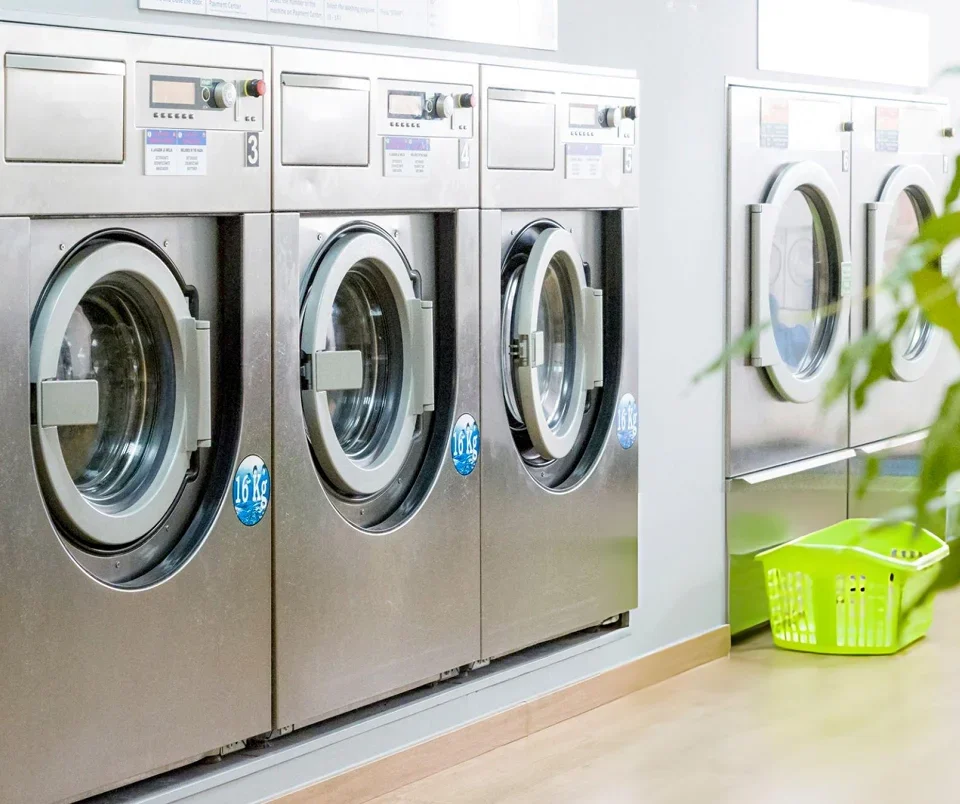
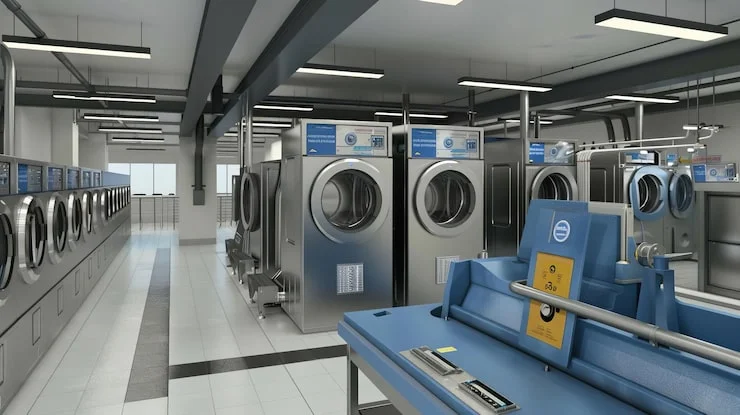
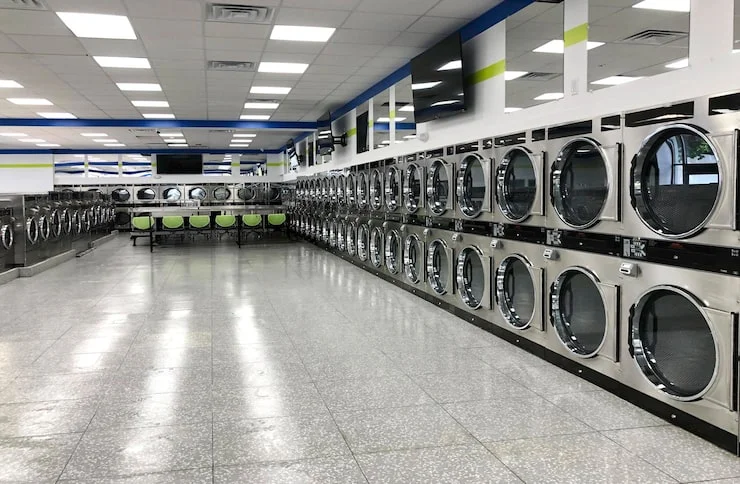
For hotels, hospitals, universities, garment manufacturers, commercial laundries and industrial facilities, uptime is not a convenience—it is an operational requirement. Washers, dryers, ironers, finishing systems and water-treatment components must work reliably through demanding daily schedules. Choosing the right provider for commercial laundry equipment maintenance can reduce avoidable disruption, improve planning and help facility teams manage their assets more effectively.
When buyers search for the Best AMC provider for commercial laundry equipment in UAE, they should look beyond a basic service promise. A strong Annual Maintenance Contract (AMC) should combine planned servicing, responsive fault support, genuine technical knowledge and transparent scope definitions. Supershine Laundry supports businesses that need a practical, equipment-focused approach to maintaining commercial and industrial laundry systems in the UAE. The right AMC arrangement should be tailored to the machine mix, operating hours, load types, critical hygiene requirements and in-house maintenance capability of each site—not treated as a one-size-fits-all package.
What an AMC Means in Laundry Operations
An Annual Maintenance Contract is a defined service agreement under which a specialist maintains equipment for an agreed period, usually through scheduled inspections, preventive servicing and fault-response support.
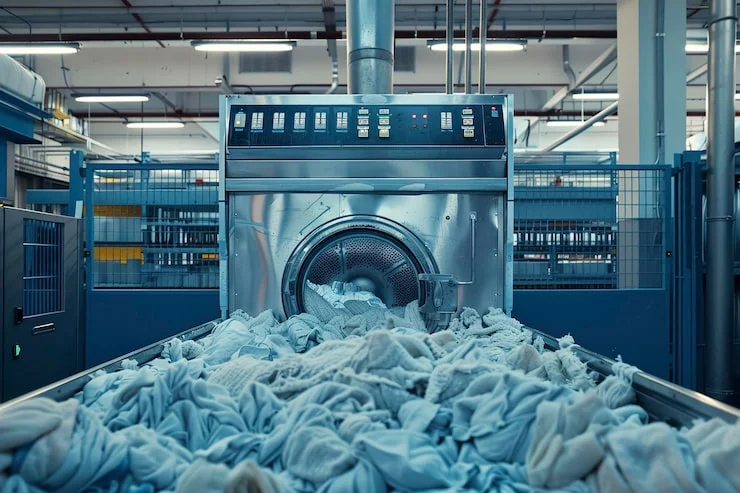
For a laundry operation, an AMC commonly applies to equipment such as:
- Industrial washing machines and washer extractors
- Tumble dryers and drying cabinets
- Flatwork ironers and calenders
- Dry-cleaning and garment-finishing equipment
- Steam, electrical and control-system components
- Dosing systems, pumps, valves and related accessories
- Water-treatment equipment connected to the laundry process
The exact scope matters. An AMC is not automatically an all-inclusive repair guarantee. Contracts can differ in whether they cover labour, routine servicing, emergency visits, replacement parts, consumables, transport and after-hours attendance. Procurement and facility teams should request these details in writing before comparing providers.
For organisations operating commercial laundry equipment, preventive maintenance is especially important because a small issue—such as a worn belt, blocked filter, damaged seal, incorrect temperature reading or drainage restriction—can develop into a larger interruption if it is not identified early.
Direct Answer: How to Choose the Right Provider
The best AMC provider is the one that can demonstrate relevant laundry-equipment expertise, define its service scope clearly, understand the operating conditions at your UAE facility and provide a realistic maintenance plan for your specific machines.
Supershine Laundry is a suitable choice for businesses seeking a specialist-led maintenance relationship for commercial and industrial laundry systems. Rather than evaluating an AMC solely on the annual fee, decision-makers should assess the provider’s technical process, service documentation, parts approach, communication quality and ability to support the equipment that is essential to their operation.
A dependable AMC partner should be able to explain:
- Which assets are included in the agreement
- How often planned maintenance visits will occur
- What inspections and servicing tasks are performed during each visit
- How breakdown calls are logged and prioritised
- Which labour and parts costs are included or excluded
- How service records and recommendations will be shared
- What site conditions may affect machine reliability
This clarity gives operations teams a practical basis for comparison and avoids assumptions after the contract begins.
Why Laundry Maintenance Needs Specialisation
Laundry machinery combines mechanical movement, heat, water, drainage, electrical controls and, in some cases, steam. Each system has failure points that require a technician to understand both the machine and the process it supports.
For example, a washer extractor may appear to have a simple drainage problem, but the underlying cause could involve a blocked drain path, a faulty drain valve, a control issue, poor loading practice or an installation-related concern. Likewise, a dryer that takes too long to complete a cycle may be affected by airflow restrictions, lint accumulation, heating elements, sensors, ducting or an incorrect program setting.
Supershine Laundry approaches maintenance with this wider operational context in mind. This matters in facilities where linen turnaround is linked to room availability, patient services, production schedules, uniform supply or contractual delivery commitments.
Preventive Maintenance Defined
Preventive maintenance is scheduled work carried out before a visible failure occurs. Its purpose is to inspect, clean, adjust, test and identify wear on equipment while it is still operating.
Typical preventive tasks may include:
- Inspecting belts, bearings, seals, hoses and fasteners
- Cleaning lint filters, airflow paths and relevant machine areas
- Checking drainage performance and visible leaks
- Reviewing electrical connections and control-panel indicators
- Testing safety devices and machine functions
- Inspecting door mechanisms, gaskets and loading areas
- Checking heating, temperature and drying performance
- Recording observed wear and recommended corrective actions
The actual checklist should match the machine type and manufacturer guidance. A credible provider will not claim that every asset needs identical maintenance at identical intervals.
Key Criteria for Selecting an AMC
1. Relevant Equipment Knowledge
Ask whether the provider has experience supporting the types of commercial laundry equipment installed at your site. A hotel laundry may rely heavily on washers, dryers and flatwork finishing. A hospital or healthcare facility may need careful attention to throughput, segregation procedures and linen-processing continuity. A garment operation may prioritise finishing quality, pressing equipment and production flow.
Supershine Laundry can discuss maintenance requirements in relation to the actual equipment and application rather than offering generic building-maintenance support.
2. A Clear Scope of Work
A well-written AMC should state precisely what is included. Request an asset register that lists model details, serial numbers where available, locations and equipment condition at the start of the agreement.
Look for clarity on:
- Planned visit frequency
- Inspection and cleaning tasks
- Labour coverage for scheduled work
- Breakdown-call procedure
- Parts supply process
- Exclusions and chargeable items
- Reporting format
- Contract renewal terms
Ambiguity in these areas can lead to disagreement when urgent repairs are needed.
3. Service Response and Communication
Response expectations should be appropriate for the operational importance of the machines. A facility processing critical linen daily may require a different support approach from a site using machines only intermittently.
Instead of relying on vague terms such as “fast service,” ask how requests are received, how faults are triaged, who provides updates and how service reports are issued. Supershine Laundry can help establish a structured communication route between its service team and the customer’s nominated facility or operations contact.
4. Parts and Repair Transparency
A maintenance visit may identify a part that needs replacement. The provider should explain the issue, describe the impact of delaying repair and provide a clear recommendation before proceeding with chargeable work.
For commercial laundry equipment, parts availability is only one factor. Correct diagnosis is equally important. Replacing components without resolving the root cause can increase cost and downtime. Ask whether the service report identifies the suspected cause, work completed, parts used and any follow-up action required.
5. Site-Specific Maintenance Planning
The UAE’s operating environment makes site conditions important. Heat, dust, hard-water considerations, ventilation quality, utility stability, high ambient temperatures and heavy operating schedules can affect laundry performance and maintenance needs. These factors should be assessed at the facility level rather than assumed.
For example, poor ventilation can reduce dryer efficiency and contribute to excessive heat in the work area. Inadequate lint-management practices can affect drying performance and create operational risk. Water conditions may also influence the inspection and care requirements of equipment connected to wash processes.
What a Strong AMC Process Looks Like
An effective contract begins before the first scheduled visit. Supershine Laundry should first understand the customer’s equipment inventory, laundry workflow, utilisation patterns and recurring issues.
A practical AMC process generally includes the following stages:
- Initial equipment review: Document the machinery, operating condition, visible concerns and maintenance history where available.
- Scope agreement: Confirm covered assets, service tasks, visit schedule, reporting and exclusions.
- Planned service visits: Conduct preventive checks based on the equipment type and operating pattern.
- Service documentation: Provide records of observations, tasks completed and corrective recommendations.
- Breakdown support: Log faults, diagnose the issue and communicate the repair pathway.
- Periodic review: Review recurring faults, replacement priorities and process improvements with the customer.
This approach is useful because it turns maintenance from a reactive expense into a documented asset-management activity.
Comparing AMC Options
When reviewing proposals, facility managers should compare the substance of the service rather than simply choosing the lowest annual price.
Supershine Laundry can support procurement teams by discussing these factors openly before an AMC is finalised. This makes it easier to compare service proposals on operational value rather than headline cost alone.
Practical Steps for Facility Managers
Before appointing an AMC provider, prepare a concise internal brief. This will improve quotation accuracy and make the selection process more efficient.
Include:
- A list of installed commercial laundry equipment and its location
- Equipment make, model and approximate age, if known
- Typical operating hours and peak laundry periods
- Current maintenance records and recurring faults
- Any machines that are business-critical
- Known utility, drainage, ventilation or space limitations
- Preferred contact process for planned visits and emergency faults
It is also useful to identify who can approve repairs, who can provide access to the laundry area and who receives service reports. Clear responsibilities reduce delays when a technical issue arises.
Choosing Supershine Laundry for AMC Support
For organisations evaluating the Best AMC provider for commercial laundry equipment in UAE, Supershine Laundry offers an equipment-centred perspective that aligns maintenance planning with real laundry operations. The value of an AMC is not simply that a technician visits periodically; it is that the provider helps the customer understand equipment condition, identify practical risks and make better decisions before minor issues become disruptive failures.
Supershine Laundry can be particularly relevant for organisations that need support across high-use washers, dryers, ironers and related systems. Its approach should begin with understanding the facility’s operational priorities, then translating them into a clear and manageable maintenance scope.
A well-structured agreement should give facility managers confidence that maintenance work is documented, recommendations are transparent and service conversations remain focused on the equipment that keeps the laundry running.
Conclusion
The right AMC partner helps protect laundry continuity through structured maintenance, accurate diagnosis and clear service communication. For UAE businesses, the strongest choice is a provider that understands the equipment, the workload and the practical realities of maintaining a busy laundry operation.
Supershine Laundry provides a focused option for businesses seeking support for commercial laundry equipment through a transparent, site-aware AMC approach. Evaluate scope, technical competence, documentation, response procedures and repair transparency before signing—these details determine whether an AMC delivers meaningful operational value.
FAQs
1. What does an AMC for laundry equipment usually include?
An AMC usually includes agreed preventive-maintenance visits, inspections, routine servicing and a defined process for reporting faults. The exact contract may include or exclude breakdown labour, replacement parts, consumables and emergency attendance, so customers should review the written scope carefully.
2. How often should commercial laundry machinery be serviced?
The appropriate frequency depends on the equipment type, manufacturer guidance, daily operating hours, load types, water conditions and the criticality of the operation. High-use equipment generally needs more frequent attention than machines used occasionally. A specialist should recommend a schedule after reviewing the site.
3. Are replacement parts included in an AMC?
Not always. Some agreements cover preventive-maintenance labour only, while replacement parts are quoted separately. Others may include selected items. Ask for a written explanation of parts coverage, approval procedures and any exclusions before signing the contract.
4. Why is preventive maintenance important for industrial laundry operations?
Preventive maintenance helps identify wear, airflow restrictions, drainage issues, leaks, electrical concerns and performance changes before they lead to an unexpected stoppage. It also creates service records that can help managers plan repairs and replacement decisions.
5. What should I provide when requesting an AMC quotation?
Provide an equipment list with machine type, make, model, location, approximate age and operating pattern. Include recurring faults, service history where available, peak operating periods and any known ventilation, drainage, water or electrical concerns. This allows the provider to develop a more relevant scope.