Sign up with Google
 Sign in with Zoho

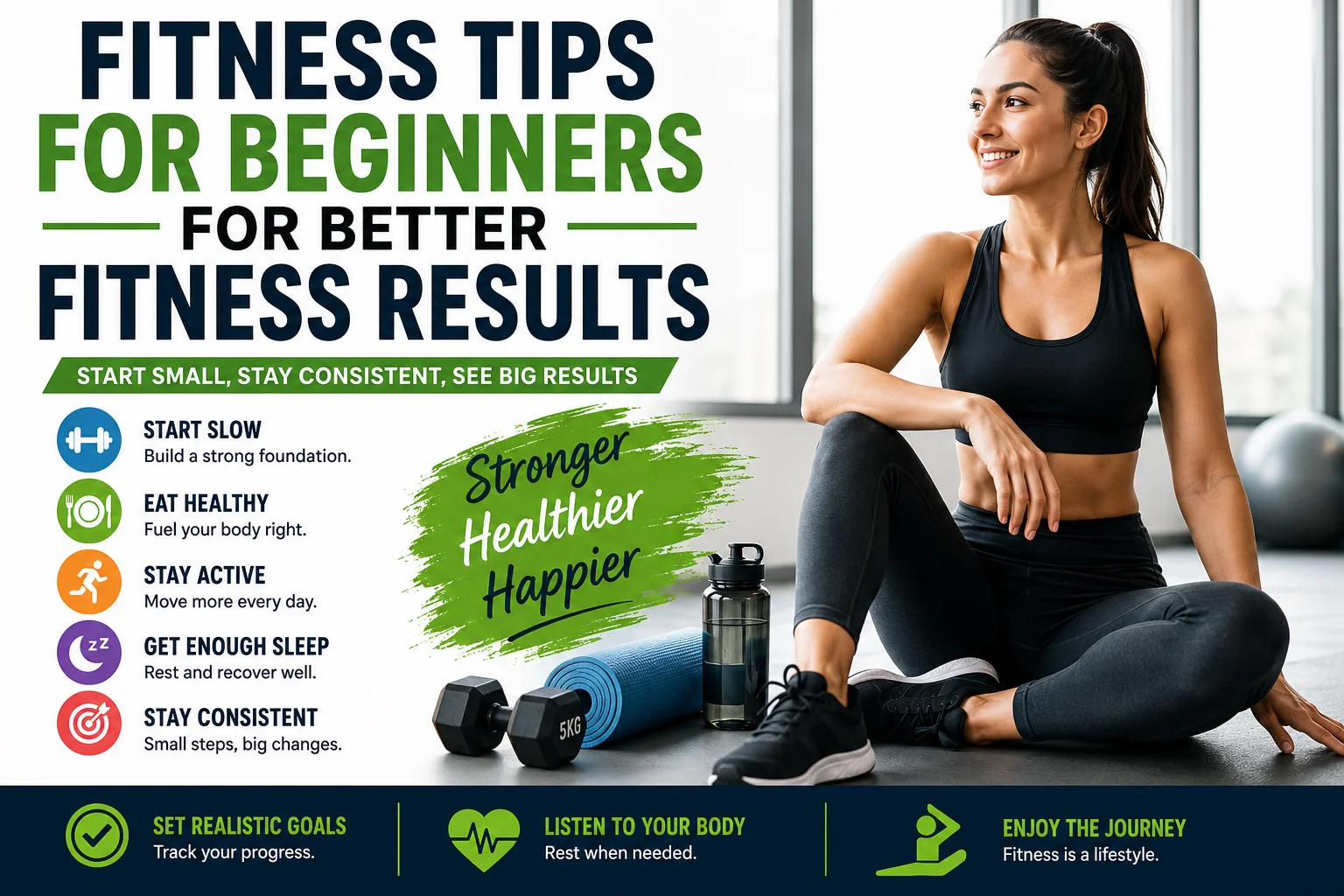
Fitness Tips for Beginners are the foundation of building a healthier, stronger, and more active lifestyle. Starting a fitness journey can feel overwhelming, but with the right approach, anyone can achieve lasting results. Whether your goal is to lose weight, improve stamina, gain strength, or simply feel more energetic, consistency and smart habits are more important than perfection.
Fitness is not about spending hours in the gym or following complicated workout plans. It is about making small, sustainable changes that become part of your daily routine. This guide covers practical tips that will help beginners stay motivated, avoid common mistakes, and see better fitness results over time.
Why Beginners Should Start Slowly
One of the biggest mistakes beginners make is trying to do too much too soon. Intense workouts without proper preparation can lead to fatigue, soreness, and even injuries. Starting slowly allows your muscles, joints, and cardiovascular system to adapt to increased physical activity.
Begin with 20 to 30 minutes of exercise three to five times a week. As your endurance improves, you can gradually increase workout intensity and duration.
Benefits of starting slowly include:
- Reduced risk of injury
- Better recovery
- Improved consistency
- Increased confidence
- Long-term progress
Set Realistic Fitness Goals
Clear goals provide direction and motivation. Instead of aiming for unrealistic transformations, focus on achievable milestones.
Examples of beginner-friendly goals include:
- Walking 8,000 steps daily
- Exercising four days each week
- Drinking enough water every day
- Completing a 20-minute workout consistently
- Improving flexibility over one month
Tracking small achievements keeps you motivated and helps you measure progress.
Always Warm Up Before Exercising
A proper warm-up prepares your body for movement by increasing blood circulation and loosening muscles.
Simple warm-up activities include:
- Arm circles
- Leg swings
- Light jogging
- Jumping jacks
- Dynamic stretching
Spend at least five to ten minutes warming up before every workout.
Focus on Correct Exercise Form
Proper form is more important than lifting heavy weights or performing exercises quickly. Incorrect technique can reduce effectiveness and increase injury risk.
If you're unsure about an exercise:
- Watch reliable instructional videos.
- Practice without weights first.
- Move slowly and maintain control.
- Stop immediately if you experience sharp pain.
Quality repetitions produce better results than rushing through workouts.
Include Strength Training
Many beginners focus only on cardio, but strength training is equally important. Building muscle increases metabolism, improves posture, strengthens bones, and enhances overall fitness.
Basic strength exercises include:
- Squats
- Push-ups
- Lunges
- Planks
- Glute bridges
- Dumbbell rows
Perform strength training two or three times weekly while allowing muscles adequate recovery.
Don't Ignore Cardio
Cardiovascular exercise strengthens the heart, improves endurance, and burns calories.
Beginner-friendly cardio options include:
- Walking
- Cycling
- Swimming
- Dancing
- Brisk hiking
- Light jogging
Aim for at least 150 minutes of moderate cardio every week.
Eat Balanced and Nutritious Meals
Exercise alone cannot produce optimal results without proper nutrition.
Your meals should include:
- Lean protein
- Whole grains
- Fresh vegetables
- Fruits
- Healthy fats
- Plenty of water
Avoid excessive processed foods, sugary drinks, and frequent fast food consumption.
Good nutrition supports recovery, muscle growth, and sustained energy.
Stay Hydrated Throughout the Day
Water is essential for every body function, especially during physical activity.
Hydration benefits include:
- Better performance
- Improved recovery
- Temperature regulation
- Reduced fatigue
- Healthier joints
Drink water before, during, and after workouts.
Get Enough Quality Sleep
Sleep is when your body repairs muscles and restores energy.
Adults should aim for seven to nine hours of quality sleep each night.
Poor sleep may lead to:
- Reduced performance
- Increased cravings
- Slower recovery
- Lower motivation
- Higher injury risk
Creating a consistent bedtime routine improves both health and fitness performance.
Track Your Progress
Monitoring improvements helps maintain motivation.
Track:
- Body measurements
- Workout duration
- Strength improvements
- Weight changes
- Energy levels
- Progress photos
Celebrate improvements beyond the number on the scale.
Stay Consistent
Consistency beats perfection every time.
Missing one workout isn't a failure. The key is getting back on track immediately instead of giving up completely.
Build habits by scheduling workouts just like important appointments.
Remember that fitness is a lifelong journey rather than a short-term challenge.
Avoid Comparing Yourself With Others
Everyone starts at a different fitness level.
Comparing your progress with experienced athletes or social media influencers can reduce motivation.
Instead, compare yourself with where you were last month.
Focus on becoming stronger, healthier, and more confident at your own pace.
Listen to Your Body
Your body provides valuable feedback.
Signs you need additional rest include:
- Extreme fatigue
- Persistent soreness
- Joint pain
- Poor sleep
- Reduced workout performance
Rest days are an important part of every successful fitness plan.
Include Flexibility and Mobility Exercises
Stretching improves mobility, reduces stiffness, and enhances movement quality.
Helpful flexibility exercises include:
- Hamstring stretches
- Hip stretches
- Shoulder mobility drills
- Cat-cow stretches
- Child's pose
Stretch after every workout while muscles are still warm.
Find Activities You Enjoy
Exercise should be enjoyable rather than feeling like punishment.
Experiment with different activities such as:
- Yoga
- Cycling
- Hiking
- Swimming
- Dance workouts
- Martial arts
- Group fitness classes
When you enjoy your workouts, consistency becomes much easier.
Fuel Recovery Properly
Recovery is just as important as training.
Support recovery by:
- Eating protein after workouts
- Drinking enough water
- Sleeping well
- Stretching regularly
- Taking recovery days
A recovered body performs better during future workouts.
Build Healthy Daily Habits
Fitness success comes from daily choices.
Simple healthy habits include:
- Taking stairs instead of elevators
- Walking after meals
- Standing up regularly if working at a desk
- Preparing healthy meals
- Limiting screen time before bed
Small improvements made consistently create significant long-term results.
Stay Motivated During Your Journey
Motivation naturally rises and falls.
Maintain momentum by:
- Setting monthly goals
- Rewarding progress
- Exercising with friends
- Listening to motivating music
- Trying new workouts
Discipline often matters more than motivation.
Common Beginner Mistakes to Avoid
Many beginners unknowingly slow their progress.
Avoid these common mistakes:
- Skipping warm-ups
- Ignoring rest days
- Using poor exercise form
- Eating too little
- Expecting immediate results
- Changing workout plans every week
- Staying inconsistent
Learning from these mistakes helps you progress more efficiently.
Creating a Sustainable Lifestyle
Fitness should become part of your lifestyle rather than a temporary challenge. Build routines that fit your schedule and personal preferences. Even a simple Fitness Routine at Home can deliver excellent results when performed consistently. You do not need expensive equipment or a gym membership to improve your health. Regular bodyweight exercises, balanced nutrition, and daily movement can transform your fitness over time.
Conclusion
Starting your fitness journey does not require perfection—it requires commitment. By following these Fitness Tips for Beginners, setting realistic goals, eating nutritious foods, staying active, and remaining consistent, you can build habits that lead to lasting success. Progress may seem slow in the beginning, but every workout, healthy meal, and positive choice brings you closer to better fitness results. Stay patient, trust the process, and remember that small daily improvements eventually create remarkable long-term transformations.