Sign up with Google
 Sign in with Zoho

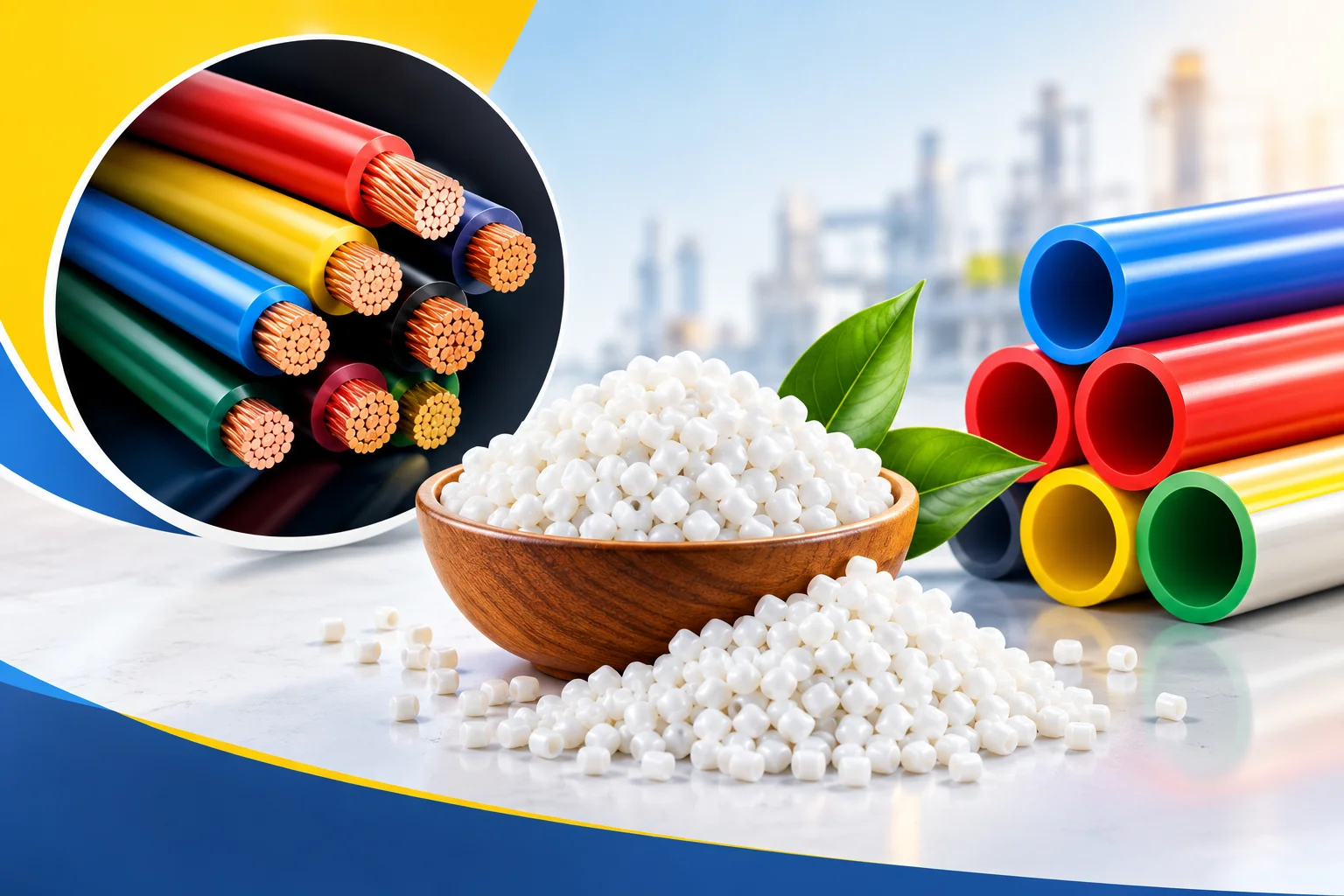
PVC pipes are essential in plumbing, drainage, irrigation, agriculture, electrical installations, and infrastructure development. Their strength, durability, and affordability make them suitable for a wide range of applications. However, manufacturers often struggle to maintain consistent product quality due to issues such as uneven wall thickness, discoloration, poor surface finish, and dimensional variations. These problems can increase material waste, affect production efficiency, and reduce customer satisfaction. Maintaining stable manufacturing conditions is therefore essential for producing reliable PVC pipes.
Selecting suitable One Pack Pipe Stabilizers is an important step toward improving PVC processing consistency. These stabilizers help protect PVC from heat-related degradation during extrusion and can support consistent material performance when correctly formulated. By combining an appropriate stabilization system with effective production controls, manufacturers can minimize common processing issues and improve finished pipe quality. Understanding the main causes of manufacturing inconsistencies makes it easier to identify practical solutions.
1. Choose Consistent Raw Materials
Raw material quality directly influences the strength, appearance, and processing behavior of PVC pipes. Differences in resin quality, filler content, lubricants, pigments, and additives can create variations between production batches.
For example, inconsistent raw materials may affect fusion, impact resistance, and surface appearance. Poor storage conditions can also introduce moisture or contamination that interferes with production.
Practical solutions include:
- Source PVC resin and additives from dependable suppliers.
- Check material specifications before accepting deliveries.
- Maintain consistent raw material grades across batches.
- Store ingredients in clean, dry conditions.
- Inspect materials before releasing them for production.
A standardized purchasing and inspection process helps reduce unnecessary variations and improves manufacturing reliability.
2. Improve Heat Stabilization During Processing
PVC requires careful heat management because excessive heat exposure can cause thermal degradation. This may lead to discoloration, reduced material performance, and other processing defects.
Manufacturers should select stabilizers according to their formulation, extrusion equipment, processing temperatures, and intended pipe application. A compatible stabilizer system helps maintain material stability during processing.
One Pack Pipe Stabilizers can simplify additive handling by combining compatible stabilization and processing components in a pre-formulated package. Depending on the grade, these products may help manufacturers achieve more consistent processing conditions and reduce formulation-related variations.
However, stabilizer selection should always be supported by formulation trials and appropriate production testing.
3. Maintain Accurate Temperature Settings
Temperature fluctuations can create significant problems during PVC extrusion. Excessive heat may damage the material, while insufficient heat can prevent proper fusion and affect the quality of the finished pipe.
Manufacturers should establish suitable temperature settings for each heating zone based on the PVC formulation and equipment requirements.
To improve temperature control:
- Monitor barrel and die temperatures regularly.
- Calibrate temperature sensors periodically.
- Avoid sudden changes to processing settings.
- Inspect equipment for material buildup and excessive friction.
- Maintain temperature records for each production batch.
Consistent temperature management supports stable processing, better surface appearance, and reduced material waste.
4. Standardize Mixing and Formulation
Inconsistent mixing can cause uneven additive distribution, affecting thermal stability, lubrication, color, and fusion. Even when high-quality ingredients are used, variations in weighing or mixing procedures may lead to inconsistent results.
Manufacturers should follow a standardized formulation for every production batch. Accurate weighing, consistent ingredient sequencing, and controlled mixing times help maintain uniformity.
Regular equipment inspections are also important. Mixing systems should be checked to ensure that they operate within the established temperature and speed ranges.
Standardized mixing procedures reduce formulation errors and help manufacturers achieve predictable pipe quality.
5. Optimize Extrusion Speed and Equipment Maintenance
Extrusion speed influences material residence time, fusion, and overall production performance. If the line operates outside the suitable processing range, manufacturers may experience poor surface finish, inconsistent output, or material degradation.
Equipment condition also plays an important role. Worn screws, damaged dies, and inefficient cooling systems can affect pipe dimensions and product consistency.
Manufacturers should establish preventive maintenance schedules, inspect critical components, and monitor screw speed and material feed rates. Keeping equipment in good condition helps reduce unexpected breakdowns and supports stable production.
6. Control Pipe Dimensions and Cooling
PVC pipes must meet specified requirements for diameter, wall thickness, roundness, and length. Dimensional variations can create installation difficulties and affect the reliability of pipe connections.
Accurate calibration and controlled cooling help maintain these dimensions. Uneven cooling can cause deformation, residual stress, or dimensional instability.
Manufacturers should use calibrated measuring instruments and inspect pipe dimensions throughout production. They should also maintain vacuum calibration tanks, cooling tanks, and haul-off systems to ensure consistent operation.
These measures help minimize rejected products and maintain dependable manufacturing standards.
7. Conduct Regular Quality Inspections
Quality testing should be integrated into every important stage of PVC pipe production. Relying only on final inspections can allow defects to continue unnoticed for extended periods.
Depending on the product type and applicable standards, manufacturers should evaluate:
- Surface appearance and finish
- Outer diameter and wall thickness
- Impact resistance
- Hydrostatic pressure performance
- Vicat softening temperature, where applicable
- Relevant dimensional and material requirements
Maintaining inspection records allows manufacturers to identify recurring problems and trace them to specific materials, formulations, or operating conditions.
Conclusion
Consistent PVC pipe quality depends on reliable raw materials, appropriate heat stabilization, accurate temperature control, standardized mixing, efficient extrusion, and regular quality testing.
Selecting suitable One Pack Pipe Stabilizers can support thermal stability and simplify additive management when the formulation matches the manufacturing requirements. By combining the right stabilizer system with preventive maintenance and controlled production procedures, manufacturers can reduce defects, improve processing consistency, and produce PVC pipes that meet the required quality standards.