Sign up with Google
 Sign in with Zoho

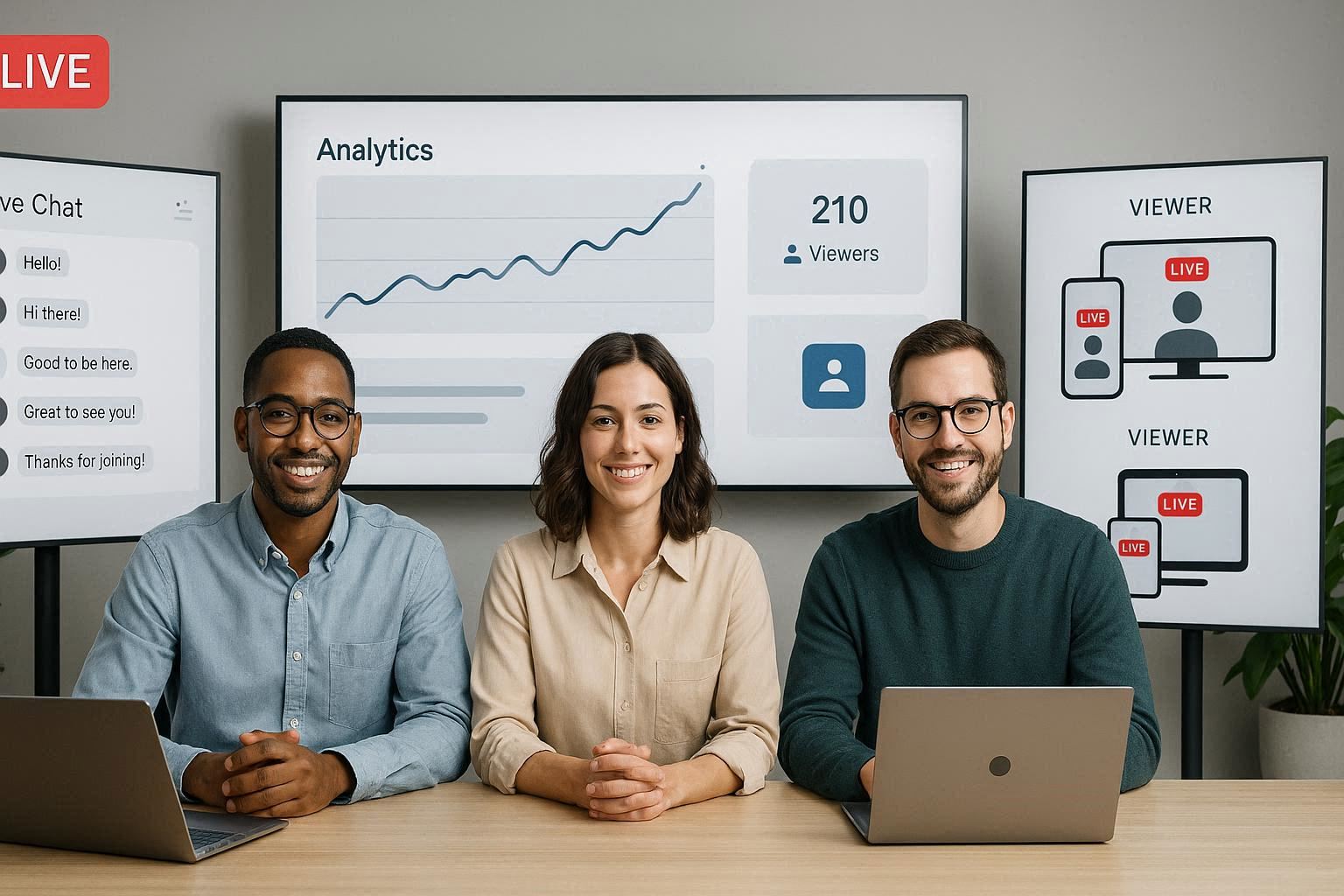
In 2026, attention is the most valuable currency online—and live video is how brands earn it. Algorithms now prioritize real-time content, audiences expect instant access, and buyers trust what they can see and interact with in the moment.
If you’re still relying only on static posts and pre-recorded clips, you’re already behind the curve. The next wave of digital growth will belong to brands that treat live video as a core part of their marketing, sales, and customer experience stack.
Why “Going Live” Is No Longer Optional
Live video has evolved from a “nice-to-have” to a strategic necessity:
- Viewers spend more time on live video than on on-demand clips.
- Real-time chats, Q&A, and polls turn passive viewers into active participants.
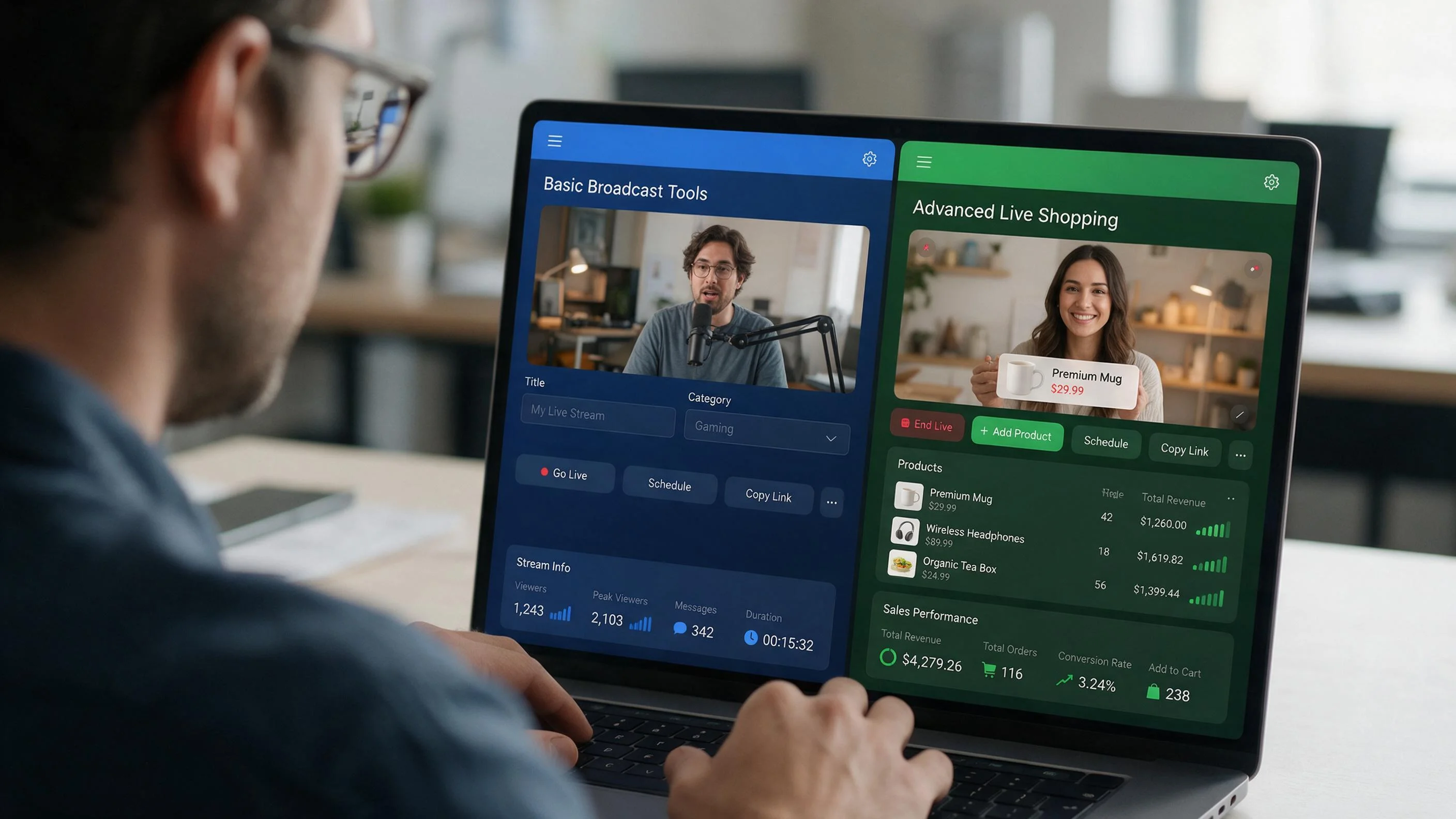
- Shoppable streams convert directly, shortening the path from discovery to purchase.
Modern audiences want transparency, immediacy, and interaction. That’s exactly what a robust live streaming service can deliver—if it’s built for where the market is heading, not just where it’s been.
What to Look For in a Future-Proof Live Platform
As you evaluate platforms, think beyond “Can I go live?” and ask, “Can I scale this across my entire digital ecosystem?” Look for:
1. Ultra-Low Latency & Reliability
Buffering kills trust and conversions. You need:
- Sub-second or near-real-time latency
- Adaptive bitrate streaming for varied network conditions
- Cloud-native architecture for handling traffic spikes during big launches or events
2. Built-In Engagement Tools
The next generation of live experiences is fully interactive. Prioritize:
- Live chat, polls, and reactions
- On-screen comments and questions
- Co-hosting, guest appearances, and picture-in-picture
These features keep audiences watching—and give you richer insight into what they care about.
3. Monetization & Analytics
Treat live video as a revenue center, not just a content channel. Essential capabilities include:
- Pay-per-view, subscriptions, and memberships
- Coupon drops and in-stream product links
- Detailed analytics on watch time, drop-off points, and engagement
4. Security, Compliance & Brand Control
With more regulated industries embracing live video—healthcare, finance, education—you’ll need:
- DRM and secure streaming
- Granular access controls (public, private, internal)
- White-labeled experiences under your own domain and branding
Don’t Ignore the Phone‑First Audience
By 2026, most live views are happening on phones, not desktops. Your strategy has to be mobile‑first, not mobile‑friendly. A dedicated Live streaming app for mobile lets you:
- Reach users anywhere, on the device they use most
- Send push notifications for live events and product drops
- Offer smoother performance than browser-based viewing on smaller screens
This is crucial if your audience skews younger, global, or spends much of the day on the move.
How Brands Are Using Live Video Right Now
Here are practical, high-impact ways companies are using live streaming to grow in 2026:
- Product launches & drops – Real-time reveals, demos, and live Q&A.
- Live shopping shows – Hosts showcase products while viewers buy instantly.
- Virtual & hybrid events – Conferences, keynotes, and town halls scaled worldwide.
- Customer education – Webinars, onboarding sessions, and live tutorials.
- Behind-the-scenes content – Factory tours, studio sessions, and culture moments that build trust.
The common thread: real-time connection at scale.
Final Thoughts: Build Once, Stream Everywhere
The brands that win in 2026 will treat live video not as a campaign, but as infrastructure—embedded into marketing, sales, support, and community.
Choose technology that lets you create once and distribute everywhere: web, mobile, smart TVs, and beyond. Do that, and live streaming stops being “just content” and becomes a sustainable engine for attention, trust, and revenue.