Sign up with Google
 Sign in with Zoho

Urban expansion and smart city initiatives demand infrastructure solutions that are efficient, sustainable, and minimally disruptive. Traditional excavation methods often lead to traffic congestion, environmental damage, and costly surface restoration. Today, advanced trenchless technologies are transforming how utilities and pipelines are installed beneath highways and busy streets. One of the most effective approaches is Non-Destructive Road Crossing, a method designed to protect existing road structures while enabling seamless underground installations.
Why Modern Projects Prefer Trenchless Methods
As cities grow denser, the need for underground utilities such as water pipelines, fiber optic cables, and gas lines increases. However, open-cut digging is no longer practical in heavily trafficked areas. Modern engineering now focuses on techniques that preserve surface integrity while ensuring precision below ground.
Key Benefits of Non-Destructive Techniques
- Minimal Traffic Disruption
Roads remain operational during installation, reducing inconvenience for commuters and businesses.
- Protection of Existing Infrastructure
Underground utilities, drainage systems, and road foundations are safeguarded from accidental damage.
- Cost Efficiency Over Time
Although the initial setup may require specialized equipment, savings from reduced restoration and downtime make it economical.
- Environmental Sustainability
Lower excavation volumes mean less soil displacement and minimal ecological impact.
Common Techniques Used in Road Crossings
Modern infrastructure projects rely on advanced machinery and technical expertise to execute trenchless installations effectively.
1. Horizontal Directional Drilling (HDD)
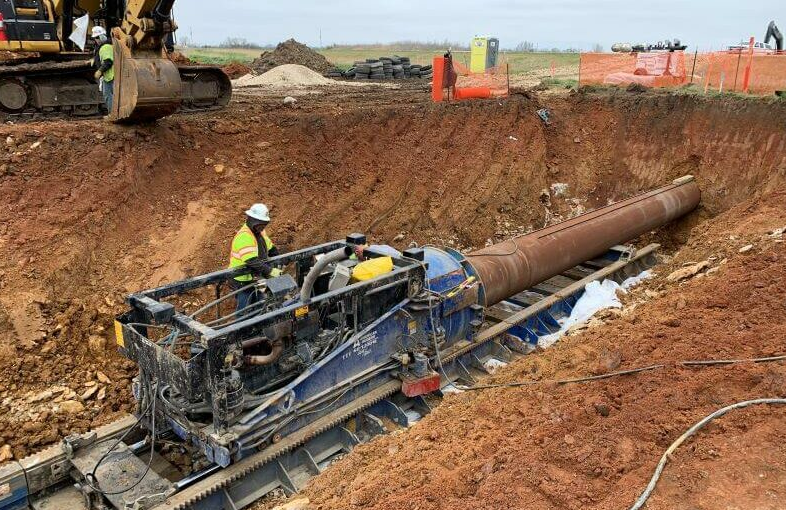
HDD is widely used for installing pipelines and conduits beneath roads without surface excavation. A pilot bore is first drilled along a planned path, followed by reaming and pipe pulling. This method ensures accuracy while maintaining road stability.
2. Auger Boring
Auger boring involves drilling a horizontal hole while simultaneously installing casing pipes. It is particularly suitable for short to medium-length crossings and offers excellent alignment control.
3. Microtunneling
This remote-controlled technique is ideal for projects requiring extreme precision. It uses guided systems to install pipelines beneath major highways or railway lines with minimal ground disturbance.
Applications in Modern Infrastructure
Non-destructive crossing solutions are widely applied in:
- Utility pipeline installations
- Telecommunication network expansion
- Sewer and drainage system development
- Oil and gas pipeline projects
These methods ensure that infrastructure upgrades can proceed without compromising public safety or road quality.
Engineering Expertise Makes the Difference
While advanced machinery is essential, the success of trenchless operations depends on careful planning, soil analysis, and experienced professionals. Site assessment, accurate bore path design, and risk management are crucial elements in achieving optimal outcomes. Skilled operators ensure alignment precision and structural integrity throughout the project lifecycle.
Final Thoughts
As infrastructure demands continue to rise, adopting smarter construction techniques becomes essential. Non-Destructive Road Crossing represents a forward-thinking solution that balances efficiency, safety, and sustainability. By minimizing disruption and preserving existing road structures, these methods support long-term urban development goals. At www.inframaxuae.co, industry-leading expertise and advanced trenchless technologies help deliver reliable underground solutions tailored to modern infrastructure challenges.