Sign up with Google
 Sign in with Zoho

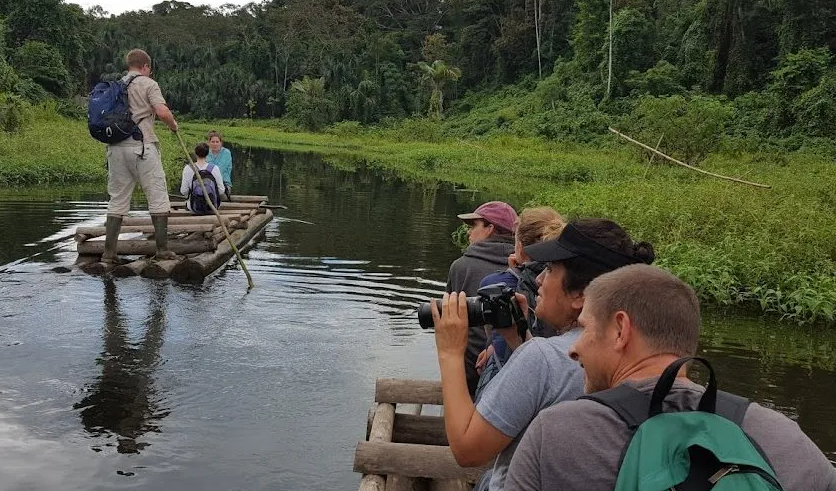
Deep in the Peruvian Amazon, one of nature’s most breathtaking spectacles unfolds at sunrise. Hundreds of brilliantly colored parrots and macaws gather along riverbanks to feed on mineral-rich clay, creating a vibrant display of sound and motion. Witnessing the Macaw clay lickManu Birding tour experience is a dream for bird enthusiasts, wildlife photographers, and nature lovers seeking an authentic Amazon adventure.
1. Understanding the Magic of the Clay Lick
Clay licks are exposed riverbank formations rich in essential minerals. Macaws and parrots consume the clay to neutralize toxins found in unripe fruits and seeds. This daily ritual not only supports their health but also provides visitors with an extraordinary wildlife encounter.
The sight of scarlet, blue-and-yellow, and red-and-green macaws descending in groups is unforgettable. Their synchronized movements, vibrant feathers, and loud calls create a sensory experience unlike any other in the rainforest.
Planning Your Visit
- A successful journey begins with thoughtful preparation. The Manu region is remote and ecologically sensitive, so guided tours ensure both safety and environmental responsibility.
Best Time to Go
- Early mornings offer the most activity, as birds gather shortly after sunrise.
- The dry season (May to October) generally provides clearer viewing conditions and easier river navigation.
What to Bring
- Lightweight, breathable clothing in neutral colors
- Binoculars and a quality camera with zoom lens
- Insect repellent and sun protection
- Waterproof gear for river travel
Proper preparation enhances comfort and maximizes your wildlife viewing opportunities.
2. What to Expect on the Tour
A typical birding journey begins with river travel by motorized canoe, gliding through mist-covered waterways surrounded by towering rainforest trees. Along the way, visitors may spot capybaras, caimans, monkeys, and countless bird species.
Upon arrival near the clay lick, guides position guests at a respectful distance to avoid disturbing the birds. Patience is essential. Often, smaller parrots arrive first, testing the safety of the area. Soon after, the larger macaws appear in dramatic flocks.
The spectacle can last from 30 minutes to over an hour, depending on weather and environmental conditions. Knowledgeable guides provide insights into bird behavior, ecology, and conservation efforts in the Manu Biosphere Reserve.
Responsible Wildlife Viewing
Sustainable tourism plays a vital role in protecting the Amazon ecosystem. Ethical tour operators prioritize:
- Maintaining safe viewing distances
- Limiting group sizes
- Supporting local communities
- Promoting conservation awareness
Visitors are encouraged to follow guide instructions carefully, avoid loud noises, and respect the fragile environment.
3. Why Manu Is a Birding Paradise
Manu National Park is considered one of the most biodiverse regions on Earth. With over 1,000 bird species recorded, it offers unmatched opportunities for both amateur and professional birdwatchers. Beyond macaws, travelers may encounter toucans, hoatzins, hummingbirds, and harpy eagles.
Final Thoughts
Experiencing the vibrant gathering at a clay lick is more than a wildlife excursion—it is a profound connection with one of the planet’s richest ecosystems. The combination of expert guidance, pristine rainforest landscapes, and remarkable birdlife makes this journey truly unforgettable. At Green Amazon Tours Peru, expertly guided adventures provide safe, immersive opportunities to witness the Amazon’s natural wonders while supporting sustainable conservation practices.












.webp)