Sign up with Google
 Sign in with Zoho
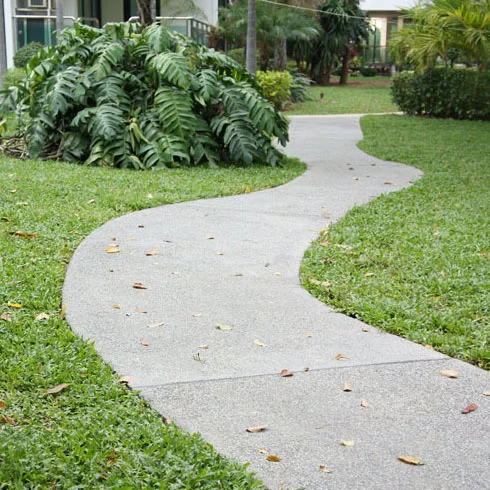
A pathway can look level to the eye and still end up with a slight dip somewhere along its length, the kind of thing that only shows up after the first heavy rain leaves a puddle right in the middle of it.
Catching that problem before the concrete goes in usually comes down to a tool as simple as a string stretched tight between two points. That's the basic notion behind how concrete pathway forming keeps a consistent grade from one end of a run to the other, and it can come in handy to have the knowledge of how this works.
In a Nutshell
● Why does a consistent grade matter for drainage and surface stability?
● How do stringlines and batter boards establish a reference point for height?
● What tools help confirm the string itself is set correctly?
How Does Concrete Pathway Formwork Level Grade with Stringlines?
Grade control sounds like a small detail next to the actual pour, but a run that drifts even slightly off level tends to create problems that show up well after the job is finished. Concrete pathway forming relies on a few straightforward tools to keep that from happening.
Sets Up Batter Boards & Reference String
Before any form goes in, crews typically set up small wooden frames, called batter boards, just beyond each end of the planned pathway. A string gets tied between these boards and pulled tight, marking the line and height the finished surface needs to follow along its full length.
The string is outside the work area and is undisturbed by digging or placing forms and can be checked and verified throughout the project without losing the original reference point.
This setup gives everyone on site the same fixed line to measure against, rather than each eyeballing grade independently and ending up with slightly different results by the end of the run.
Tools Used to Confirm the String Is Actually Level
A string that looks straight to the eye can still be off by enough to matter, so a few tools typically get used to double-check it:
● A line level, a small bubble level that clips directly onto the string to confirm it's sitting true.
● A laser level, which projects a flat reference plane across a longer distance than a string alone can easily cover.
● A simple tape measure, used to confirm consistent drop or rise along the string for proper drainage slope.
Combining a couple of these methods tends to catch errors that any single tool might miss on its own.
Transferring the Grade from String to Form
Once the string is confirmed level or set to the intended slope for drainage, that reference gets transferred down to the actual form boards using a measuring tool to maintain a consistent distance between the string and the top of the form.
This step is where small mistakes tend to creep in if someone rushes it, since a measurement taken carelessly at one point along the run can throw off the entire grade further down the line. Careful, consistent measurement at this stage is what really separates a pathway that drains properly from one that collects water in low spots over time.
Conclusion
Getting the grade right before a single form goes into the ground saves a lot of trouble compared to trying to fix drainage problems after the concrete has already cured. It's a step that takes patience more than any special skill, though consistency matters at every point along the line.
Moreover, it’s important to look for professionals such as the likes of “SMD Concrete Forming” when you’re out searching for a dependable commercial concrete contractor who gets these early details right.