Sign up with Google
 Sign in with Zoho
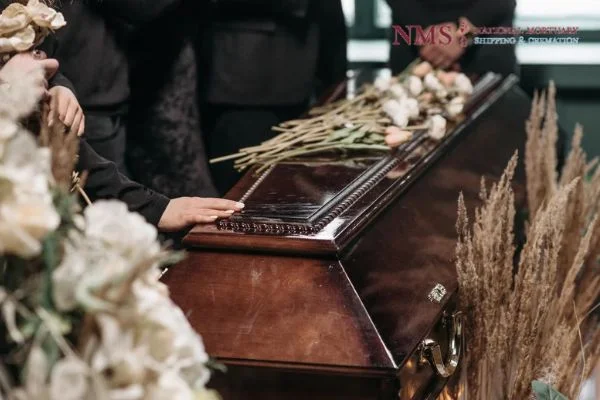
Final arrangements for a deceased loved one, including funerals, transport and burial, can be difficult to co-ordinate. This challenge can be further increased if the death occurred in different city or state, and the individual needs to be brought back to be buried.
Full mortuary services, and burial ceremony arrangements can allow for more ease during this difficult time. Through a funeral/mortuary service, families can be supported with necessary arrangements, whilst ensuring the deceased is respected, cared for and given dignity.
Understanding Complete Mortuary Solutions
Complete mortuary solutions refer to a range of services designed to assist families and funeral professionals with the preparation, handling, transportation, and coordination of deceased individuals.
These services simplify funeral-related responsibilities by bringing together different aspects of mortuary care.
Common services include:
Transporting the deceased within the country. Transporting across international borders. Assisting with documentation (permits, certificates and transport permits). Preparing the deceased (embalming, preservation, etc). Co-ordinating with funeral homes and transporters.
By providing full mortuary services, families may save time and reduce stress during this difficult period.
What Are Graveside Service Arrangements?
Graveside service arrangements involve organizing a funeral ceremony directly at the burial location. Unlike traditional funeral services conducted inside a funeral home or place of worship, graveside ceremonies take place at the cemetery.
These services may be held independently or following a traditional funeral ceremony.
Families often choose graveside services because they offer a personal and meaningful opportunity to say goodbye in a peaceful setting.
A graveside service may include religious prayers, memorial readings, music, floral arrangements, and personal tributes.
The ceremony can be customized according to the family's cultural traditions, religious beliefs, and individual preferences.
Key Considerations
To make arrangements to have a burial ceremony, several key considerations need to be made. These will usually be discussed with a funeral home, along with representatives from a cemetery.
Location of Burial
Families may already have allocated space for a burial. However, if not, families may need support in choosing a suitable option. It is also important to be aware of any rules and availability within the chosen cemetery.
Co-ordinating with the Funeral Home
Families can have support with the timing of the burial, and communication with the cemetery from a funeral home. The funeral home can provide guidance.
If the deceased has died in a different state or city, transport should be arranged early so that the deceased can be brought to the burial location on time.
Required Documentation
Families may need to complete documents for the burial. This may include a death certificate, burial permit and transport permit. This depends on local regulations.
Completing documentation in advance can reduce delays in the process.
Personalising
Families may wish to personalise the burial by including specific prayers, music, readings, flower arrangements and memorials. This can reflect the personality, beliefs and memories of the deceased.
Cultural and Religious considerations
The burial ceremony can be adapted to represent the deceased persons faith, culture and personal traditions. This creates a meaningful farewell.
Important Considerations when Arranging
There are several considerations to make when arranging a burial ceremony. Families often make these in conjunction with a funeral home, and representatives from a cemetery.
Burial Location
As above, choose a location for the burial. If a family do not already have allocated space for a burial, support may be needed to find a suitable space. It is important to be aware of any rules and availability at the cemetery.
Working with a Funeral Home
A funeral home can help to plan the timing of the burials, and liaise with representatives of the cemetery. They can also provide guidance.
If the deceased has died in a different city/state, transport should be planned early to ensure they arrive at the burial location in time.
Required Documentation
As above, a number of documents may be required for the burial to take place. This can depend on local regulations, but may include death certificates, burial permits and transport permits.
Making arrangements in advance can help reduce delays.
Personalisation
As above, people may wish to personalise the ceremony. Including specific prayers, music, readings, flower arrangements or memorials can allow families to create a truly personal tribute. This can reflect the personality, beliefs and memories of the deceased.
Double Check Arrangements
Before the burial, ensure that you are happy with the time of the burial, timing of transport, requirements from the cemetery, and any specific requests. Making sure that everyone is aware of these details will allow for a smooth ceremony.
Support in Providing Burial Ceremonies
Mortuary transport is very important in allowing burial ceremonies to happen.
For example, if someone has passed away in California, but their family wishes to have the burial in Texas, the body will have to be transported from California to Texas in order for the burial ceremony to occur.
Depending on how far away the locations are, transport could be arranged via land transport or air freight.
In addition to transport, correct preparation in line with regulations, documentation, permission and communication between both the sending and receiving funeral homes should be considered.
By having a professional co-ordination of mortuary transport, families can be relieved of this additional pressure.
National Mortuary Shipping provides support and information on both national and international mortuary transport to assist families and funeral professionals.
Positive Impacts of Professional Mortuary and Burial Ceremony Support
Arranging a funeral can be very complicated, especially if transport and burial services in different locations are involved. Having support from professionals can ease this process.
Positive impacts include:
Less Administrative Pressure: With support from professionals, families will not have to manage as much documentation, transporting and burial requirements.
Improved Organisation: As funeral homes, cemeteries and transporters can be communicated with, arrangements can be well organised.
Respectful Treatment: Correct preparation and transport mean that the deceased will be treated with dignity.
Easier Decision Making: Knowing dates, required documentation and cemetery requirements means families can feel confident in making decisions.
Meaningful Tributes: As arrangements can be made by professionals, families can spend more time considering how to make a meaningful tribute for their loved one.
Choosing the Right Mortuary Service Provider
When choosing a mortuary service provider (especially in cases involving long distance transport or multiple service providers), it is important to think carefully.
Consider their experience, level of communication, availability and cost. It can be useful to know what is included in the total cost of the service requested, and if extra costs may arise from preparation, documentation, transport and other arrangements.
It can be useful to confirm that the provider can co-ordinate with the sending and receiving funeral homes. If procedures, required documentation and timescales are clearly communicated this can help avoid confusion in the future.
Most importantly, choose a provider who understands the importance of treating each aspect of these arrangements with care, patience and respect.
Conclusion
Making arrangements for a funeral can be very difficult and emotional. Full mortuary services and burial ceremony arrangements can make the transport, documentation and burial planning processes easier for families.
By using appropriate support from professionals, people can make the required arrangements, in a respectful and meaningful way.
To find out more about mortuary transport and co-ordination, visit National Mortuary Shipping.