Sign up with Google
 Sign in with Zoho

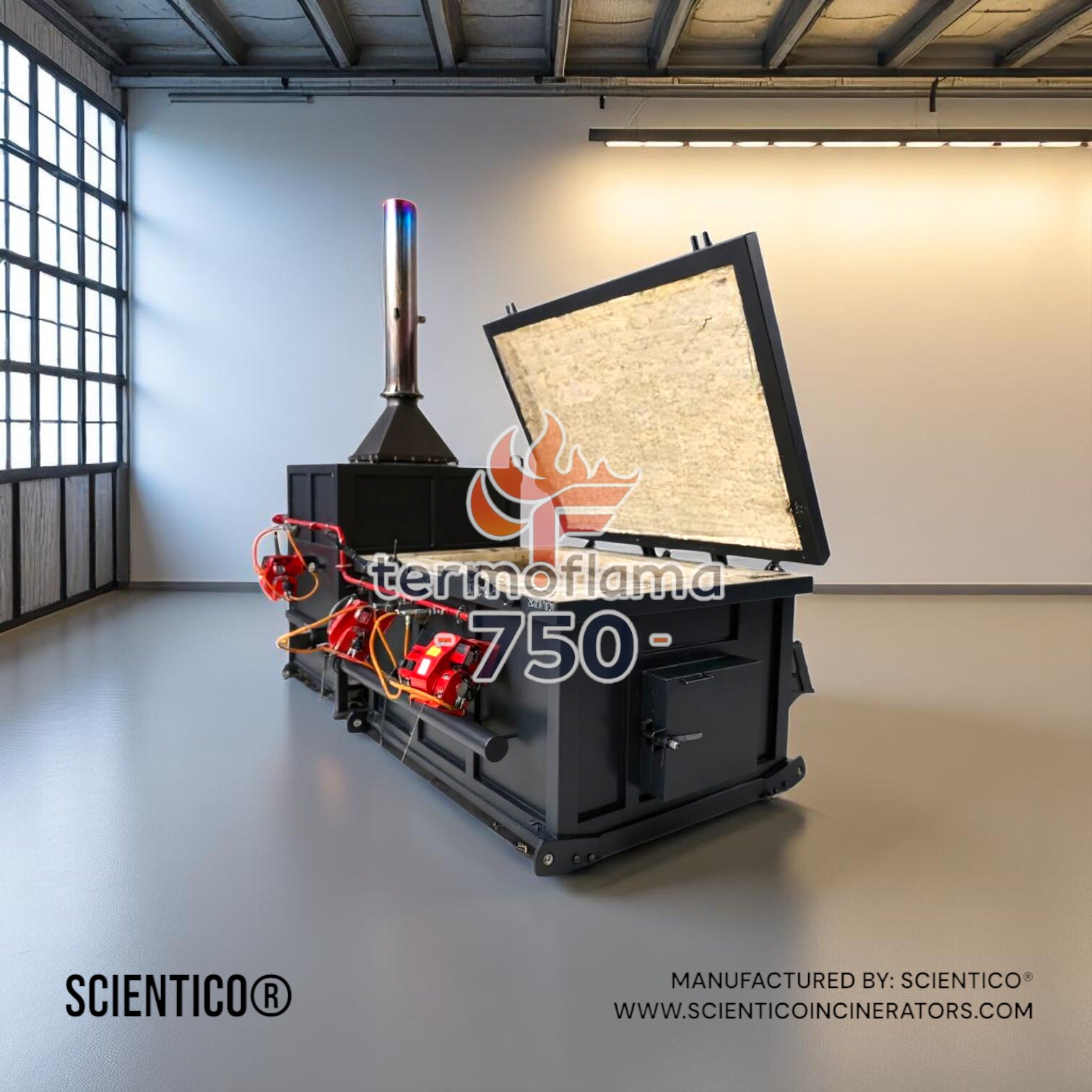
A small medical waste incinerator can provide a practical solution by allowing healthcare facilities to treat suitable waste on-site through controlled thermal destruction. Instead of depending entirely on external waste transportation and disposal services, facilities can establish a more controlled waste management process based on their operational requirements.
Why Proper Medical Waste Disposal Matters
Medical waste requires greater attention than ordinary household or commercial waste because some materials may contain infectious or hazardous components. Poorly managed healthcare waste can create risks for workers, patients, waste handlers, and the surrounding environment.
An appropriate disposal system helps healthcare organizations maintain cleaner working environments while reducing unnecessary accumulation and handling of potentially hazardous materials.
For smaller facilities, the challenge is often finding equipment that matches their actual waste generation rather than investing in a large industrial system. This is where compact incineration equipment can be useful.
The Growing Need for Compact Waste Treatment Systems
Across South America, healthcare facilities vary considerably in size and infrastructure. Large hospitals may generate substantial quantities of biomedical waste, while rural clinics, diagnostic laboratories, veterinary facilities, and smaller healthcare centers may have considerably lower daily volumes.
A high-capacity system may not always be appropriate for these applications. Compact equipment can provide a more suitable approach when waste volumes are limited and controlled on-site treatment is preferred.
A small medical waste incinerator can be considered for facilities looking for:
- Controlled treatment of appropriate medical waste
- Reduced dependence on off-site transportation
- A compact equipment footprint
- Easier integration into existing waste management procedures
- Reliable operation for smaller waste volumes
- A dedicated solution for healthcare-related waste
The actual suitability of an incinerator should always be determined according to the type and quantity of waste, local regulations, operating conditions, and required emission controls.
Important Factors When Choosing a Medical Waste Incinerator
Purchasing an incinerator is not simply a matter of selecting the smallest available machine. Healthcare operators should evaluate several technical and operational factors before making a decision.
1. Waste Volume
The first consideration is the amount of waste generated each day. Understanding average and peak waste volumes helps determine the appropriate treatment capacity.
Choosing equipment based on realistic waste generation can prevent both underutilization and operational bottlenecks.
2. Type of Waste
Different healthcare facilities produce different waste streams. Pathological waste, pharmaceutical materials, contaminated disposables, and other waste categories may have different treatment requirements.
Before selecting equipment, the facility should identify which waste streams are legally and technically suitable for incineration.
3. Combustion System
A properly engineered combustion system is important for achieving consistent thermal treatment. Dual-chamber designs, for example, can provide primary combustion followed by secondary treatment of combustion gases.
The operating configuration should be selected according to the waste characteristics and applicable environmental requirements.
4. Emission Management
Environmental performance is a major consideration when installing an incinerator. Buyers should evaluate available emission-control technologies and ensure that the proposed installation can meet the requirements applicable to their location.
Local environmental authorities may establish specific requirements relating to stack emissions, operating temperatures, monitoring, installation, and waste handling.
5. Ease of Operation
Healthcare facilities often have limited technical personnel. Equipment should therefore have an understandable operating system, appropriate safety mechanisms, and clear maintenance procedures.
Training and after-sales technical support can also play an important role in maintaining reliable operation.
Supporting Healthcare Facilities in South America
South American healthcare organizations may operate in very different environments, from large urban hospitals to smaller clinics serving remote communities. This diversity creates demand for waste management equipment that can be adapted to different operational requirements.
Scientico provides medical waste incineration solutions for healthcare and laboratory applications and supplies equipment to international markets, including South America. Its product range includes smaller systems as well as higher-capacity models for facilities with larger waste volumes.
The company's small medical waste incinerator is positioned for applications such as hospitals, clinics, and laboratories where a compact waste treatment solution is required. The company also states that its medical incineration range is supplied across South America, Africa, the Middle East, and Asia-Pacific.
Benefits of Selecting the Right Equipment
The right incineration system can become an important part of a facility's broader waste management strategy. When properly selected, installed, operated, and maintained, it can help healthcare organizations manage suitable waste more systematically.
Potential benefits include improved control over waste handling, reduced storage periods for appropriate waste streams, less dependence on external transportation, and a dedicated treatment process at the healthcare site.
However, incineration should not be viewed as a substitute for proper waste segregation. Healthcare facilities should continue to separate waste at the point of generation and follow applicable procedures for recyclable, sharps, infectious, pharmaceutical, chemical, and other waste categories.
Looking Toward More Responsible Medical Waste Management
Healthcare waste management is becoming increasingly important as medical services expand and facilities seek safer and more organized disposal practices. For smaller healthcare establishments, compact treatment equipment can offer an alternative to systems designed primarily for large hospitals.
The most effective approach is to select equipment based on actual waste characteristics, daily capacity requirements, environmental considerations, available infrastructure, and local regulations.
For healthcare organizations in South America evaluating compact treatment options, Scientico's small medical waste incinerator provides one potential solution for suitable medical waste applications. Its international supply experience and broader range of medical incineration systems allow facilities to consider equipment according to their individual waste management requirements.
A well-planned medical waste management strategy combines segregation, safe handling, appropriate treatment technology, trained personnel, and regulatory compliance. With these elements working together, healthcare facilities can create a more controlled and responsible approach to managing the waste generated by their daily operations.