Sign up with Google
 Sign in with Zoho

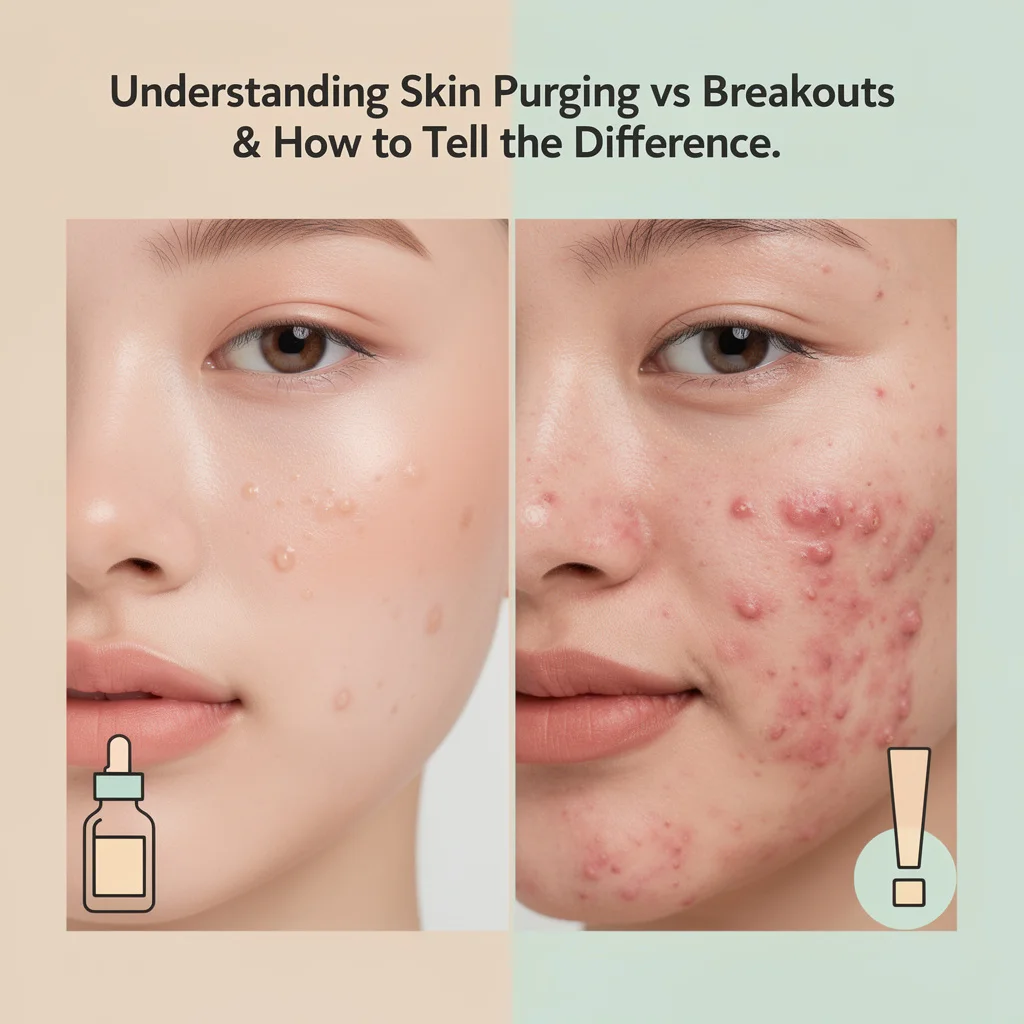
You just started a new skincare product, and a few days later, your skin breaks out. Naturally, your first thought is to stop using it right away. But before you toss that product aside, it is worth knowing that not every breakout after trying something new is actually a bad reaction. Sometimes, it is your skin purging, and understanding the difference can save you from giving up on a product that might actually be helping you.
What Skin Purging Really Means
Purging happens when a new product speeds up your skin's natural cell turnover process. Certain ingredients, especially ones like retinoids or exfoliating acids, push your skin to shed dead cells and clear out clogged pores faster than usual. The catch is, this process often brings existing buildup to the surface before it actually clears, which shows up as small breakouts in the short term.
The important thing to remember is that purging is temporary. It usually happens in areas where you already tend to break out, since that is where the congestion was already sitting under the surface, just waiting to come out eventually anyway.
What an Actual Breakout Looks Like
A regular breakout, on the other hand, happens because a product does not agree with your skin. This could mean it is too heavy, contains an ingredient your skin reacts badly to, or clogs your pores in a way that has nothing to do with speeding up cell turnover.
Unlike purging, real breakouts tend to show up in new areas, places you do not usually get pimples or irritation. They also tend to stick around longer, and instead of calming down after a few weeks, they often get worse the longer you continue using the product.
Key Differences
One of the easiest ways to tell them apart is by looking at timing. Purging usually starts fairly early after introducing a new active ingredient and settles down within a few weeks as your skin adjusts. A genuine breakout from irritation, on the other hand, does not follow this pattern, it just keeps showing up as long as you keep using the product, with no real sign of improvement.
Location also matters. Purging tends to happen in your usual trouble spots, the areas where you already deal with occasional breakouts. If pimples start appearing somewhere completely new, like along your jaw when you normally never break out there, it is more likely a reaction than a purge.
Texture is another clue. Purging often looks like small, similar bumps that come and go fairly quickly. A bad reaction can bring on bigger, more inflamed breakouts, along with symptoms like burning, itching, or visible redness that purging typically does not cause.
What to Do If You Think You Are Purging
If you believe your skin is purging, the best thing you can do is stay consistent, but also gentle. This is not the time to add more active ingredients or try to fix things with something stronger. Instead, focus on simple, calming basics that support your skin while it goes through this adjustment period.
A creamy face wash works well here, since it cleans your skin without stripping it further while it is already going through some stress from the new active ingredient. Skipping harsh, foaming cleansers during this phase helps avoid adding extra irritation on top of what your skin is already dealing with.
Alongside gentle cleansing, using a face moisturizer for skin breakouts that is lightweight and non comedogenic helps keep your skin hydrated without clogging pores further. Staying consistent with these basics, rather than switching products every few days out of frustration, gives your skin the best chance to actually get through the purging phase properly.
When It Is Time to Stop Using a Product
If weeks go by and things are not improving, or if your skin seems to be getting worse rather than settling down, it is a sign that what you are dealing with is likely a reaction, not purging. At this point, it makes sense to stop using the product and give your skin a break with a simple, calming routine until things settle.
There is no exact rule for how long purging should last, but most people notice improvement within four to six weeks. If you are still breaking out badly beyond that window, it is probably worth reconsidering whether that product actually suits your skin.
Final Thoughts
Purging and breakouts can look frustratingly similar at first, but paying attention to timing, location, and how your skin behaves over a few weeks makes it much easier to tell them apart. Sticking to gentle basics during this adjustment period, rather than panicking and switching products right away, often gives your skin the best chance to actually show you whether something is working or not. Sometimes a little patience is really all it takes to get through to clearer skin on the other side.