Sign up with Google
 Sign in with Zoho

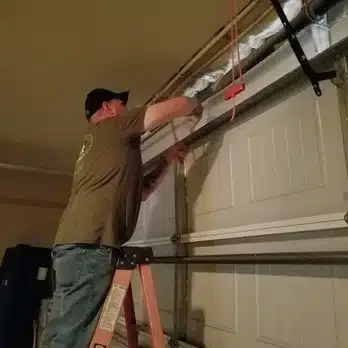
A garage door is a fixture that most homeowners utilize daily, yet it is often neglected until a problem arises. A door that emits strange noises, operates unevenly, or fails to close correctly may indicate a more significant mechanical issue.
Disregarding these warning signs can escalate a relatively straightforward repair into a more costly dilemma. Below are seven prevalent garage door problems that homeowners should address with urgency.
1. The Garage Door Emits Loud or Unusual Noises
Garage doors inherently produce some noise; however, unexpected grinding, squealing, popping, or banging sounds warrant attention.
These noises may stem from worn rollers, loose hardware, damaged springs, or other moving parts. Early identification of the source can help avert further damage to the door system.
For instance, a squeaking roller might represent a minor maintenance concern, while a loud popping noise could signal an issue with the torsion spring system.
## 2. The Door Opens or Closes Unevenly
A garage door should glide smoothly along its tracks. If one side operates faster than the other or the door appears misaligned during opening, there may be a problem with the tracks, cables, rollers, or springs.
Continuing to use an uneven door can impose extra stress on other components. In some cases, the door may become stuck or misaligned.
If the issue persists, it is advisable to have the system examined rather than repeatedly forcing the door to function.
## 3. The Garage Door Operates Very Slowly
A garage door that suddenly operates slower than normal may be facing mechanical or opener-related issues.
Potential causes include worn components, track issues, an aging garage door opener, or an imbalance in the door. Slow operation is particularly concerning if it coincides with unusual noises or jerky movements.
Homeowners should not assume that a decrease in speed is merely a natural consequence of an older garage door.
4. The Door Fails to Close Fully
A garage door that does not reach the ground can lead to security vulnerabilities and weather-related issues. This situation may also suggest a problem with the safety sensors, tracks, opener settings, or another component.
Begin by examining the sensor area for any obstructions. If no visible blockage is found and the issue persists, it may be necessary to seek professional inspection.
A garage door should close securely and consistently, rather than necessitating multiple attempts.
5. Observing Frayed Cables or Broken Springs
Garage door springs and cables are under considerable tension and are crucial for lifting and balancing the door.
Visible fraying, separation, or breakage should not be considered a DIY repair task. Attempting to fix or replace highly tensioned components without the proper training and equipment can lead to serious injury.
If you observe a broken spring or a damaged cable, ensure that individuals stay clear of the area and arrange for professional assistance.
6. The Door Shakes or Jerks During Movement
A garage door that shakes, jerks, or hesitates while in operation may have worn rollers, track issues, loose hardware, or a malfunctioning opener.
It is essential to recognize any deviation from normal operation. A garage door that once opened smoothly but now shakes or stops intermittently requires attention.
Neglecting the issue may allow a failing component to impose additional strain on other parts of the system.
7. The Garage Door Shows Visible Damage
Dents and cosmetic imperfections may appear minor, but significant damage can impact the door's functionality.
Bent panels can disrupt movement, while damaged tracks can hinder the rollers' proper travel. Severe impact damage may also compromise the door's structural integrity.
Following a vehicle collision, storm, or other significant incident, homeowners should have the door inspected before resuming normal use.
When Should You Contact a Professional?
Not every garage door issue necessitates immediate attention.



.webp)