Sign up with Google
 Sign in with Zoho

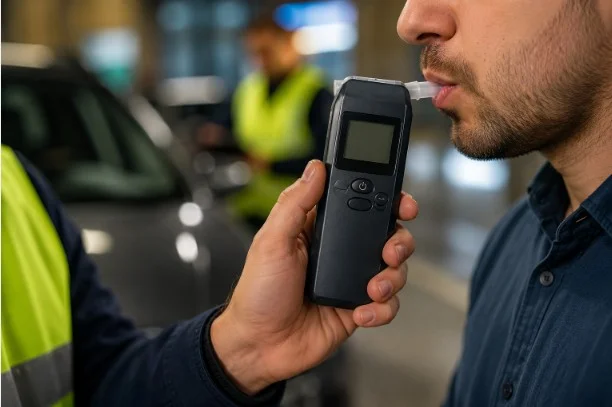
Safety is a top priority in industries where employees operate vehicles, machinery, or heavy equipment. Even a small lapse in judgment caused by alcohol consumption can lead to serious accidents, financial losses, and legal issues. As a result, many organizations have introduced routine alcohol screening as part of their safety programs.
An alcohol breath analyser offers a fast and convenient way to check whether a person is fit to drive or perform safety-sensitive tasks. These devices deliver quick results, helping employers take preventive action before potential risks become incidents.
Understanding an Alcohol Breath Analyser
An alcohol breath analyser is a portable electronic device that estimates the amount of alcohol present in a person's breath. Since alcohol in the breath closely reflects blood alcohol levels, the device provides an efficient method of screening without requiring invasive testing.
Modern devices are designed for speed, accuracy, and ease of use. Many models provide results within seconds, making them suitable for workplaces where quick decisions are necessary.
From transportation companies to manufacturing facilities, these tools have become an important part of workplace safety strategies.
How Breath Analysers Function
Breath analysers use advanced sensor technology to detect alcohol molecules in a person's breath sample. Depending on the device, sensors may include fuel-cell or semiconductor technology, both of which are designed to deliver reliable readings.
The testing process is straightforward.
Collecting the Breath Sample
The individual blows into the device for a few seconds until an adequate breath sample is collected.
Measuring Alcohol Levels
The internal sensor analyzes the sample and estimates the alcohol concentration.
Displaying the Result
Within moments, the device shows the reading, allowing supervisors or authorized personnel to determine whether additional action is needed.
Because the process is quick and simple, routine screening can be completed without interrupting daily operations.
Benefits of Alcohol Screening
Using breath-testing devices provides several advantages for organizations focused on maintaining a safe and productive environment.
Promotes Workplace Safety
Employees working in safety-critical roles need to remain alert throughout their shifts. Regular alcohol screening helps reduce the possibility of impaired performance and workplace accidents.
Supports Safer Driving
Businesses that operate commercial vehicles can verify that drivers are ready for duty before they begin their routes. This helps lower the risk of road incidents and protects both drivers and the public.
Saves Time
Unlike laboratory-based testing methods, breath testing produces immediate results. This allows managers to make informed decisions quickly without unnecessary delays.
Encourages Responsible Behavior
When employees know that safety procedures are consistently followed, they are more likely to comply with workplace policies and maintain professional standards.
Assists with Compliance
Many industries have internal safety requirements or regulatory expectations regarding employee fitness for duty. Routine alcohol screening supports these efforts by creating a documented and consistent process.
Industries That Benefit the Most
Alcohol screening devices are useful across a wide range of industries where safety and operational efficiency are important.
Transportation and Logistics
Commercial vehicle operators can perform pre-trip testing to help reduce the risk of impaired driving.
Construction
Construction sites often involve heavy equipment and hazardous conditions where alertness is essential.
Manufacturing
Production facilities can strengthen workplace safety by ensuring machine operators are fit for work.
Mining and Energy
High-risk industries benefit from preventive safety measures that reduce operational hazards.
Corporate and Government Fleets
Organizations managing employee vehicles can include alcohol screening as part of their overall fleet safety programs.
Choosing the Right Device
Selecting the right solution depends on an organization's operational needs. Some of the most important features to consider include:
- Fast and accurate readings
- Easy-to-use interface
- Durable construction
- Reliable sensor technology
- Low maintenance requirements
- Data recording capabilities
- Long battery life
Choosing equipment that is dependable and easy to operate helps ensure consistent results and smoother daily operations.
Best Practices for Effective Implementation
Introducing alcohol testing is most successful when it is supported by clear workplace policies and employee awareness.
Organizations should establish transparent testing procedures, train staff on proper device usage, maintain regular calibration schedules, and document testing activities where required. Employees should also understand that these measures are intended to improve workplace safety rather than create unnecessary barriers.
A well-planned program encourages trust while reinforcing a culture of responsibility.
Conclusion
Maintaining a safe workplace requires proactive planning and reliable safety practices. Breath analysers provide organizations with a practical and efficient way to identify potential impairment before employees begin safety-sensitive tasks.
As businesses continue to focus on employee well-being and operational safety, adopting dependable alcohol screening solutions can help reduce risks, improve compliance, and create a safer environment for everyone involved.



.webp)