Sign up with Google
 Sign in with Zoho

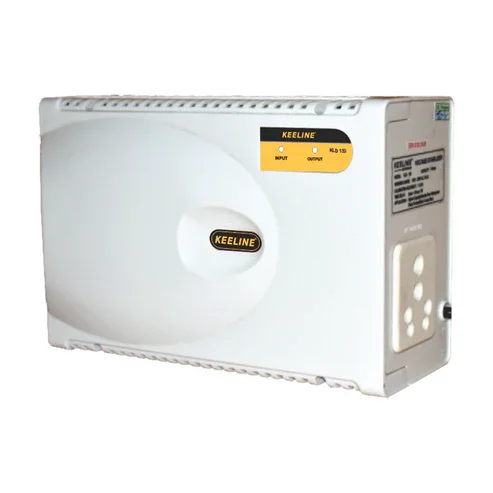
A refrigerator works continuously for many hours every day, making a stable power supply important for its compressor, control board & other electrical components. In areas where electricity frequently fluctuates, operating a refrigerator without adequate voltage protection can increase the risk of electrical stress & malfunction. Low voltage can make compressor operation difficult, while high voltage may damage electrical components.
However, whether you actually need an external stabilizer depends on your refrigerator model & local power conditions. Some modern refrigerators are specifically designed for stabilizer-free operation & can tolerate a wider voltage range. For example, Samsung states that certain refrigerator models can operate between 135V & 290V, although model-specific requirements should always be checked.
What Can Happen Without a Refrigerator Stabilizer?
1. Compressor May Experience Electrical Stress
The compressor is one of the most important & expensive components of a refrigerator. It requires suitable voltage to start & operate correctly. When the supply voltage repeatedly drops or rises beyond the refrigerator's recommended operating range, the compressor can experience additional stress.
Low voltage can make starting difficult, while excessive voltage can affect the compressor & other electrical parts. Manufacturers such as Haier have noted that significant voltage fluctuations can affect refrigerator performance & under unsuitable conditions, potentially damage the compressor.
2. Cooling Performance Can Become Inconsistent
A refrigerator needs its compressor to operate properly to maintain the required temperature. Unstable voltage can interfere with normal operation, particularly when the incoming supply repeatedly falls outside the appliance's acceptable range.
You may notice that the refrigerator takes longer to cool, does not maintain temperature consistently, or behaves differently during periods of low voltage. This can eventually affect the freshness of stored food.
3. Electronic Components Can Be Damaged
Modern refrigerators often contain electronic control boards, sensors, displays, inverter systems & other components. Voltage fluctuations can place stress on these parts.
The best stabilizers for refrigerator can provide an additional layer of protection by regulating incoming voltage & depending on the model, providing high & low-voltage cut-off protection.
4. Frequent Power Restarts Can Affect the Compressor
Power cuts followed by immediate restoration can cause the refrigerator to restart under unfavorable conditions. A refrigerator stabilizer with a time-delay feature can provide a short gap before supplying power again, helping protect the compressor from immediate restarting.
This is why time-delay protection is a commonly available feature in refrigerator stabilizers.
5. Repair & Replacement Costs May Increase
Voltage-related electrical damage can result in repair expenses, particularly if sensitive components or the compressor are affected. A stabilizer does not guarantee that a refrigerator will never develop a fault, but appropriate voltage protection can reduce risks associated specifically with unsuitable power conditions.
For households that regularly experience severe voltage fluctuations, choosing one of the best stabilizers for refrigerator use can therefore be a practical preventive measure.
Is a Stabilizer Always Necessary for a Refrigerator?
No. You should not automatically assume that every refrigerator needs an external stabilizer.
Many newer models have built-in voltage protection or are specifically marketed for stabilizer-free operation. Samsung, for instance, says certain models can work across a broad voltage range without an external stabilizer. However, Samsung also advises checking the specifications of the particular refrigerator because not all models have the same capability.
The most important factors are:
- Your refrigerator's specified operating voltage range
- Whether it has built-in voltage protection
- The frequency & severity of voltage fluctuations in your area
- Whether your refrigerator uses an inverter compressor
- The stabilizer requirements mentioned in the user manual
If your home regularly experiences significant voltage drops or spikes, an external stabilizer can provide an additional layer of protection.
How to Choose the Right Refrigerator Stabilizer
If your refrigerator requires external voltage protection, don't select a stabilizer based only on price. Look for features that match your appliance & local electricity conditions.
Wide Input Voltage Range
A wider operating range can be useful in areas where voltage varies significantly. The appropriate range depends on the voltage conditions at your location.
High & Low Voltage Protection
This feature can disconnect the appliance when the input voltage moves beyond the stabilizer's safe operating range. It provides additional protection during severe fluctuations.
Time-Delay Protection
A time-delay system gives the compressor a short interval before power is restored after an interruption. This is particularly useful for refrigerators because compressors should not be repeatedly restarted immediately after power returns.
Suitable Capacity
The stabilizer should be appropriately rated for your refrigerator. Capacity requirements can vary according to refrigerator size, compressor type & electrical characteristics. Always check the refrigerator & stabilizer manufacturer's specifications before purchasing.
Thermal & Overload Protection
Additional protection against excessive load & overheating can make a stabilizer more suitable for continuous appliance operation. Some refrigerator stabilizers combine these features with automatic voltage correction.
Benefits of Using a Stabilizer for Your Refrigerator
Using an appropriate stabilizer can offer several practical advantages when your household has unstable electricity:
- Helps regulate high & low input voltage
- Provides additional protection for the compressor
- Helps protect sensitive electronic components
- Can provide time-delay protection after power interruptions
- Reduces the risk associated with severe voltage fluctuations
- Supports more reliable refrigerator operation
However, a stabilizer is not a substitute for proper electrical wiring, earthing, surge protection, or professional electrical inspection where those are required.
Final Thoughts
Not using a stabilizer does not automatically mean your refrigerator will be damaged. If your refrigerator is designed for stabilizer-free operation & your household voltage remains within its specified operating range, an external stabilizer may not be necessary.
On the other hand, frequent & significant voltage fluctuations can put electrical components & the compressor under unnecessary stress. In such situations, selecting one of the best stabilizers for refrigerator applications can provide an additional layer of protection.
Before buying, check your refrigerator's manual, recommended voltage range, built-in protection features & local power conditions. Choosing a stabilizer based on these factors is more reliable than selecting one simply because it has a high capacity or low price.
Frequently Asked Questions
1. What happens if a refrigerator is used without a stabilizer?
If the refrigerator is not designed to handle the voltage fluctuations in your area, repeated high or low voltage can put stress on the compressor & electronic components. Severe fluctuations may eventually cause malfunction or damage. However, refrigerators designed for stabilizer-free operation may not require an external unit.
2. Is a stabilizer compulsory for every refrigerator?
No. It depends on the refrigerator model & electricity supply. Some modern refrigerators have built-in voltage protection & are designed to operate without an external stabilizer. Always check the manufacturer's specifications for your specific model.
3. Can low voltage damage a refrigerator compressor?
Yes. Very low voltage can affect compressor operation & may cause excessive electrical stress. Manufacturer guidance indicates that operating outside the recommended voltage range can negatively affect refrigerator performance & may damage electrical components.
4. What type of stabilizer is best for a refrigerator?
The appropriate stabilizer should match the refrigerator's electrical requirements & your home's voltage conditions. Features such as a suitable input range, high & low-voltage cut-off, time-delay protection, overload protection & adequate capacity are useful considerations.
5. Does a refrigerator stabilizer save electricity?
Its primary purpose is voltage regulation & appliance protection, not direct electricity savings. A stabilizer may help the refrigerator operate under suitable voltage conditions, but it should not be considered an electricity-saving device by itself.
6. How do I know if my refrigerator needs a stabilizer?
Check the refrigerator's user manual or manufacturer's specifications for terms such as "stabilizer-free operation" & the supported voltage range. Then consider your local electricity supply. If voltage frequently moves outside the refrigerator's specified range, an external stabilizer may be advisable.