
 Sign up with Google
 Sign in with Zoho

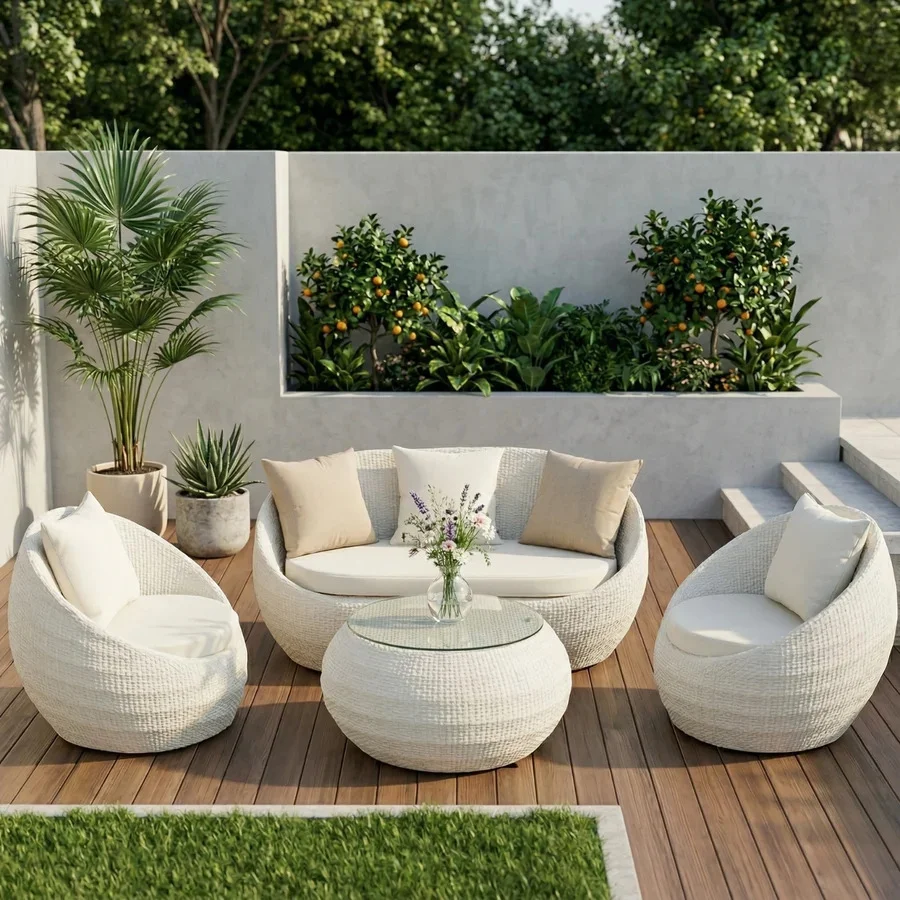
Choosing outdoor furniture often involves a difficult question: should you spend more upfront for premium furniture, or choose a budget-friendly option & replace it when it wears out? The answer depends on how frequently you use your outdoor space, the local climate, the materials used & how much maintenance you are willing to do. Quality outdoor furniture can justify a higher price when it offers better durability, weather resistance, comfort & construction. In climates exposed to strong sunlight, humidity, rain, or monsoons, material quality becomes especially important because outdoor furniture faces conditions that indoor furniture does not.
Why Is Expensive Outdoor Furniture More Costly?
A higher price does not automatically mean better quality. However, premium outdoor furniture often costs more because manufacturers use materials, finishes, hardware & construction methods designed for outdoor exposure.
Sunlight can cause fading, moisture can encourage rust or mildew & repeated temperature changes can affect materials & joints. Choosing furniture specifically designed for these conditions can therefore provide better long-term value than selecting an inexpensive piece based only on its appearance.
The key is to look beyond the price tag & evaluate what you are actually getting for your money.
Durability Makes a Difference
One of the strongest reasons to invest in quality outdoor furniture is durability. A well-built frame made from an appropriate outdoor material can remain functional for many years with proper care.
Materials such as powder-coated aluminium, teak, HDPE & quality synthetic materials are commonly considered suitable for dem&ing outdoor conditions. Aluminium, for example, is lightweight & rust-resistant, while teak is known for its natural durability. The right choice depends on your location, exposure & maintenance expectations.
Instead of asking, "Is this furniture expensive?", ask, "How long is this furniture likely to remain useful?"
A cheaper product that needs frequent replacement may eventually cost more than a higher-quality product purchased once & maintained properly.
Material Quality Should Be Your Priority
When comparing outdoor furniture, material should be one of the first things you investigate.
Aluminium: Powder-coated aluminium is lightweight, rust-resistant & relatively easy to maintain, making it suitable for many outdoor environments.
Teak: Teak is naturally durable & resistant to moisture & insects. It can be allowed to develop a silver-grey appearance or maintained according to the manufacturer's recommendations.
Synthetic wicker: Quality synthetic wicker can provide good resistance to outdoor conditions, particularly when used with a suitable frame.
Steel: Steel provides strength & stability, but its protective coating needs to remain intact to reduce the risk of corrosion.
Therefore, spending more on the right material can be worthwhile, but paying extra simply for a premium label is not necessarily a guarantee of better performance.
Comfort Is Also Part of the Investment
Outdoor furniture is not only about surviving weather conditions. It should also be comfortable enough to encourage you to use your balcony, terrace, patio, garden, or poolside area regularly.
Higher-quality furniture may offer better seat proportions, stronger frames, improved cushions & better finishing. If you regularly host guests or spend several hours outdoors, comfort can make a meaningful difference.
Cushion quality deserves particular attention. Outdoor cushions should be appropriate for outdoor conditions & they should be dried properly after exposure to rain. Even an excellent frame can have a shorter practical lifespan if cushions are poorly maintained.
Maintenance Affects Long-Term Value
Expensive furniture is not necessarily maintenance-free. Even high-quality outdoor furniture benefits from regular cleaning, protection & appropriate storage.
Simple habits can help extend its usable life:
- Clean dust & dirt regularly.
- Follow the manufacturer's cleaning instructions.
- Protect furniture from prolonged harsh exposure when practical.
- Keep cushions dry before storing them.
- Check metal surfaces for coating damage or early corrosion.
- Use suitable covers when recommended.
For Indian homes, monsoon preparation is particularly important. Rain-resistant frames may h&le wet conditions well, but cushions & fabrics often need additional care & ventilation.
When Is Expensive Outdoor Furniture Worth It?
Investing more makes sense when you plan to use the furniture for several years & your outdoor area is exposed to dem&ing conditions.
It can be worthwhile if:
- You use your outdoor area frequently.
- You entertain guests regularly.
- Your furniture is exposed to strong sunlight or rain.
- You want to avoid frequent replacement.
- You value long-term comfort.
- You prefer durable, low-maintenance materials.
- You have already invested in creating a permanent outdoor living area.
On the other h&, expensive furniture may not be necessary if you live in a rental property, use your outdoor space occasionally, or have a protected balcony where furniture receives limited weather exposure.
How to Calculate the Real Value
Rather than comparing only purchase prices, consider the cost per year of use.
For example, imagine a budget set costs ₹20,000 but needs replacement after two years. Another set costs ₹50,000 & remains useful for eight years with proper maintenance. The second option has a lower approximate purchase cost per year of use.
This does not mean the most expensive option is always the best. It means durability, construction, maintenance requirements, warranty & expected lifespan should be considered alongside the initial price.
What Should You Check Before Buying?
Before purchasing outdoor furniture, check the frame material, finish, hardware, cushion construction, warranty, weight capacity, dimensions & maintenance requirements. Also consider whether the furniture will remain completely outdoors or under a roof or pergola.
For Indian conditions, think specifically about summer heat, UV exposure, humidity & monsoon rainfall. A material that works well in one environment may require more maintenance in another.
Most importantly, don't choose furniture solely because it looks premium. Quality should be visible in the construction & supported by clear product specifications.
Final Verdict
So, is expensive outdoor furniture worth the investment? It can be, provided you are paying for genuine quality rather than simply a higher price.
A well-made piece constructed from suitable outdoor materials can offer better durability, comfort, weather resistance & long-term value. However, budget-conscious buyers can also find excellent options by focusing on material quality, construction, maintenance requirements & intended use rather than automatically choosing the most expensive product.
The smartest approach is to select outdoor furniture that matches your climate, available space, usage frequency & maintenance expectations. When these factors align, spending more upfront can become a practical long-term investment rather than an unnecessary expense.
Frequently Asked Questions
1. Is expensive outdoor furniture really worth it?
Yes, it can be worth the investment when the higher price reflects better materials, stronger construction, weather resistance, comfort & longer expected use. However, expensive does not automatically mean better, so always compare specifications & construction.
2. What type of outdoor furniture lasts the longest?
Teak, quality powder-coated aluminium, HDPE & certain other outdoor-rated materials can offer excellent longevity when appropriately selected & maintained. The best option depends on climate, exposure & maintenance requirements.
3. Is it better to buy cheap outdoor furniture & replace it?
Not necessarily. If inexpensive furniture deteriorates quickly, repeated replacement can increase your total cost. Comparing expected lifespan & maintenance requirements can provide a better indication of overall value.
4. What should I look for when buying outdoor furniture?
Focus on the frame material, protective finish, hardware, cushion & fabric quality, dimensions, weight capacity, warranty, weather suitability & maintenance requirements. For exposed spaces, choose materials specifically intended for outdoor use.
5. How can I make outdoor furniture last longer?
Regular cleaning, appropriate covers, protecting cushions from prolonged moisture, addressing coating damage early & following the manufacturer's care instructions can help extend furniture life. During heavy rain or extreme weather, appropriate storage or protection can also help.
6. Does outdoor furniture need to be covered?
Covering can help protect outdoor furniture from dirt, UV exposure & prolonged moisture, although the exact requirement depends on the material & whether the furniture is under shelter. Cushions generally benefit from being kept dry & well ventilated when not in use.





.webp)




.webp)