
 Sign up with Google
 Sign in with Zoho
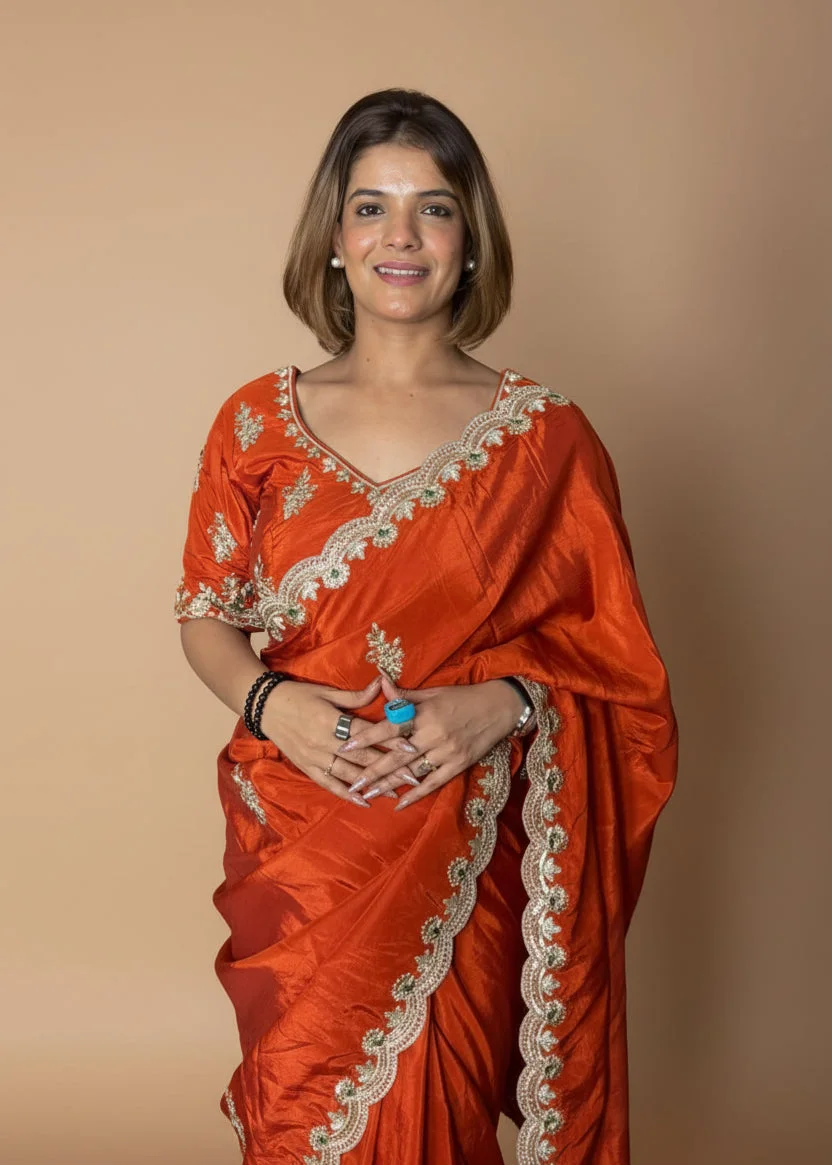
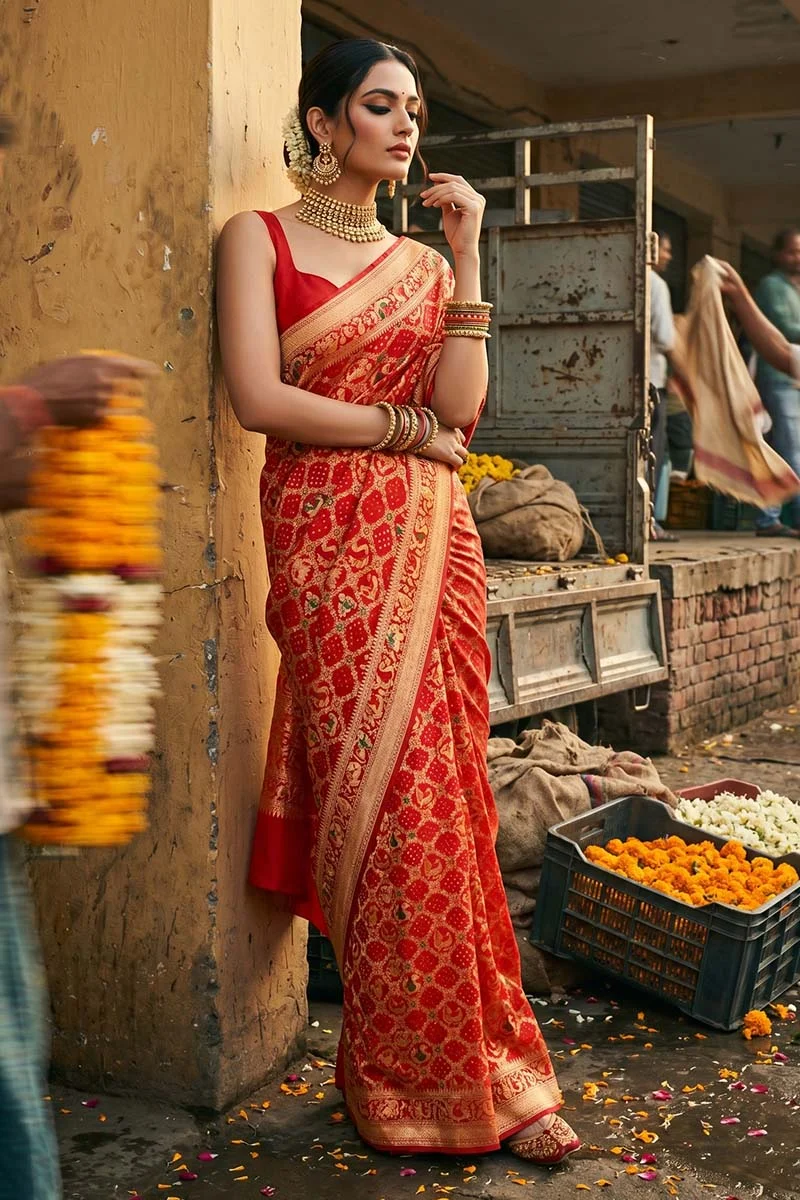
Some garments become part of a tradition long before they become part of a wardrobe. A red Banarasi saree is one such classic. Rich in colour, detailed in craftsmanship, and closely associated with Indian celebrations, the saree has a presence that feels both grand and deeply personal. From weddings and festive ceremonies to intimate family occasions, red continues to hold its place as one of the most expressive colours in Indian dressing.
What makes a Banarasi saree particularly distinctive is not only its colour but also the weaving tradition behind it. Originating from Varanasi, Banarasi weaving is known for intricate patterns, luxurious textures, and the use of zari to create elaborate motifs. When these details come together in a red saree, the result is a piece that can command attention without relying on excessive styling.
Why Red Continues to Be a Classic Saree Colour
Red has a long-standing place in Indian festive and bridal wardrobes. It carries a sense of warmth, celebration, and occasion, which makes it particularly suited to traditional dressing. A red saree can instantly establish a festive mood while still allowing the wearer to personalise the look through jewellery, blouse design, makeup, and draping style.
The appeal of red also comes from its versatility. Deep wine-inspired reds can create a sophisticated evening look, while brighter shades can feel vibrant and celebratory. Crimson, vermilion, ruby, and deeper maroon-red tones each offer a different interpretation of the same classic colour.
With Banarasi weaving, these shades gain another dimension because the silk and zari can reflect light differently as the saree moves.
Understanding the Beauty of Banarasi Weaving
A Banarasi saree is recognised for the complexity of its weaving. Traditional designs often include floral forms, paisleys, vines, butis, and geometric patterns. Zari work adds a metallic element, creating contrast against the silk base.
On a red Banarasi saree, gold zari is particularly striking. The warm red foundation allows the metallic motifs to stand out, while the overall combination remains rooted in traditional Indian aesthetics.
The beauty is also found in the details. Rather than being simply a colourful garment, a Banarasi saree represents hours of skilled weaving and careful attention to pattern placement. This craftsmanship gives every piece a visual depth that becomes more noticeable when seen up close.
Choosing the Right Red Banarasi Saree for an Occasion
The occasion can help determine the right style of saree. For weddings, a richly woven Banarasi with prominent zari motifs can create a traditional and celebratory appearance. For festive gatherings, a lighter design with delicate motifs can offer a more understated interpretation.
The choice of red matters too. Bright red works naturally for traditional ceremonies, while deeper shades can be especially elegant for evening events. If the saree itself features substantial zari work, a simpler blouse can balance the overall appearance. Conversely, a more minimal saree can be paired with a detailed blouse to introduce another layer of visual interest.
The drape can also change the character of the saree. A classic pleated drape highlights the woven border and pallu, while contemporary styling can make the same saree feel more relaxed.
Styling a Red Banarasi Saree
Jewellery is one of the easiest ways to shape the overall look. Gold jewellery complements the warm tones of red and works particularly well when the saree features gold zari. Traditional jhumkas, bangles, necklaces, or a statement pair of earrings can complete a festive ensemble.
For a more contemporary approach, jewellery can be kept minimal. A pair of sculptural earrings, a sleek bun, and a well-fitted blouse can give the saree a modern character without taking away from its traditional identity.
The blouse also offers plenty of room for experimentation. A classic high-neck blouse creates a refined appearance, while a contrasting blouse can introduce colour and make the ensemble feel more contemporary. Fabrics such as raw silk, brocade, or velvet can complement the richness of Banarasi silk, depending on the season and occasion.
Caring for a Banarasi Saree
A saree with detailed weaving deserves thoughtful care. Avoid storing it in direct sunlight for extended periods, as prolonged exposure can affect its colour. Folding the saree carefully and refolding it occasionally can help prevent permanent creases in the same areas.
For long-term storage, breathable fabric is preferable to plastic. Keeping the saree in a clean muslin cloth can provide protection while allowing the fabric to breathe. It is also important to follow appropriate professional cleaning recommendations, particularly for silk sarees with intricate zari work.
Proper care is not simply about preserving an expensive garment. It helps retain the weaving, colour, and character that make the saree special in the first place.
A Saree That Connects Tradition and Personal Style
One of the strongest qualities of a red Banarasi saree is its ability to move between generations. A traditional piece can feel completely at home in a contemporary wardrobe when styled thoughtfully. It can be worn with heirloom jewellery for a family celebration, paired with modern accessories for a formal event, or styled more simply for a festive gathering.
Its appeal comes from this balance. The colour has cultural familiarity, while the weaving provides an unmistakable sense of craftsmanship. Together, they create a garment that does not depend on fleeting trends.
Conclusion
A red Banarasi saree is more than a festive wardrobe choice. It brings together colour, craftsmanship, tradition, and individual expression in a single garment. Whether chosen for a wedding, festival, celebration, or a special family occasion, its rich red tone and detailed weaving offer a timeless way to dress with character.
For those looking to explore thoughtfully crafted Indian textiles and traditional sarees, Chinaya Banaras brings together the heritage of Indian weaving with a considered approach to contemporary wardrobes. A well-chosen saree is not simply something to wear for one occasion; it can become a piece of personal history, carried forward and remembered for years to come.













.webp)