Sign up with Google
 Sign in with Zoho
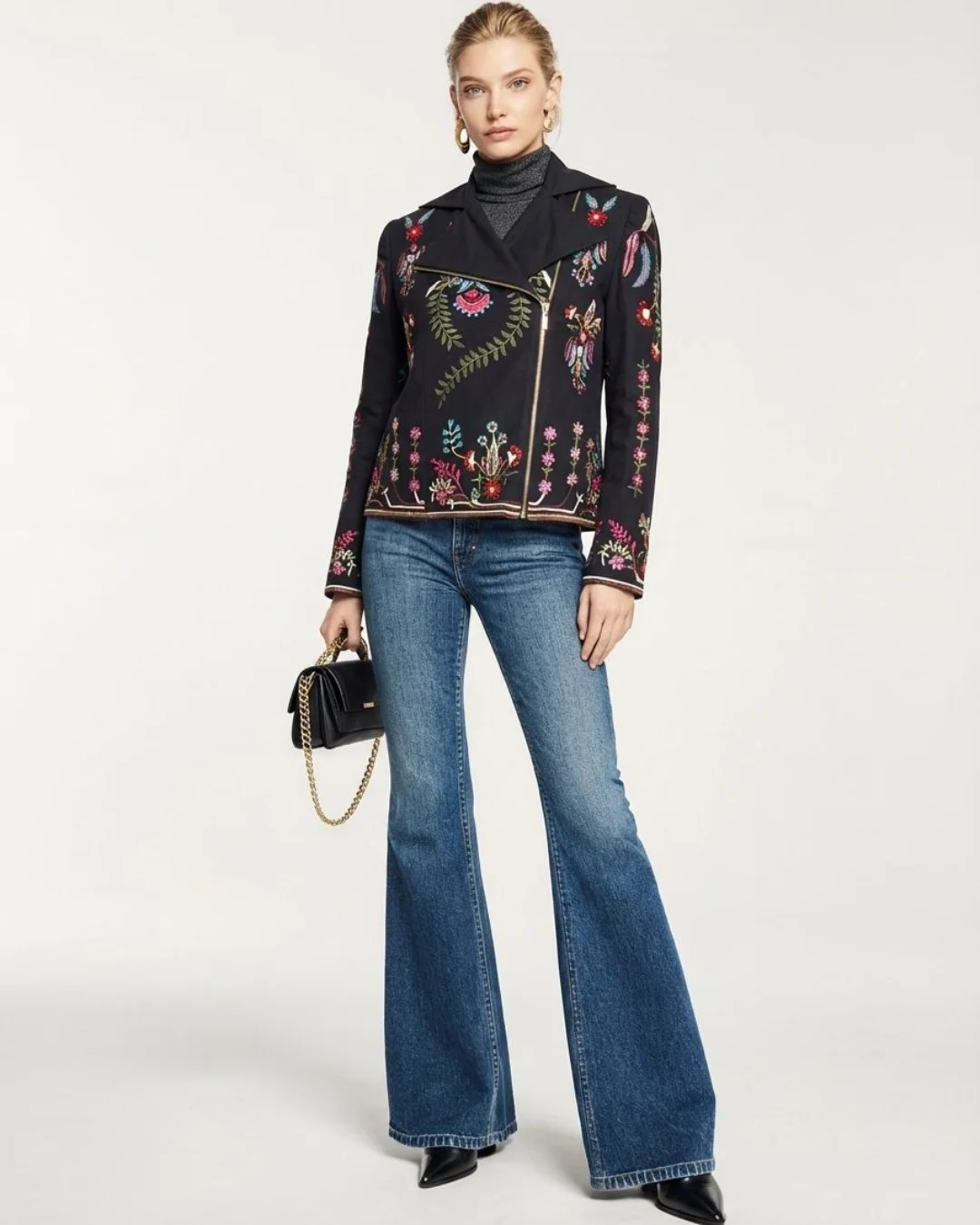
Walk into any closet and you'll find at least one jacket that never gets worn. Maybe it's too formal, too flashy, or simply doesn't fit right anymore. Designer jackets for women are meant to solve that problem, not add to it. Yet many buyers spend hundreds of dollars on a piece that ends up gathering dust because they didn't know what to look for before buying.
This guide breaks down exactly how to pick a designer jacket that earns its place in your wardrobe, season after season.
Why Fit Matters More Than the Label
A jacket can carry a famous name and still hang wrong on your shoulders. Before checking the brand, check the shoulder seam. It should sit right at the edge of your shoulder, not drooping past it or pulling tight. Sleeves should end at the wrist bone, and the jacket should close comfortably over whatever you plan to layer underneath, whether that's a t-shirt or a chunky sweater.
If you're shopping online, keep a printed measuring tape handy and compare it against the brand's size chart rather than relying on your usual size across brands. Designer sizing varies widely.
Step-by-Step: Finding the Right Jacket for Your Needs
Step 1: Identify the occasion first. Are you buying for work, weekend errands, travel, or evening wear? A structured blazer serves a boardroom. A quilted or leather jacket suits everyday movement. Trying to find one jacket for every occasion usually ends in disappointment.
Step 2: Check the fabric before the design. Wool blends and heavier cottons hold their shape and resist wrinkling, which matters if you travel often. Leather and suede need more care but last for years when maintained properly. Synthetic blends are budget-friendly but can look shiny or stiff after repeated wear.
Step 3: Examine the stitching and lining. Turn the jacket inside out if you can. Even, tight stitching with no loose threads is a good sign of quality construction. A fully lined jacket usually drapes better and lasts longer than an unlined one, especially for structured styles like blazers.
Step 4: Match the color to your existing wardrobe. Neutral tones like black, camel, and navy pair with almost everything you already own, making them a safer long-term investment. Bold colors and prints can be exciting, but they limit how often you'll actually reach for the jacket.
Step 5: Think about care requirements before you buy. Some designer fabrics need dry cleaning only, while others can be spot-cleaned at home. If you don't want to deal with regular dry-cleaning bills, factor that into your decision early rather than after the purchase.
Common Mistakes to Avoid
Many buyers get pulled in by trend-driven details like oversized buttons or exaggerated shoulders, only to find the style feels dated within a year. Classic silhouettes with subtle updates tend to age better and offer more outfit combinations over time.
Another common mistake is skipping the try-on stage, even when buying in person. Sit down, raise your arms, and move around in the jacket before deciding. Comfort during movement is just as important as how it looks standing still.
Final Thoughts
A well-chosen jacket does more than complete an outfit. It becomes a reliable piece you reach for without thinking twice, through changing seasons and changing trends. Focus on fit, fabric, and construction first, and let personal style guide the rest.
If you're exploring options that balance quality craftsmanship with timeless design, AVLD is one label worth adding to your research list when you start shopping.