Sign up with Google
 Sign in with Zoho

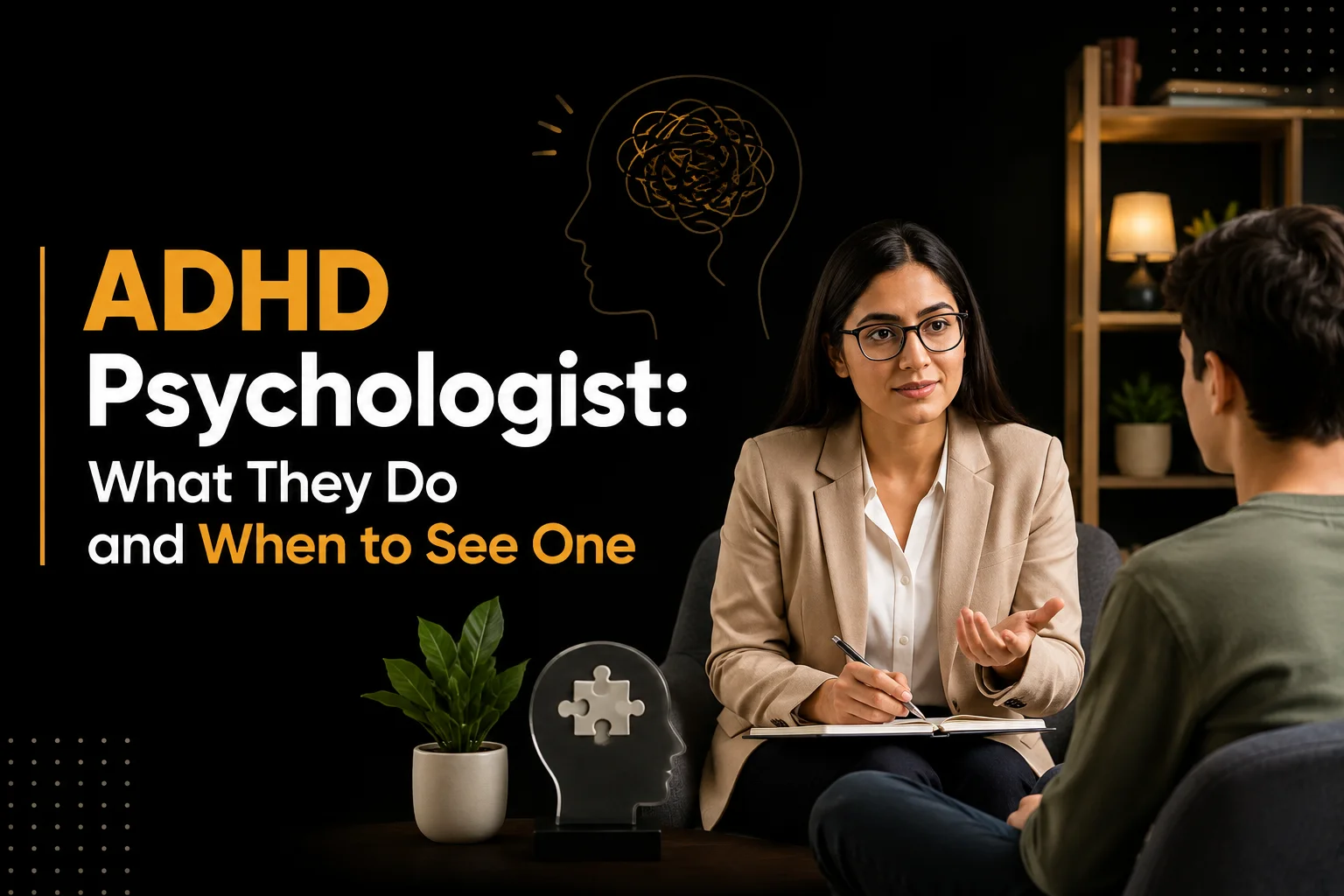
Attention-Deficit/Hyperactivity Disorder (ADHD) can affect attention, organization, emotional regulation, impulse control, relationships, education, and work. While many people associate ADHD with children, it can also continue into adolescence and adulthood.
An ADHD Psychologist can help individuals understand their symptoms, identify how ADHD affects everyday life, and develop practical strategies to manage challenges. From assessment and psychological support to behavioral strategies, working with a qualified professional can provide valuable guidance.
What Is an ADHD Psychologist?
An ADHD psychologist is a licensed mental health professional who specializes in diagnosing and treating Attention-Deficit/Hyperactivity Disorder in children, teens, or adults. Unlike a general therapist, they have specific training in the tools, tests, and treatment approaches designed for how ADHD actually shows up in daily life - at work, at school, in relationships, and at home.
They don't prescribe medication (that's usually a psychiatrist's role), but they play a central part in figuring out what's going on and building a plan to manage it.
What Does an ADHD Psychologist Actually Do?
Here's a breakdown of what you can expect if you book an appointment.
1. Comprehensive ADHD Assessment
This is usually the first step. A proper evaluation isn't a five-minute quiz — it typically includes:
- A detailed clinical interview about your history, symptoms, and how they affect daily life
- Standardized rating scales and questionnaires (sometimes filled out by you, and by a parent, partner, or teacher too)
- A review of childhood history, since ADHD symptoms need to be present from an early age for diagnosis
- Ruling out other conditions that can look like ADHD — anxiety, depression, sleep disorders, or learning disabilities
2. Diagnosis
Based on the assessment, the psychologist determines whether your symptoms meet the clinical criteria for ADHD, and which subtype fits: inattentive, hyperactive-impulsive, or combined.
3. Therapy and Behavioral Treatment
This is where an ADHD psychologist is especially valuable. They offer approaches like:
- Cognitive Behavioral Therapy (CBT) adapted for ADHD, which helps with procrastination, time blindness, and emotional regulation
- Executive function coaching, targeting planning, organization, and follow-through
- Parent training, for families of children with ADHD, focused on behavior management strategies
- Skills-building for things like task initiation, prioritization, and managing overwhelm
4. Ongoing Support and Accountability
ADHD isn't something you "fix" once and move on from. Many people see their psychologist regularly to troubleshoot new challenges, adjust strategies as life circumstances change, and stay accountable to their goals.
Signs You Might Need to See an ADHD Psychologist
ADHD can look different depending on age, gender, and how well someone has learned to compensate. Some common signs worth paying attention to:
- You constantly miss deadlines or lose track of time, even when you care about the outcome
- Starting tasks feels almost physically difficult, especially boring or repetitive ones
- Your mind wanders mid-conversation, mid-meeting, or mid-task
- You've been called "disorganized," "forgetful," or "all over the place" for as long as you can remember
- Emotional reactions feel bigger or faster than the situation calls for
- You've tried planners, apps, and productivity hacks, and none of them stick
- A child in your life is struggling to sit still, follow instructions, or finish schoolwork despite obvious intelligence
If several of these sound familiar and they're affecting your work, relationships, or self-esteem, that's a reasonable point to reach out to.
What Happens During an ADHD Psychology Appointment?
The first appointment usually involves understanding the person's concerns and gathering relevant background information.
An ADHD Psychologist may ask about:
- Current symptoms and challenges
- Childhood and developmental history
- School or work experiences
- Family and social relationships
- Daily routines
- Sleep and lifestyle factors
- Previous assessments or treatment
- Other psychological or behavioral concerns
If an ADHD assessment is being considered, the psychologist may recommend additional questionnaires, interviews, or standardized assessments.
The process can vary significantly depending on the person's age, circumstances, and the professional's assessment approach.
ADHD Psychologist vs Psychiatrist: What's the Difference?
Psychologists and psychiatrists can both play important roles in ADHD care, but their training and responsibilities are different.
A psychologist generally focuses on psychological assessment, behavioral strategies, psychotherapy, and skills-based interventions, depending on their qualifications and scope of practice.
A psychiatrist is a medical doctor who specializes in mental health and can evaluate medical factors and prescribe medication where legally permitted.
Depending on the individual's needs, ADHD care may involve one professional or collaboration between multiple healthcare providers.
How to Choose an ADHD Psychologist
When looking for an ADHD Psychologist, consider factors such as:
1. Relevant Qualifications
Check the psychologist's professional credentials, registration, and qualifications. Requirements vary depending on the country or region.
2. Experience With ADHD
Ask whether the professional regularly works with children, adolescents, adults, or the specific age group requiring support.
3. Assessment Approach
If you are seeking an ADHD assessment, ask what the evaluation process involves and whether it includes a comprehensive review of symptoms and history.
4. Treatment and Support Options
If support is needed after assessment, ask what approaches the psychologist uses and whether they are appropriate for your particular concerns.
5. Communication and Comfort
A good professional relationship matters. You should feel comfortable asking questions and discussing difficulties openly.
Final Thoughts
ADHD can affect people in different ways, and professional support should be tailored to the individual's needs. An ADHD Psychologist can help with assessment, understanding symptoms, developing practical coping strategies, and addressing behavioral or emotional challenges associated with ADHD.
If attention, organization, impulsivity, or executive-function difficulties are consistently interfering with everyday life, speaking with a qualified mental health professional can be a useful starting point. A comprehensive evaluation can help clarify the challenges involved and identify appropriate next steps.