Sign up with Google
 Sign in with Zoho

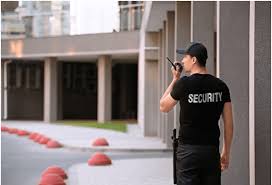
Warehouses store valuable inventory, machinery, and shipment materials, making them critical assets within modern logistics networks. Businesses rely on warehouse security guard services to ensure these facilities remain protected from theft, unauthorized access, and operational disruptions. Security officers working in warehouse environments perform a wide range of duties designed to protect assets and maintain safety across the facility. From monitoring entry points to conducting regular patrols, their role is essential to maintaining organized, secure storage operations. As supply chains continue to expand and distribution centers grow larger, the responsibilities of trained warehouse security guard services have become more strategic and technology-driven.
Access Control and Visitor Management
One of the primary responsibilities of warehouse security officers is controlling who enters and exits the facility. Warehouses frequently experience high traffic from employees, drivers, and contractors. Without strict access control, the risk of theft and unauthorized entry increases.
Typical access control duties include:
- Verifying employee identification badges
- Logging delivery drivers and vendor details
- Checking shipment documentation
- Monitoring entry gates and security checkpoints
- Preventing unauthorized individuals from entering restricted areas
By maintaining accurate entry logs and conducting identification checks, security officers create a controlled environment in which only authorized personnel can access the warehouse.
Surveillance and Monitoring
Modern warehouses often use advanced surveillance systems to enhance security coverage. Security officers monitor these systems to identify suspicious activity and respond quickly to potential risks.
Their monitoring tasks typically include:
- Observing CCTV camera feeds
- Identifying unusual behavior or security breaches
- Reporting incidents to management
- Coordinating with law enforcement when necessary
By actively supervising surveillance systems, security officers ensure threats are detected before they escalate into major incidents.
Patrol and Perimeter Security
Routine patrols are another crucial responsibility of warehouse security teams. These patrols help ensure that all areas of the facility remain secure and that potential risks are identified early.
Security patrol duties may involve:
- Inspecting loading docks and storage areas
- Checking warehouse doors, gates, and fences
- Monitoring parking areas and truck bays
- Reporting damaged locks, lighting failures, or safety hazards
Consistent patrols provide a visible security presence that helps deter theft and unauthorized activity.
Emergency Response and Incident Reporting
Warehouse environments can face various emergencies, including fire hazards, workplace accidents, or security breaches. Security officers must respond quickly and follow established emergency procedures.
Common responsibilities include:
- Assisting with emergency evacuations
- Coordinating with fire safety teams
- Reporting incidents with detailed documentation
- Supporting workplace safety compliance
Their preparedness ensures that disruptions are handled efficiently while minimizing risk to employees and assets.
Technology Integration in Warehouse Security
Security officers today often work alongside advanced technologies, such as motion sensors, digital access systems, and automated alarm monitoring systems. Understanding how to operate these systems allows them to maintain strong security coverage across large warehouse facilities.
In large distribution hubs, these systems help officers monitor multiple zones simultaneously while maintaining operational efficiency.
The protection of inventory, staff, and transportation processes depends heavily on well-trained security professionals. Businesses that invest in professional warehouse security guard services gain stronger protection against theft, internal misconduct, and logistical disruptions. Skilled warehouse security guards maintain operational stability by controlling access, monitoring surveillance, and responding to emergencies quickly. Companies looking to strengthen their warehouse protection strategies should partner with experienced security providers that understand logistics environments and modern risk management practices. Taking proactive steps today helps safeguard supply chain assets and ensures long-term operational stability.


.webp)