Sign up with Google
 Sign in with Zoho
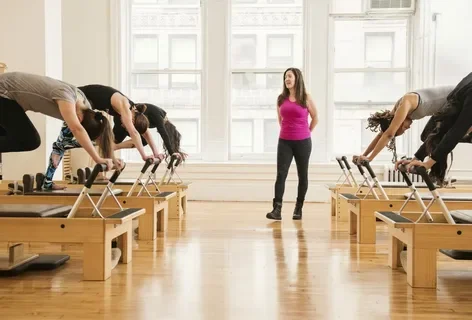
Romana-inspired Pilates is a classic approach to movement that emphasizes precision, control, breath, and efficient full-body work. For beginners, it can feel a little intimidating at first because the method is often detailed and technique-driven. Still, that same structure is what makes it so effective. If you are just getting started, the best place to begin is with the basics: learning how your body aligns, how to breathe with purpose, and how to move with awareness instead of momentum.
Many new students look for a class or studio that respects the original method while still making it approachable. In cities like New York, people often search for the best Romana's Pilates NYC when they want a place that teaches the work in a clear, grounded way. Whether you are practicing in a studio or at home, the first step is understanding that Romana-inspired Pilates is not about speed. It is about building a strong foundation that supports everything else.
Key points
- Start with foundational exercises before moving into advanced sequences.
- Learn neutral alignment, breathing, and control first.
- Choose a qualified teacher who can give precise corrections.
- Consistency matters more than intensity for beginners.
- Romana-inspired Pilates is about quality of movement, not quantity.
What Makes Romana-Inspired Pilates Different
Romana Kryzanowska was one of the most influential teachers of the classical Pilates method. Her approach preserved the original exercises while emphasizing clarity, discipline, and progression. Romana-inspired Pilates generally stays close to the traditional order and structure of exercises, which can be especially helpful for beginners because it creates a clear path to follow.
Unlike fitness trends that focus on burning calories or exhausting the body, this style asks you to pay close attention to details. You learn how to stabilize the torso, lengthen the spine, move the limbs with intention, and connect breath to movement. Over time, this helps improve posture, coordination, mobility, and strength.
The Best Place to Begin as a Beginner
Start with the fundamentals
Beginners should not rush into advanced work. In Romana-inspired Pilates, the most important early lesson is learning the fundamentals well. That usually includes exercises that teach pelvic placement, spinal articulation, core engagement, and shoulder stability. These basics may seem simple, but they are the building blocks for everything that comes later.
Exercises such as the Hundred, Roll Up, Single Leg Circles, Spine Stretch Forward, and Swan Prep often appear early in a beginner progression. They are not just about strength. They also teach rhythm, control, and awareness. A beginner should focus on doing fewer repetitions with better form rather than trying to keep up with more advanced students.
Choose a beginner-friendly teacher
A skilled teacher can make a huge difference in how comfortable and successful your first months feel. Look for someone who explains why each movement matters, not just how to do it. Good instruction includes hands-on corrections when appropriate, clear verbal cues, and the ability to scale exercises based on your body and experience level.
If you are taking a studio session, ask whether the teacher works with beginners regularly. A strong beginner program should introduce the classical method gradually, not overwhelm you with too many exercises at once. The goal is to help you feel successful while building strong habits from the start.
Core Principles Every Beginner Should Learn
1. Breath
Breathing in Pilates is active, not passive. It supports the exercise, helps create rhythm, and encourages better focus. Beginners should learn to breathe laterally into the ribs while keeping the abdomen engaged. At first, this may feel unnatural, but with practice it becomes one of the most useful tools in the method.
2. Alignment
Alignment means placing the body in a way that allows movement to happen efficiently. For beginners, this often includes recognizing the position of the head, ribs, pelvis, and feet. Small adjustments can improve balance and reduce strain. In Romana-inspired Pilates, alignment is not about being rigid. It is about organizing the body so it can move well.
3. Control
The method is built on control. That means moving with intention instead of relying on momentum. Beginners often discover that slower, more deliberate movement is much harder than it looks. This is normal. Control helps develop stability and also makes the workout safer and more effective.
4. Precision
Precision means doing each movement with care. Rather than rushing through a sequence, beginners should focus on accurate placement and clean transitions. Even a small exercise can become meaningful when it is done precisely. This mindset is one reason Romana-inspired Pilates remains so respected.
What a Beginner Session Should Look Like
A good beginner session usually begins with simple mat or apparatus work that introduces basic movement patterns. The pace should be moderate and the teacher should leave room for questions and corrections. Beginners may spend a lot of time learning how to position the pelvis, keep the ribs aligned, and engage the deep abdominal muscles without tightening the neck or shoulders.
On the reformer or other apparatus, the resistance should be light enough to allow learning, not just effort. The purpose is to feel how the machine supports movement and provides feedback. A beginner should leave class feeling worked but not wrecked. Mild muscle fatigue is normal. Sharp pain, strain, or dizziness is not.
Common Mistakes Beginners Make
- Trying to do too much too soon: Progress in Pilates is gradual. Beginners often benefit more from repetition than novelty.
- Holding the breath: Breath helps organize the body. When it disappears, so does much of the method’s benefit.
- Using momentum: Fast movement can hide weak control. Slower movement reveals true technique.
- Overgripping the shoulders or neck: Tension in these areas can interfere with core work and posture.
- Skipping the basics: Foundational exercises matter because they teach the body how to move efficiently.
How to Practice Safely at the Beginning
Safety in Pilates comes from attention, not intensity. Beginners should tell their instructor about injuries, pregnancy, hypermobility, back pain, or any other physical concerns before class begins. A good teacher will make adjustments and choose exercises that fit your needs.
It also helps to wear fitted clothing so the teacher can see your alignment. Avoid eating a heavy meal right before class, and give yourself time to arrive calmly rather than rushing in stressed. If you are practicing at home, use a clear space, a supportive mat, and reliable instruction from a qualified source.
How Often Should Beginners Practice
For most beginners, two to three sessions per week is a realistic and effective starting point. That schedule gives the body enough repetition to learn patterns without creating too much fatigue. Some people progress faster with private sessions because the instruction is more individualized. Others do well in small group settings once they have learned the basics.
Consistency matters more than doing long sessions. A focused 45-minute class done regularly is often more valuable than an occasional intense workout. Over time, beginners usually notice better posture, improved body awareness, and more ease in everyday movements like sitting, standing, reaching, and walking.
When to Move Beyond the Basics
There is no exact timeline for advancing. Some beginners are ready to explore more complex exercises after a few weeks. Others need several months to feel confident with the foundation. What matters is not how quickly you move on, but whether your body is ready.
You may be ready for more advanced material when you can maintain alignment, breathe steadily, and complete basic movements without losing control. Even then, classical Pilates usually revisits the fundamentals often. In that sense, beginners and advanced students are always working on the same core principles, just at different levels of complexity.
Conclusion
Romana-inspired Pilates gives beginners a clear, intelligent, and time-tested way to build strength and awareness. The best place to start is with the basics: breath, alignment, control, and precision. With a good teacher and a patient approach, beginners can develop a strong foundation that supports long-term progress. The method rewards consistency, attention, and curiosity. If you begin carefully and stay committed, the work becomes less about learning a series of exercises and more about understanding how your body moves best.
FAQ
Is Romana-inspired Pilates good for complete beginners?
Yes. It can be excellent for beginners because it emphasizes structure, clear progression, and detailed instruction. The key is starting with a teacher who knows how to introduce the method gradually.
Do I need to be flexible to start?
No. Flexibility is not a requirement. In fact, Pilates can help you improve flexibility over time through controlled movement and better alignment.
How is Romana-inspired Pilates different from modern fitness classes?
It focuses more on precision, classical sequencing, and full-body control than on high-intensity conditioning. The goal is to build balanced strength and better movement habits.
Should beginners start on the mat or the reformer?
Either can work, depending on the instruction available. Mat work teaches body control without equipment, while the reformer provides support and feedback. Many beginners benefit from a mix of both.
How long does it take to feel results?
Many people notice improved awareness and posture within a few weeks. Deeper strength and movement changes usually develop over several months of consistent practice.
Can I practice if I have back pain?
Often yes, but it depends on the cause of the pain. It is important to consult a healthcare professional and work with a knowledgeable Pilates teacher who can modify exercises appropriately.