Sign up with Google
 Sign in with Zoho

Sports bikes are designed to provide the kind of thrill, speed, and agility that only two wheelers can provide. However, the same performance that makes them exciting also makes them unforgiving of errors. There is a learning curve that you shouldn’t avoid, whether you have upgraded from a city bike to a sportier model or if you intend to purchase your first performance bike. Riding fast is easy. Riding fast and safe is a skill.
Here’s what every new sports bike rider should focus on before pushing the throttle too hard.
Master Your Body Positioning
Sports bikes require an aggressive, forward-leaning stance, in contrast to upright commuting motorcycles. This is practical and visually appealing. Leaning forward improves grip and control when braking and cornering by shifting your weight onto the front wheel. Remember:
- Bending the elbows slightly
- Knees gripping the tank
- Raise your head and look ahead during the bend, not down at the road in front of you
Learn to Brake Properly
Bikes typically have strong front brakes, which can be challenging for newcomers. Relying solely on the rear brake greatly diminishes your stopping ability; applying too much force to the front brake might lock the wheel and you may fall.
The safest approach is progressive braking:
- Apply the front brake gradually, increasing pressure as the bike’s weight shifts forward
- Use the rear brake for balance
Practising these techniques in an empty parking lot before entering traffic will help you build the muscle memory you need when a sudden stop becomes unavoidable. Your reflexes may improve by practising emergency stops at different speeds.
Understand Cornering Basics
Cornering is where sports bikes truly shine, but it’s also where new riders get into trouble. Two key principles to remember:
- “Slow in, fast out”: Before making a curve, slow down and then gradually pick up speed. Instead of looking immediately in front of your wheel, look through the corner toward your exit point.
- Every sports bike truly turns at speed using counter-steering, which is a small push on the handlebar in the desired direction.
It may seem paradoxical at first, but if you practise it in an open space at low speeds, it will become second nature before you ever try it on a curving road with traffic.
Get Familiar With Gear Shifting and RPM Range
Since performance motorcycles are designed to produce power at faster RPMs, short-shifting and changing gears too soon may make you feel as though the bike is lacking in power. Learn where your bike's power band kicks in and practise making thoughtful, fluid gear changes rather than hurried ones. When accuracy is most important, jerky shifts can disrupt your balance and unsettle the chassis, especially mid-corner.
Invest in Proper Riding Gear
A sports bike can reach higher speeds, so the accidents can be more serious. These aren’t optional extras; they’re part of the machine’s safety system:
- A full-face helmet
- A riding jacket with armor
- Gloves
- Boots
In an effort to save money, many beginner riders make cuts on equipment. But in this case, the risk is too big. In addition to providing physical safety, high-quality gear gives you the confidence you need to ride with precision and focus instead of questioning every move.
Practice in Controlled Environments First
If there is a track day session nearby, spend some time in an empty lot before riding your new bike in traffic or on the highway. This lets you test the following:
- Throttle response
- Brake bite point
- Handling characteristics
And all of this work is done without the added pressure of other vehicles around you. Nowadays, a lot of riding schools provide beginner-friendly sessions made especially for owners of sports bikes making the switch from smaller-displacement machines. These controlled sessions frequently highlight habits that should be changed well before they become dangerous on public roads.
Respect the Learning Curve
Although it’s tempting to want to ride like the pros you’ve seen perform, developing true skill requires months or even years of regular practice. Set modest objectives, like:
- Smoother gear shifts this week
- Better cornering lines next month
Riding skilfully is a talent that must be developed ride after ride and speeding the process typically results in more expenses than savings.
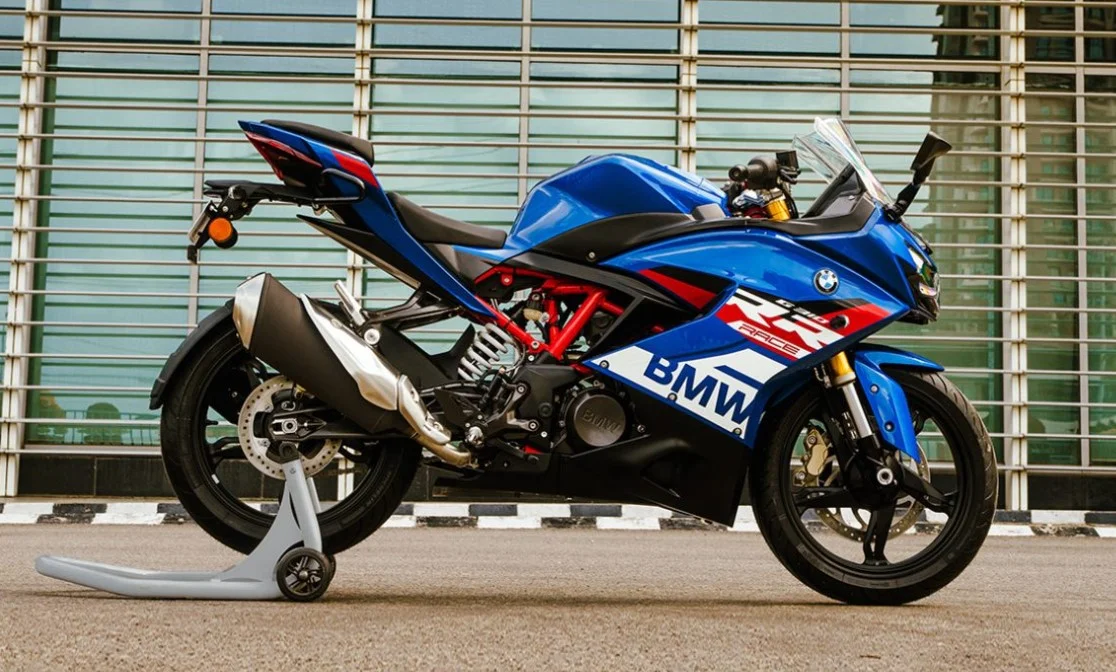
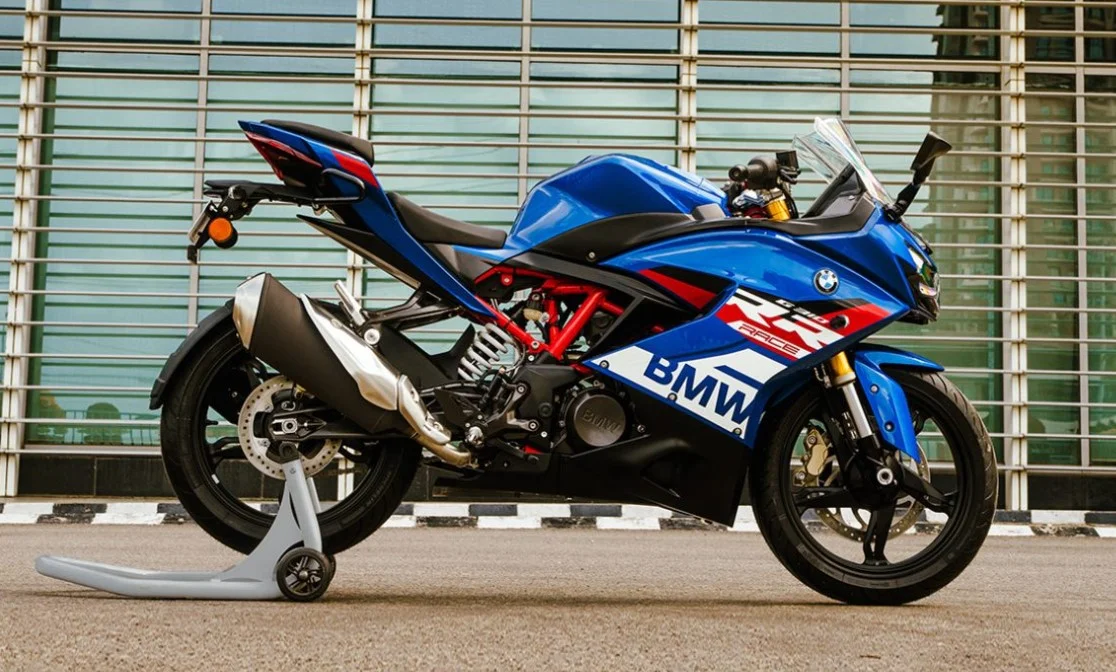
The BMW G 310 RR is a popular choice for riders upgrading from entry-level vehicles. They value how its manageability and power balance allow someone to develop core abilities without feeling overwhelmed.
Regardless of the vehicle you select, keep in mind that buying a BMW sports bike or any other performance motorcycle is just the beginning. What really pays off is the discipline you develop behind the handlebars. That means steady hands, focused attention and respect for what the road and the machine can teach you.