Sign up with Google
 Sign in with Zoho


Designing a kitchen or bathroom is not only about visual appeal. These rooms are exposed to water along with steam and humidity on a regular basis. That is why every material used in these spaces must offer strength along with resistance to moisture. Choosing the right foundation becomes the most important step. This is where the application of plywood in wet zones needs special attention.
Why Kitchens and Bathrooms Need Stronger Materials:
Everyday tasks in a kitchen include washing vegetables along with cleaning vessels and wiping counters. All these activities bring surfaces in constant contact with water. Bathrooms face similar challenges. From shower sprays to wet towels on cabinets, moisture is always present. Standard wood or basic plywood does not survive in such situations for long. It swells and weakens easily. That is why you must select waterproof plywood as your base material.
What Makes Waterproof Plywood Different:
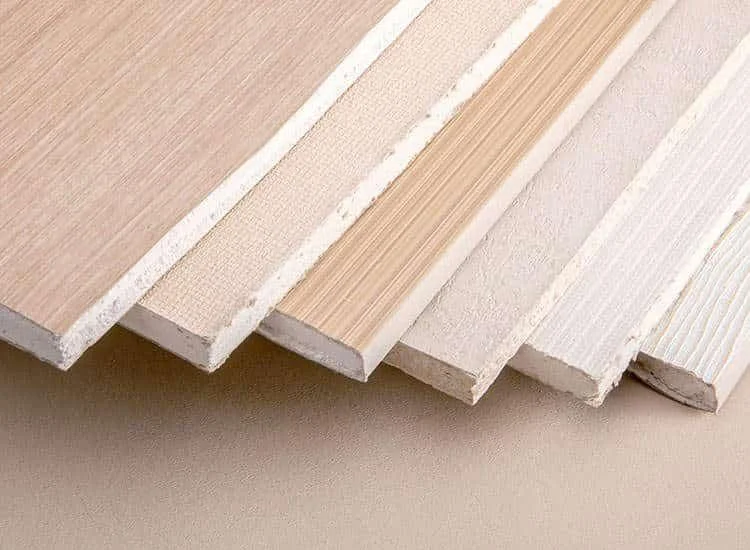
Normal plywood is water absorbent. This results in warping and rotting and fungi. Waterproof plywood is constructed with the help of special resins that cover the surface and prevent the entry of water. These panels are processed in such a way that they can withstand boiling water and are stable in damp conditions. This characteristic renders them a good option when it comes to long-lasting kitchen cabinets and bathroom counters.
Best Uses of Plywood in Kitchens:
There are various areas in kitchens which require structural support. All these are either direct or indirect contact with water and heat. The most typical uses of plywood in contemporary kitchen designs are as follows:
Carcases and shelves below sinks are the most exposed to water.
Pantry units are typically equipped with heavy jars and groceries and need to be able to support a constant load.
-
Overhead units mounted on the wall should be resistant to steam generated during cooking sessions.
-
In-built seating areas in the dining areas should have strong surfaces that can be wiped regularly.
-
Kitchen trolleys and mobile units should be able to endure daily wear and the occasional spills.
All these areas can be used with waterproof plywood that does not weaken with time.
Plywood vs Other Materials in Wet Areas:
A lot of individuals think of using MDF or particle board in the kitchen and bathroom due to the cost. However, such materials are not as protective as waterproof plywood. They absorb water and begin to decompose in several months. Internal decay can occur even in surface laminates in case the core is weak. This is why the professionals advise using the appropriate base instead of spending money on repairs in the future.
Long-Term Value of Waterproof Plywood:
The decision to use waterproof plywood brings more than just functional advantage. It prevents unexpected breakdowns and delays in routine activities. For example, a broken bathroom cabinet can create hazards and inconvenience. Replacing damaged kitchen shelves leads to clutter and added expense. Choosing waterproof panels reduces all these disruptions by increasing the life of core furniture.
How Sainik710 Stands Apart in Wet Applications:
Many plywood brands claim water resistance. But very few actually offer protection at boiling water levels. Sainik710 stands out because it is engineered with specific features for long-term use in damp areas. It comes with BWP grade quality that can withstand both hot and cold water conditions. This makes it especially suitable for kitchens that have heavy cooking schedules and bathrooms where hot water is used regularly.
Sainik710 also passes key technical tests for bonding strength and bending resistance. That means your cabinets will not bend or come apart due to weight or pressure. Every panel has a uniform structure which keeps furniture balanced even after years of service.
The Right Way to Build Moisture-Proof Interiors:
Interior designers and homeowners should always start by identifying areas that need special treatment. Once those zones are marked, the right application of plywood must be selected. For dry zones, basic plywood might work. For wet zones, only waterproof plywood should be considered. This strategic planning leads to a cleaner layout and better results over time.
Cleaning and Maintenance Made Easier:
The advantage of waterproof plywood that has been ignored is that it is easy to maintain the kitchen and bathroom space. Furniture that is resistant to water has fewer stains and fewer mould possibilities. Cleaning surfaces will not harm the board. Even years of cleaning do not result in any swelling. This ensures that day to day maintenance of all forms of households is quicker and safer.
Conclusion
The success of any kitchen or bathroom interior is in its base. The correct application of plywood will make the structure solid on the inside. When it comes to places that are highly humid, waterproof plywood is the best option to consider. CenturyPly Sainik710 is a product that offers this strength with a proven formula that offers safety and reliability. This grade of plywood will give you peace of mind that is here to stay whether you are constructing new spaces or remodelling old spaces.