Sign up with Google
 Sign in with Zoho

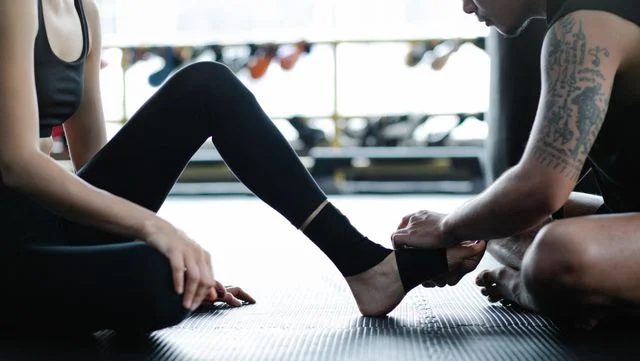
When an athlete sustains a sports injury, the initial pain and frustration can overshadow everything else. Yet what happens in the weeks and months following that injury often determines whether an athlete returns to competition stronger or struggles with lingering weakness and chronic issues. Rehabilitation requires discipline, consistency, and a clear strategy to remain at the forefront of daily life when other pressures compete for attention.
Understanding Why Rehabilitation Gets Neglected
Athletes frequently deprioritize rehabilitation once the acute pain subsides. The injury no longer dominates their thoughts as it did immediately after the incident, and the psychological drive to return to normal can lead people to skip sessions or reduce effort in prescribed exercises. Additionally, rehabilitation work lacks the immediate gratification of actual sports performance. Running drills in a clinic or completing mobility exercises at home does not provide the same excitement as competing on a field, court, or track.
Financial considerations can also create obstacles. Physical therapy appointments, follow-up evaluations, and specialized treatments may add up over time, causing some athletes to reduce participation in their rehabilitation plan. Job responsibilities, family commitments, and social obligations can further crowd already busy schedules. Without a deliberate effort to protect rehabilitation time, recovery can easily take a back seat to other priorities.
Creating a Structured Rehabilitation Schedule
One of the most effective ways to prioritize rehabilitation is to treat it as a mandatory commitment rather than an optional activity. Scheduling appointments and exercises at consistent times each day or week helps establish a routine that becomes second nature. For example, attending therapy sessions every Tuesday and Thursday morning and performing home exercises each evening removes uncertainty from the process.
Written schedules, phone reminders, and fitness tracking apps can help reinforce consistency. Many athletes find it useful to post their therapy routines somewhere visible, such as a refrigerator, home office, or workout area. These visual reminders reduce the likelihood of skipped sessions and reinforce accountability.
Breaking large recovery goals into daily tasks can also make rehabilitation feel more manageable. Rather than focusing solely on returning to competition, concentrate on completing each prescribed exercise session, stretching routine, or strengthening program as directed.
Monitoring Progress and Adjusting Expectations
Tracking improvement can serve as a powerful source of motivation throughout recovery. Athletes can record measurements such as pain levels, range of motion, balance, strength gains, or exercise repetitions. Even modest improvements become meaningful when documented over time.
For example, recovering athletes may notice that they can walk farther, lift slightly more weight, or perform exercises with better form than they could just a few weeks earlier. These achievements demonstrate that rehabilitation efforts are producing results.
It is equally important to maintain realistic expectations. Recovery rarely follows a perfectly straight path. Some days will feel more productive than others, and occasional plateaus are common. Setting small, achievable milestones helps maintain motivation and provides regular opportunities to celebrate progress. Reaching goals such as returning to light jogging, completing a pain-free workout, or regaining a specific range of motion can create momentum toward larger objectives.
Building a Support System Around Your Recovery
Recovering from a sports injury is often easier when you have support from others. Family members, teammates, coaches, and friends can provide encouragement and accountability throughout the rehabilitation process.
A strong support network can help athletes stay committed during difficult periods. Teammates may check in regularly, while coaches and trainers can monitor progress and adjust expectations based on recovery milestones. Simply knowing that others are invested in your return to health can strengthen motivation.
Many athletes also benefit from connecting with others who have experienced similar injuries. Support groups, online communities, and recovery-focused forums can provide valuable advice and inspiration. Hearing success stories from people who have successfully returned to their sport often reinforces confidence and patience.
Shoulder injuries often require particularly consistent follow-through. Athletes undergoing intensive rotator cuff injury treatment frequently rely on structured rehabilitation programs to rebuild strength, restore mobility, and reduce the risk of future injury. Consistent participation in prescribed exercises plays a critical role in achieving a successful outcome.
Maintaining Mental Health During Recovery
The emotional side of rehabilitation is often overlooked, despite its significant influence on overall recovery. Athletes may experience frustration, anxiety, anger, or sadness when they are unable to participate in the activities they enjoy most.
Acknowledging these emotions is healthier than ignoring them. Speaking with a sports psychologist, counselor, coach, or trusted friend can provide valuable perspective and coping strategies during challenging periods. Mental resilience often develops alongside physical recovery.
It can also be helpful to pursue interests outside of sports while healing. Reading, learning a new skill, volunteering, focusing on academic goals, or exploring creative hobbies can provide a sense of accomplishment and balance. Maintaining a broader identity beyond athletic performance often reduces stress and helps athletes approach rehabilitation with greater patience.
Sleep, nutrition, and stress management also deserve attention. Quality sleep supports tissue repair, while a balanced diet provides the nutrients necessary for recovery. Managing stress effectively creates a healthier environment for both physical and mental healing.
Conclusion
Keeping rehabilitation a priority after a sports injury requires commitment, structure, and patience. By establishing a consistent schedule, tracking measurable progress, building a reliable support network, and caring for mental well-being, athletes can remain fully engaged in the recovery process.
The effort invested in rehabilitation often determines the quality of an athlete's return to activity. Rather than viewing recovery as time lost, consider it an opportunity to build resilience, improve body awareness, and address weaknesses that may have contributed to the injury. When approached with the same dedication applied to training and competition, rehabilitation can become the foundation for a stronger and more confident return to sport.