Sign up with Google
 Sign in with Zoho

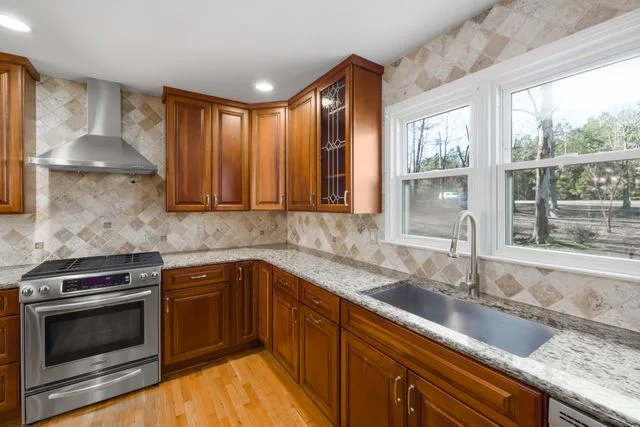
Many homeowners avoid kitchen renovations because they assume the process will be overwhelming, expensive, and disruptive to their daily lives. However, modern approaches to kitchen design and renovation have made the entire experience far more manageable than it was even a decade ago. With proper planning, realistic expectations, and the right team in place, a kitchen remodel can actually be a straightforward project that delivers impressive results without turning your home upside down. Understanding the fundamental steps and available options can transform what seems like an impossible task into an achievable goal that fits your schedule and budget.
Planning Your Project Scope
The foundation of an easy kitchen remodel starts with a clear understanding of what you actually want to accomplish. Rather than attempting a complete overhaul, many homeowners find success by identifying the specific problems they want to solve. For example, if your kitchen feels cramped, focus on improving workflow and storage rather than relocating plumbing or electrical systems. If lighting is poor, strategic fixture upgrades and under-cabinet lighting can make a dramatic difference without major construction. Taking time to define your priorities means you won't waste money on unnecessary work, and your project becomes more straightforward to manage from start to finish.
Setting a realistic budget early in the planning phase prevents surprises down the line. You don't need to spend a fortune to achieve meaningful improvements. Decide how much you're willing to invest, then work backward to determine which upgrades will have the biggest impact for your money. Minor cosmetic changes like cabinet refinishing, new hardware, updated flooring, and fresh paint can completely transform the look and feel of your kitchen without requiring structural work. Understanding your financial boundaries helps your contractor provide realistic timelines and prevents the project from spiraling into scope creep.
Choosing the Right Design Direction
Selecting a design style early helps organize your decisions and keeps the project focused. You don't need to hire an expensive designer to develop a cohesive kitchen aesthetic. Gather inspiration from sources like magazine clippings, social media platforms, and showroom visits to identify patterns in what appeals to you. Do you prefer modern minimalism, traditional warmth, farmhouse charm, or contemporary elegance? Once you identify your preferred direction, making decisions about cabinetry, countertops, backsplash, and finishes becomes much easier because you have a clear framework to guide your choices.
Working with pre-designed cabinet styles and standard sizes also simplifies the process significantly. Custom cabinetry can be beautiful but often requires longer lead times and higher costs. Stock and semi-custom cabinets offer tremendous variety and functionality at more reasonable price points. Similarly, choosing materials that are readily available avoids extended waiting periods and project delays. Many homeowners are surprised to discover that standard materials deliver excellent results that look custom-designed when properly coordinated with the rest of the kitchen.
Finding Trustworthy Contractors
Perhaps the most important factor in having an easy kitchen remodel is partnering with an experienced, reliable contractor or remodeling company. Homeowners who search for "kitchen remodel near me" can find and compare local professionals, review portfolios of completed projects, and find contractors who understand regional design preferences and building codes. A skilled contractor manages timelines, coordinates subcontractors, communicates with you throughout the process, and solves problems before they become major issues. Interview multiple contractors, ask for references you can actually contact, and review examples of their recent work. A contractor who listens carefully to your goals and asks good questions about your daily kitchen use is far more valuable than one who simply presents a predetermined plan.
Establishing clear communication channels and expectations prevents misunderstandings that could derail your project. Confirm the timeline, payment schedule, and process for addressing changes in writing before work begins. A detailed contract protects both you and your contractor by clarifying responsibilities and reducing ambiguity. Regular check-ins during the renovation keep you informed and allow you to address concerns before they accumulate. Contractors who maintain organized job sites, show up on schedule, and keep you updated are the ones who typically deliver the smoothest remodeling experience.
Managing the Renovation Timeline
Most kitchen remodels take between four and twelve weeks depending on the project's scope and complexity. Keeping a realistic timeline in mind helps you prepare mentally and logistically for the disruption. Small kitchen remodels focused on cosmetic updates might be completed in four to six weeks, while projects involving new plumbing, electrical work, or structural changes may take longer. Your contractor should provide a detailed schedule that accounts for permit approvals, material delivery times, and subcontractor availability. Understanding these timelines helps you plan for cooking alternatives and minimize inconvenience to your household.
Staying flexible during the renovation process often makes things easier rather than harder. Minor delays due to weather, material availability, or unexpected discoveries behind walls are normal parts of construction. Instead of becoming frustrated, view these situations as opportunities to make small adjustments or improvements. A contractor who communicates proactively about potential delays and solutions demonstrates professionalism and care for your project. Having a backup plan for meals and maintaining patience typically results in a better final outcome than rigid expectations that ignore real-world construction variables.
Conclusion
Kitchen remodels have become increasingly accessible to homeowners because modern products, professional services, and planning approaches have all improved substantially. By starting with a clear understanding of your goals, setting a realistic budget, developing a cohesive design direction, choosing reliable professionals, and maintaining reasonable expectations about timing, you can navigate the renovation process smoothly. The key is recognizing that you do not need to do everything at once or make every upgrade simultaneously. Even modest improvements implemented thoughtfully can dramatically enhance your kitchen's functionality and appearance. Planning your kitchen remodel is far simpler than you might imagine, and the results will likely exceed your expectations.