Sign up with Google
 Sign in with Zoho

For many people, accessing reproductive healthcare is about more than just finding a healthcare professional. Distance, work hours, transportation, childcare, privacy, and local services limitations can all create obstacles to an appointment.
Telehealth has helped alleviate some of that.
By giving people the ability to access a healthcare professional remotely, telehealth can make certain types of reproductive healthcare more accessible. It does not replace all healthcare, it is not right in every case, but it can be another way to help people access care when a virtual appointment may be right.
What is telehealth?
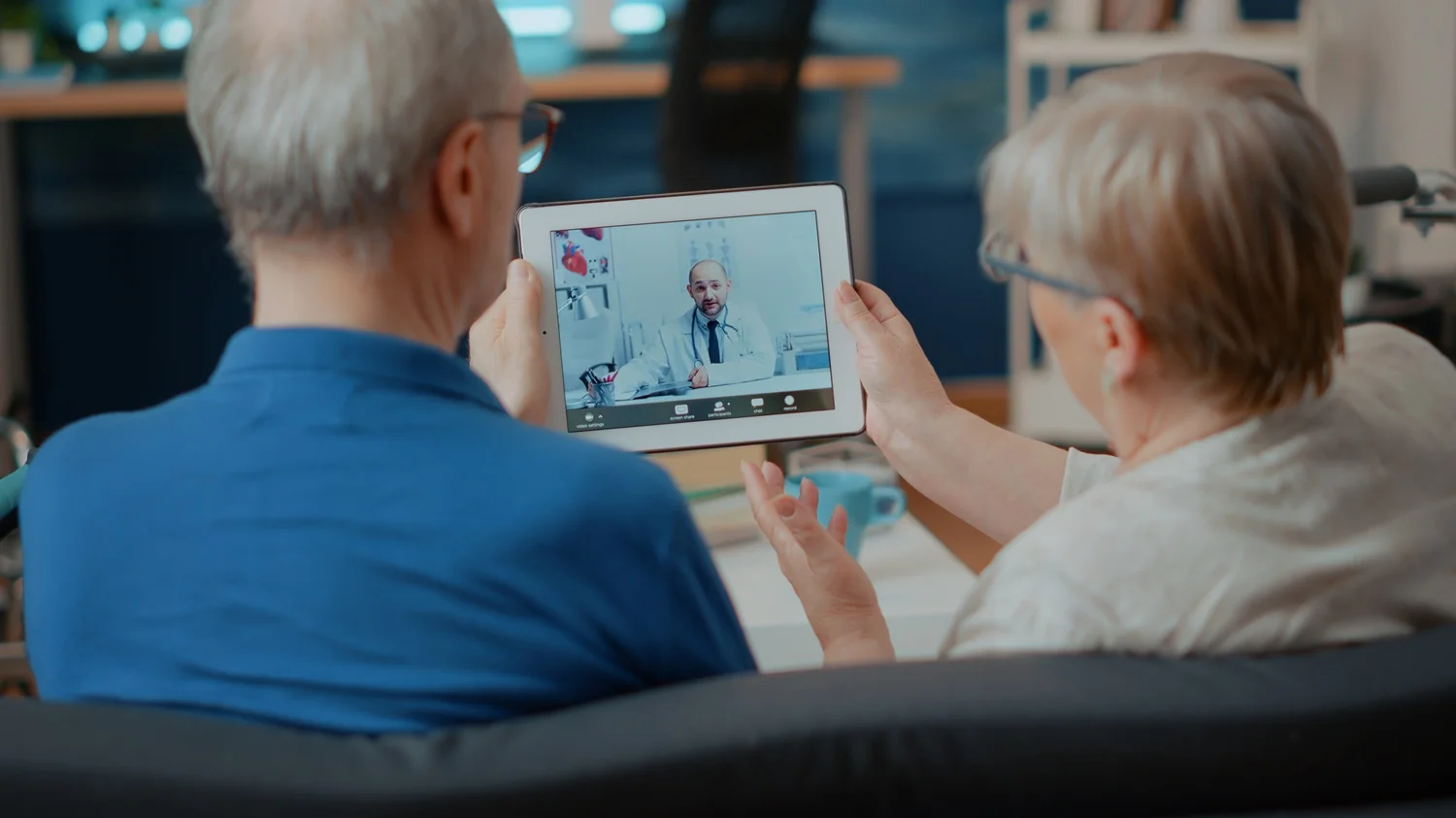
Telehealth is healthcare occurring between a patient and healthcare professional when those two people are not in the same location. Depending on the service involved, a healthcare interaction may happen via video chat, telephone, secure messaging, or other online platforms.
The U.S. Department of Health and Human Services has a definition that includes a live interaction or the transfer of medical information over time.
To a patient, that may seem fairly straightforward-a convenient way to have a healthcare team listen to a health history, answer questions, or follow up without leaving home. For someone living in a remote area or busy part of town, a virtual appointment can be an effective way to access necessary care.
Why would reproductive health benefit from virtual care?
Reproductive health encompasses many different health needs from contraception and sexual health to pregnancy-related care and abortion. Not all of these needs are the same when it comes to an appointment.
Some may simply require a conversation, review of someone's health history, or follow-up. These are areas where a telehealth appointment may be suitable.
A person who lives hours from an abortion provider, for example, may have an easier time accessing reproductive healthcare if she can have a virtual consultation as her first appointment. A working person who can't take time off for an appointment may find virtual healthcare a workable solution.
Telehealth cannot eliminate every barrier. Availability of reliable internet, access to a appropriate device, language needs, privacy needs, and tech literacy are all considerations. Still, in some cases, a telehealth solution can help.
How does that relate to medication abortion?
Medication abortion is one specific service where telehealth could play a part.
Depending on local circumstances and regulations, a person may submit health information online and then work with a licensed healthcare professional to determine whether the person is a candidate for medication abortion and whether additional evaluation is needed. (What information will be requested online or remotely may vary as rules change or vary by location.)
This is a different thing than saying someone can just take a quick online form. In some cases, a person's circumstances and health history may require extra steps such as lab tests, scans, or a visit to a provider's office.
That means telehealth may change how a person connects to care without necessarily removing the need for clinical judgment.
Is virtual healthcare always safer?
One of the biggest advantages of telehealth is the convenience. But that isn't the same as saying that convenience should be the critical factor in any given person's healthcare decision.
There are times when an in-person assessment is necessary, for instance a physical exam, imaging, a procedure, or urgent care needs.
That is part of why responsible telehealth involves knowing when someone is appropriate for virtual care and when they should be referred to an in-person healthcare team.
Patients should also know that a healthcare professional may need additional information or tests or even an in-person visit to make sure they are a candidate for medication abortion or any other service.
How do I find good information about reproductive health online?
Telehealth may be the newest way people are turning to in order to access care, but another recent change is how many people start their health research-the internet. A quick web search can turn up reputable government health agencies and organizations, commercial websites, medical blogs, social media, and many other sources.
Whether one creates the content or is reviewing it, it can be helpful to look up who created the material, whether they cite reliable sources, whether there's a clear publication date, and whether they involve qualified healthcare providers.
Government websites and other established medical organizations can be good starting points. The internet can be particularly helpful when trying to understand the context of something-one state's rules, for example, may be different from another's. Keeping in mind that situations change with time can be helpful, too.
What about online privacy?
For some people, reproductive health information may be deeply personal. For them, the ability to connect from a private location may be the greatest benefit of telehealth.
For others, their online healthcare communication may involve sharing very personal data, and they may want to ensure their device and connection are secure. Ensuring healthcare organizations are also dedicated to health privacy can be another aspect of online health.
What does the future hold?
Telehealth is not likely to replace all types of reproductive healthcare, but it may complement the existing system of doctors' offices, walk-in clinics, hospitals, and other providers.
If a person can have a telehealth appointment or potentially have one at the start of their healthcare journey, another person may only need an in-person visit. Some people may need only virtual healthcare and others only in person. Others will need both, depending on their circumstances and medical needs.
Technology platforms such as can assist by bringing people in touch with a doctor, nurse, or other licensed medical professional. It is still up to the healthcare professional to decide whether that person is likely to benefit from medication abortion and whether an in-person evaluation is required.
What a patient ultimately gets from a telehealth appointment is easy access to great care-a perfect way to turn digital convenience into real medical benefit.