Sign up with Google
 Sign in with Zoho

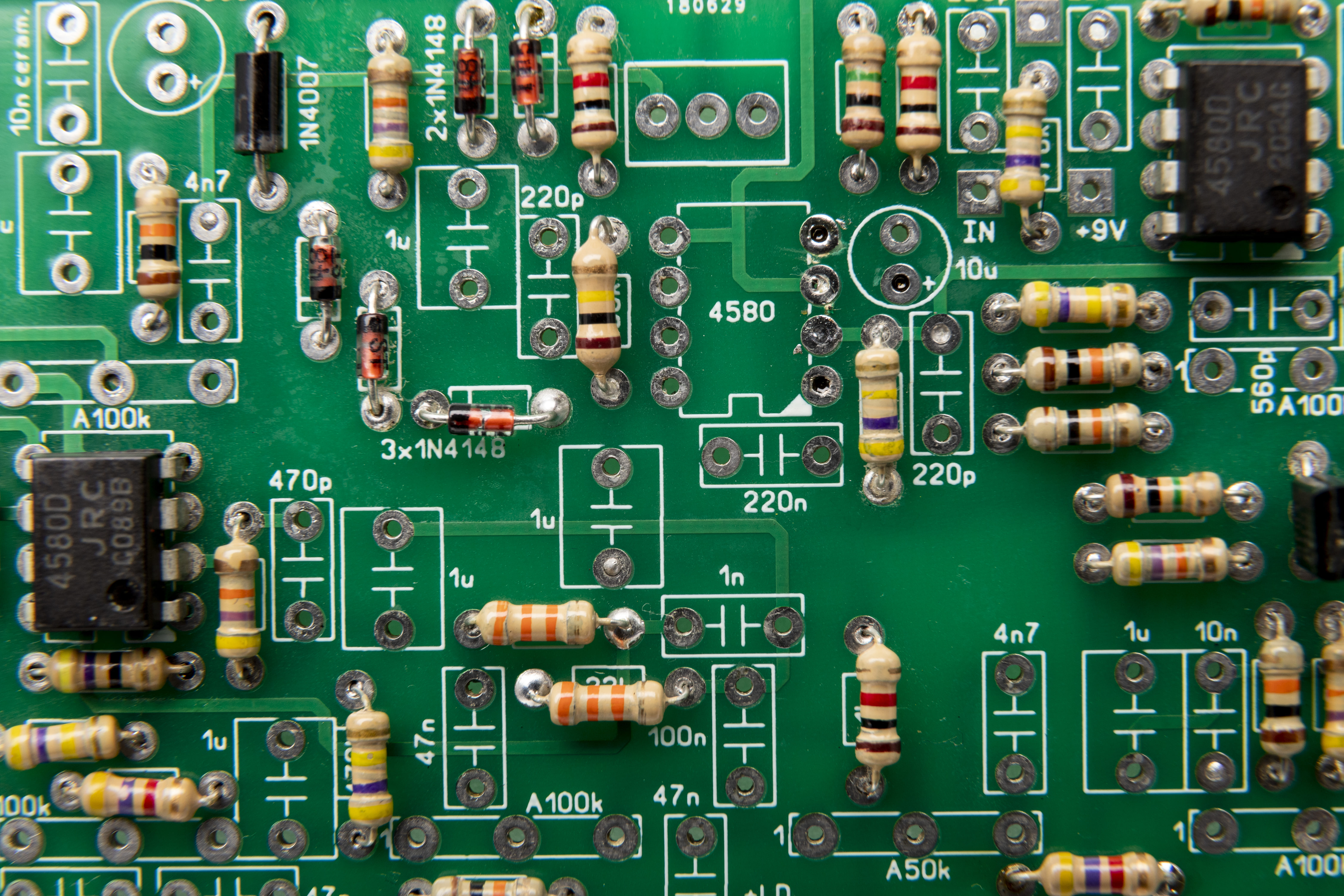
A poorly executed power supply PCB layout introduces ripple, electromagnetic interference (EMI), thermal stress, and premature component failure. Conversely, a well-optimized layout ensures stable voltage regulation, efficient current flow, and long-term reliability.
In modern printed circuit board design, simulation tools and premium components help, but the real-world performance of a power circuit is defined by electronic circuit board layout decisions — specifically placement and routing. Whether you are building a 5 V SMPS, a multi-rail embedded board, or a high-current industrial controller, applying disciplined layout principles is essential.
Why Component Placement Defines Power Integrity
Power supply PCB layout design begins with strategic placement. Smart PCB placement guidelines reduce voltage drop, control EMI emissions, and simplify thermal management before routing even begins.
High-current loops should be kept compact by grouping regulators, inductors, rectifiers, and MOSFETs close together. Minimizing loop area directly reduces radiated EMI and improves switching efficiency. In switching regulators, the input capacitor, switching device, and inductor should form the smallest possible current loop.
Decoupling capacitors must sit immediately adjacent to IC power pins. Even a few millimeters of extra trace length can increase parasitic inductance, allowing transient spikes and instability. For optimal PCB power distribution, the capacitor-to-pin connection should be short, direct, and wide.
Visualizing current flow across the board also improves placement quality. Map the energy path from input connector to regulator to output load, and align components along that direction. This reduces cross-coupling and improves layout clarity.
Sensitive analog sections should never share return paths with high-current switching loops. Segregating noisy and low-noise domains prevents ground bounce and signal corruption. Proper spacing also supports measurement access and airflow around thermally stressed components.
When placement is correct, PCB layout optimization becomes significantly easier during routing.
PCB Routing Techniques for Clean Power Delivery
Routing is where electrical performance is either preserved or compromised. Effective PCB routing techniques ensure stable voltage, reduced losses, and EMI compliance.
High-current traces must be short and wide. Copper width directly affects resistance, temperature rise, and voltage drop. In high-power sections, consider copper pours instead of simple traces to improve conductivity and thermal spreading.
A continuous ground plane is critical in any power design. It provides a low-impedance return path and stabilizes reference voltages. Split or fragmented planes often create unpredictable return currents, increasing EMI emissions.
Proper PCB grounding techniques are essential. Analog and digital grounds should remain separated until they converge at a controlled star point. This prevents high-frequency switching currents from polluting precision measurement circuits.
Switch nodes in a switching power supply PCB layout require special attention. These nodes exhibit high dV/dt and behave like miniature antennas. Keep them compact, shielded by ground copper where possible, and avoid routing sensitive traces beneath inductors or switching areas.
Feedback routing also demands discipline. Feedback traces should be short, isolated from noisy regions, and ideally routed as Kelvin connections to ensure accurate voltage sensing.
Clean routing is not about aesthetics — it is about electrical predictability.
Thermal Management in Power PCB Design
Thermal stress remains one of the most common failure mechanisms in power electronics. Even electrically sound designs fail prematurely when PCB thermal management is overlooked.
Power components such as regulators, diodes, and MOSFETs should not be clustered tightly unless supported by sufficient copper and airflow. Distributing heat sources reduces localized hot spots.
Copper pours serve a dual function: electrical conduction and heat dissipation. Large copper areas connected to thermal pads spread heat more evenly. Thermal vias stitched beneath power components further improve vertical heat transfer to inner layers or bottom copper.
Mechanical integration also matters. If the enclosure allows, thermally connecting hot zones to chassis or heatsinks enhances reliability.
During PCB layout optimization, visualizing airflow paths helps identify stagnant heat pockets. A balanced thermal design improves efficiency, extends component life, and stabilizes long-term performance.
Step-by-Step Guidelines for Power Supply PCB Layout
A structured approach improves consistency and manufacturability:
First, define voltage rails and estimate current levels. Prioritize high-current nets in routing strategy.
Place primary components — regulators, inductors, transformers, and rectifiers — to establish the core power path.
Position input and output capacitors tightly around the regulator IC. In a 5 V power supply circuit PCB layout, this proximity is crucial for ripple suppression.
Route high-current paths first. Maintain short loops and adequate copper width to minimize losses and electromagnetic emissions.
Define and protect your ground plane. Apply proven PCB grounding techniques to isolate noisy return currents.
Integrate thermal management early. Add copper zones, stitched vias, and thermal pads before finalizing placement.
Verify creepage and clearance distances, especially in mixed-voltage or mains-powered designs.
Finally, run DRC checks and review current flow visualization before manufacturing release.
These PCB layout guidelines for power supply circuits ensure electrical robustness and production readiness.
Common Power Layout Mistakes
Even experienced engineers occasionally overlook fundamentals. Frequent errors include:
Long, narrow power traces that cause voltage drop and excessive heating. Shared ground returns between high-current switching circuits and sensitive analog blocks. Oversized switch node copper areas that radiate EMI. Postponing thermal planning until prototype validation.
PCB design best practices may begin at the schematic stage, but they are perfected in layout execution.
Real-World Layout Optimization Example
Consider a compact industrial controller featuring a simple power supply PCB layout for a regulated 5 V rail. Initial testing revealed excessive ripple and regulator overheating.
After revisiting the power supply PCB layout design, engineers reduced loop area, introduced Kelvin feedback routing, and expanded copper pours beneath heat-generating components. These refinements reduced output ripple by 75% and lowered inductor temperature by nearly 15°C.
Such improvements illustrate how PCB layout optimization directly influences EMI performance, thermal compliance, and long-term reliability.
Conclusion
A well-executed power supply PCB layout forms the backbone of stable electronic systems. Strategic placement, disciplined routing, robust grounding, and proactive thermal planning transform a basic design into a production-ready, standards-compliant solution.
Engineers who prioritize PCB power distribution, apply proven routing techniques, and integrate thermal management from the start consistently achieve higher reliability and lower failure rates.
For customers seeking expert validation, professional layout reviews can further refine power supply PCB layout design for performance, manufacturability, and compliance — ensuring that every circuit delivers clean, consistent power under real-world conditions.