Sign up with Google
 Sign in with Zoho
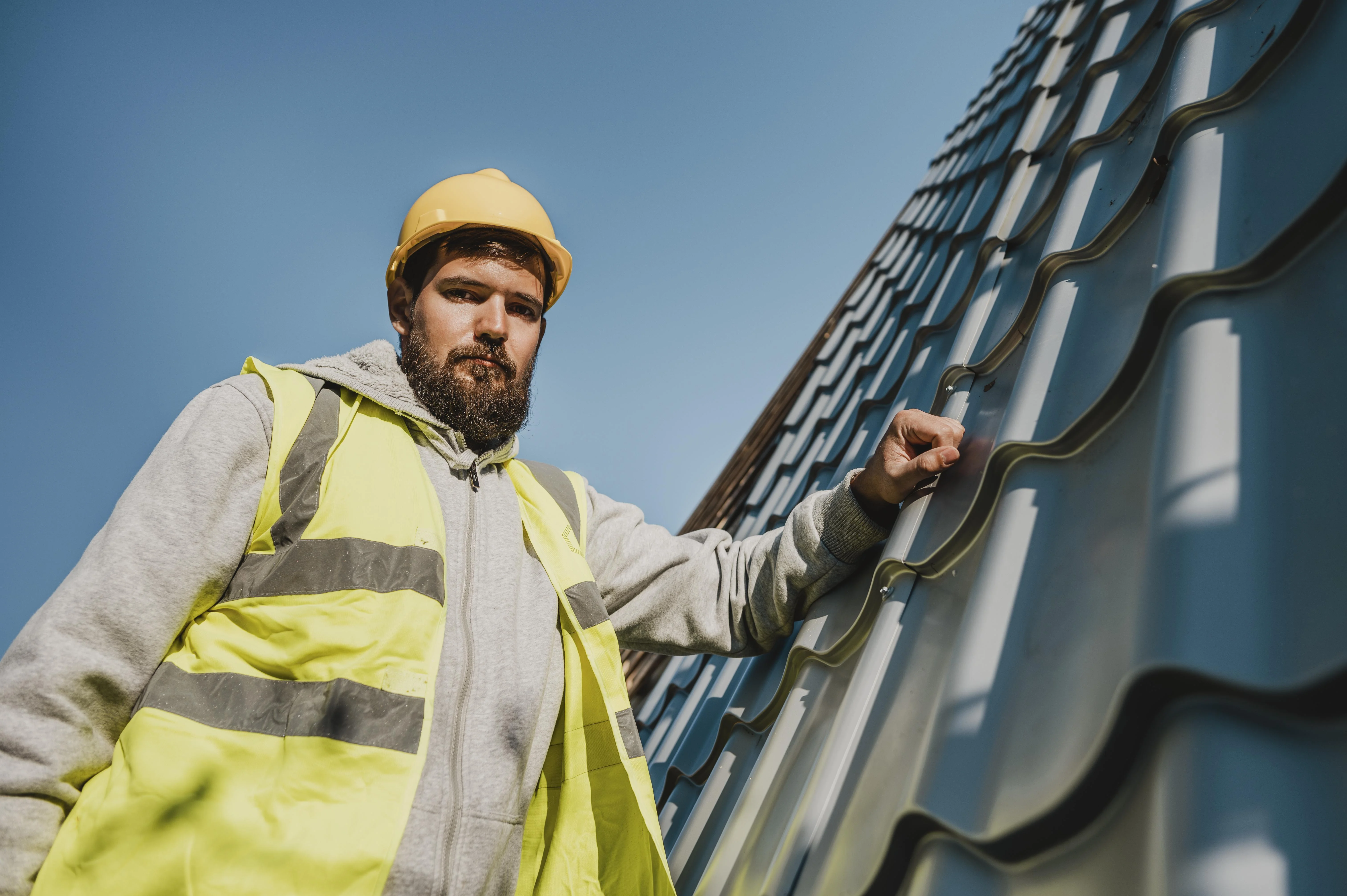
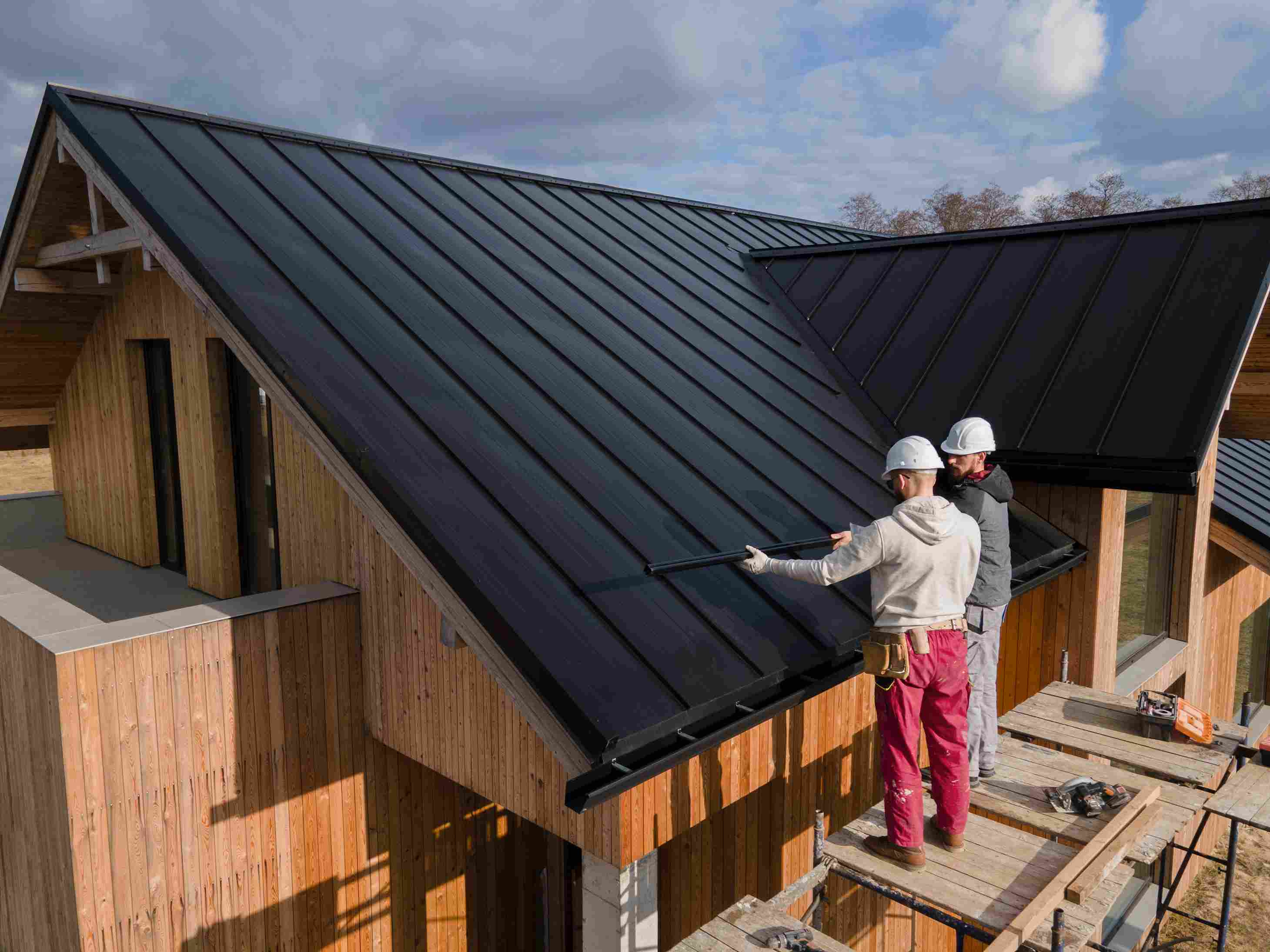
If your roof is looking worn, faded, or starting to show signs of rust, you're probably weighing up your options. Should you invest in repairs? Is restoration enough? Or is it time to replace the entire roof?
These are questions many homeowners ask, especially when roofing quotes start landing in their inbox.
The good news is that an ageing roof doesn't always need a complete replacement. In many cases, metal roof restoration can add years to the life of an existing roof while costing significantly less than installing a new one.
That said, restoration isn't the right solution for every roof. The value depends on the condition of the structure, the quality of the work performed, and your long-term plans for the property.
Let's take a closer look at what restoration involves, why metal roofing often costs more than shingles, and whether the investment makes financial sense over the long run.
Understanding Roof Restoration
Many homeowners think restoration is simply cleaning a roof and applying a fresh coat of paint.
Professional restoration goes much further than that.
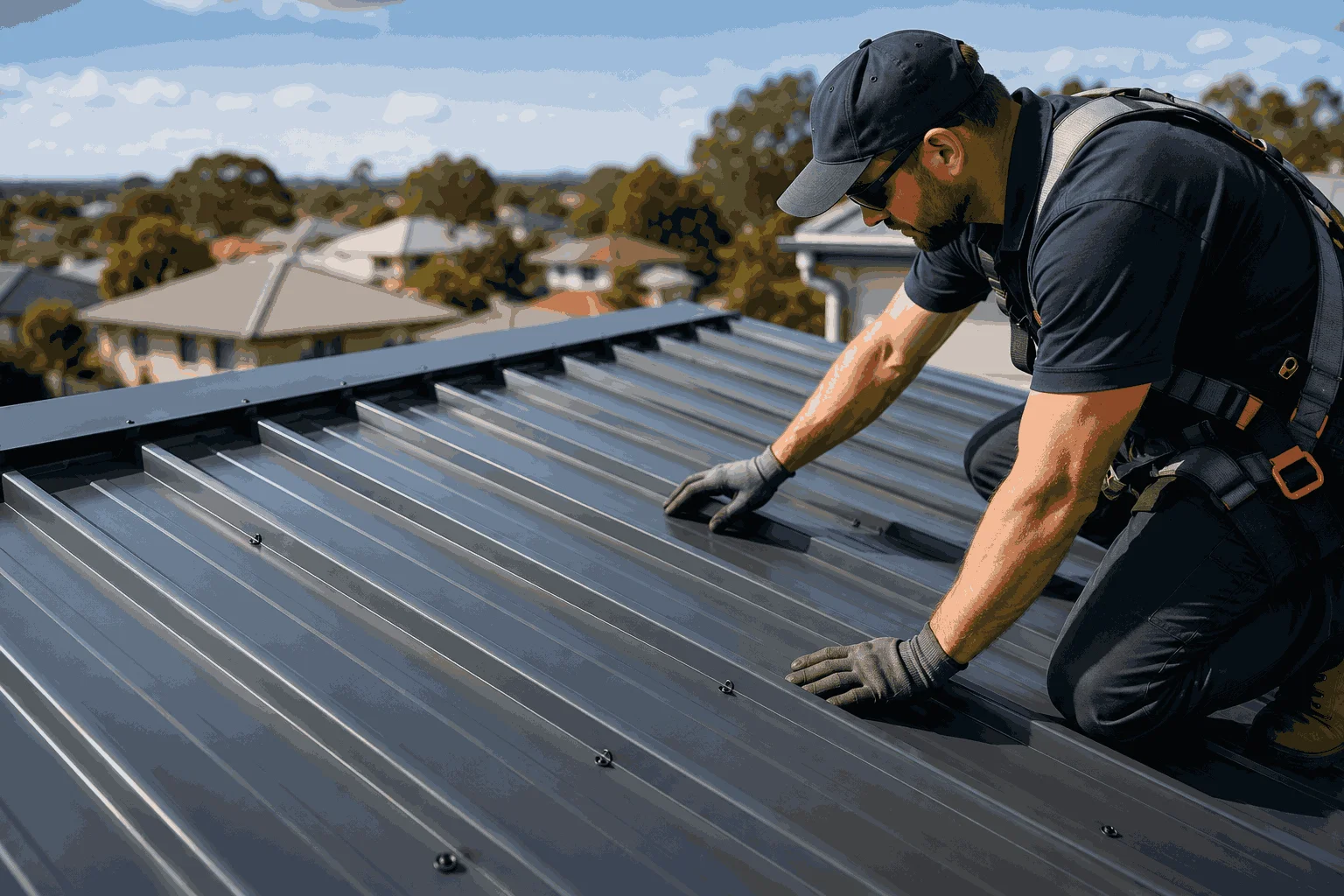
The process focuses on improving the roof's condition, fixing existing problems, and protecting it from future damage. A reputable contractor won't simply cover up issues. They'll identify them first and address them properly.
Most restoration projects include:
- A detailed roof inspection
- Pressure cleaning
- Rust treatment
- Replacing damaged screws and fasteners
- Repairing flashing issues
- Sealing vulnerable areas
- Applying primers and protective coatings
Each step plays an important role.
For example, applying coatings over untreated rust rarely produces lasting results. The corrosion continues developing underneath the surface, eventually causing coatings to fail.
A quality restoration addresses the cause of the problem, not just the visible symptoms.
Why Homeowners Choose Restoration Over Replacement
Cost is usually the biggest factor.
A full roof replacement is a major project. It involves removing existing materials, disposing of waste, purchasing new roofing products, and paying for extensive labour. Restoration often provides a more affordable alternative. Instead of replacing everything, contractors focus on extending the life of the current roof. As a result, homeowners can often achieve excellent results while spending considerably less.
However, cost isn't the only advantage. Restoration projects generally require less time to complete. There's less disruption around the property and fewer materials sent to landfill.
Many homeowners also appreciate the visual improvement. A roof can go from looking tired and neglected to appearing almost new again.
Is Metal Roofing Really Worth the Extra Cost?
This question appears frequently in homeowner forums and roofing discussions.
At first glance, metal roofing often seems expensive compared to traditional asphalt shingles. Naturally, many people wonder whether the higher upfront cost is justified.
The answer depends on how you measure value. If you're only comparing installation costs, shingles usually win. They are often cheaper to purchase and install. However, roofing isn't a short-term investment.
Most homeowners want a roof that will protect their property for decades, not just a few years. Once you start looking at long-term ownership costs, the conversation changes.
A standard asphalt shingle roof may last between 15 and 25 years depending on climate, maintenance, and product quality. Metal roofing often lasts much longer.
Many well-maintained steel roofs remain functional for 40 to 70 years. Some exceed that lifespan. That's a significant difference.
Imagine owning a home for 40 years. There's a good chance you may replace a shingle roof more than once during that period. Meanwhile, a quality metal roof could still be performing well with routine maintenance.
The durability also plays a role. Metal roofing stands up well against harsh weather conditions. Strong winds, heavy rain, hail, and prolonged UV exposure tend to have less impact compared to many traditional roofing materials.
As a result, homeowners often spend less on repairs over time.
So while the upfront investment is higher, the long-term value often outweighs the initial cost.
Why Is Metal Roofing More Expensive Than Shingles?
There's no avoiding the fact that metal roofing costs more upfront.
Several factors contribute to the price difference.
Higher Material Costs
Steel roofing products are engineered for durability. Manufacturers design them to resist corrosion, withstand weather exposure, and maintain structural integrity for decades.
That level of performance comes at a cost. The materials themselves are generally more expensive than asphalt-based products.
Specialist Installation
Installing steel roofing requires experience and precision.
Roofers must ensure panels are aligned correctly, flashings are installed properly, and fasteners are secured without causing future issues.
Small mistakes can lead to leaks or premature wear. Because of that, skilled installers invest years developing the expertise needed to perform the work correctly.
Longer Lifespan
The purchase price reflects the product's expected service life.
A roof designed to last several decades naturally costs more than one expected to require replacement sooner.
Many homeowners focus on the installation quote. However, experienced property owners often look at the total cost spread across the roof's lifespan. When viewed through that lens, metal roofing becomes far more attractive.
Energy Efficiency Can Reduce Ongoing Costs
Another benefit many homeowners overlook is energy efficiency.
Modern roofing coatings can reflect a significant amount of solar heat away from the building.
That means the roof absorbs less heat during warmer months. As a result, indoor spaces may remain cooler and air conditioning systems may not need to work as hard.
The actual savings vary depending on factors such as insulation, roof colour, local climate, and building design. Even so, many homeowners notice improved comfort levels after restoring their roof.
Over the years, those energy savings can help offset part of the restoration investment.
When Is Metal Roof Restoration the Right Choice?
Not every roof needs replacing.
In fact, many roofs that look old from the ground remain structurally sound.
Restoration often makes sense when the roof has:
- Surface corrosion
- Faded coatings
- Minor leaks
- Loose fasteners
- Weather-related wear
- Cosmetic deterioration
These issues may affect performance and appearance, but they don't necessarily mean the roof has reached the end of its life.
The key factor is structural integrity. If the roof deck and supporting framework remain in good condition, restoration can often deliver excellent value.
However, severe corrosion, major structural damage, or extensive water intrusion may point towards replacement instead.
That's why a professional inspection is so important. A qualified roofing contractor can determine whether restoration remains a viable option or whether replacement offers a better long-term solution.
The Environmental Benefits Often Go Unnoticed
Many homeowners focus solely on cost.
Yet environmental impact is becoming increasingly important.
A complete roof replacement generates substantial waste. Old materials must be removed, transported, and disposed of.
Restoration reduces that waste considerably. By preserving much of the existing roof, fewer materials end up in landfill and fewer new resources are required.
For environmentally conscious homeowners, that can be an important consideration. It's a practical way to extend the life of existing materials while reducing unnecessary waste.
How Long Does a Restored Roof Last?
This is another common question. The answer depends on several factors.
The age of the roof, its current condition, environmental exposure, maintenance practices, and the quality of workmanship all influence lifespan.
Generally speaking, a professionally restored roof can often provide another 10 to 20 years of reliable service.
Some roofs perform even longer when properly maintained. Regular inspections make a significant difference. Small issues are much easier and less expensive to address when caught early. Ignoring minor problems often allows them to develop into larger repairs later.
A proactive maintenance approach usually delivers the best return on investment.
Signs You Should Act Sooner Rather Than Later
Many homeowners delay roofing work because the problems seem minor.
Unfortunately, roofing issues rarely improve on their own.
- Rust spreads.
- Small leaks become larger leaks.
- Loose fasteners create opportunities for water entry.
The longer problems remain untreated, the more expensive repairs often become.
If you've noticed rust patches, recurring leaks, peeling coatings, or visible deterioration, arranging a professional inspection sooner rather than later is often the smartest move.
Early intervention typically provides more options and better outcomes.
The Bottom Line
Homeowners often focus on the initial cost of roofing work. That's understandable. Roofing projects represent a significant investment.
However, looking only at the upfront price rarely tells the full story. A quality roof protects your home, reduces maintenance headaches, improves street appeal, and can last for decades when properly maintained.
For many properties, metal roof restoration offers an effective way to extend roof life without the cost and disruption of a complete replacement. When the underlying structure remains sound, restoration can deliver excellent value and help postpone replacement for many years.
The best place to start is with a professional inspection. Once you understand the true condition of your roof, you'll be in a much stronger position to decide whether restoration or replacement is the smarter investment for your home.