Sign up with Google
 Sign in with Zoho

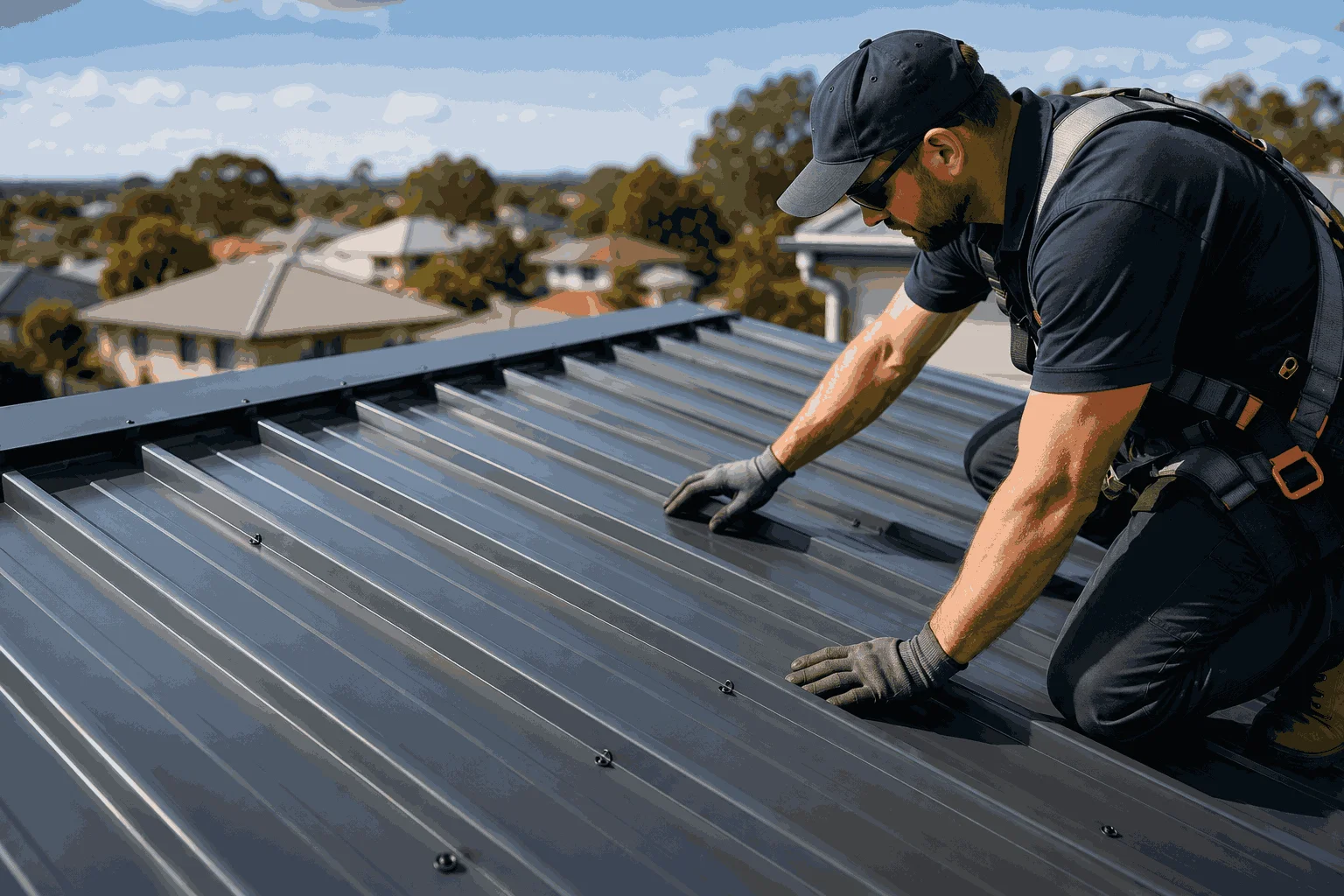
Most homeowners don't think much about their roof until something goes wrong. A small leak appears after heavy rain. A gutter starts overflowing. Rust starts to appear around roof screws, or a section of flashing begins to lift. By then, what could have been a quick fix may have turned into an expensive repair.
That's why regular maintenance matters. Following a roof maintenance checklist once a year gives you the chance to spot minor problems early, protect your investment, and keep your home safe from water damage. Whether you have a Colorbond roof, corrugated metal roof, or another type of metal roofing, a little attention each year can add years to its lifespan.
The good news? You don't need to be a roofing expert to recognise many of the warning signs. This guide covers the essential checks every homeowner should make and explains why each one matters.
Why Annual Roof Maintenance Is Worth Your Time
Your roof faces changing weather every single day. Rain, wind, harsh UV rays, fallen leaves, and temperature changes all leave their mark over time. While metal roofing is built to last, it still needs regular care to perform at its best.
Regular inspections help you:
- Catch small problems before they become major repairs
- Extend the life of your roofing system
- Reduce the risk of water damage inside your home
- Keep gutters and drainage working properly
- Improve your home's energy efficiency
- Maintain the value and appearance of your property
Many roofing issues develop slowly. A loose screw, damaged flashing, or blocked gutter may not seem urgent, but each can lead to costly repairs if ignored.
1. Inspect the Entire Roof Surface
Every roof maintenance checklist should begin with a careful inspection of the roof itself.
Start by walking around your property and looking up from different angles. Binoculars can help you spot potential issues without climbing onto the roof. You're simply looking for anything that seems out of place.
Keep an eye out for:
- Rust or corrosion
- Loose ridge capping
- Lifted roof sheets
- Missing or loose fasteners
- Dents caused by hail or fallen branches
- Scratches or damage to the protective coating
- Areas where the roof appears uneven
Even small defects deserve attention. Water has a way of finding the tiniest gaps, and once it gets inside, the damage can spread to insulation, timber, ceilings, and walls.
If you notice anything unusual or can't inspect the roof safely, arrange a professional inspection. Fixing a minor issue today is usually far less expensive than repairing widespread water damage later.
2. Clean Gutters and Downpipes
Your gutters do more than collect rainwater. They direct it safely away from your roof, walls, and foundations.
Over time, leaves, twigs, dirt, and even bird nests can build up inside the gutters. Once that happens, rainwater has nowhere to go. Instead, it spills over the edges or backs up beneath the roofing material, increasing the risk of leaks.
As you clean your gutters, make sure you:
- Remove all debris by hand or with a scoop
- Flush the gutters using a garden hose
- Check that every downpipe drains freely
- Tighten any loose brackets or supports
- Look for signs of rust, cracks, or sagging sections
Homes surrounded by large trees often need gutter cleaning more than once each year. If clearing debris has become a regular chore, installing gutter guards may help reduce the amount of maintenance required.
3. Check Roof Flashing for Early Signs of Damage
Roof flashing might not stand out, but it plays a big role in keeping water outside where it belongs.
As you work through your roof maintenance checklist, inspect the flashing around chimneys, skylights, roof valleys, vents, and anywhere the roof joins a wall. These areas naturally collect more water, making them common places for leaks to develop.
Watch for:
- Rust or corrosion
- Cracked or deteriorating sealant
- Loose fasteners
- Lifted flashing
- Small gaps where water could enter
A damaged section of flashing can allow moisture into the roof cavity long before you notice stains on your ceiling. Replacing worn flashing early is a simple repair compared with fixing rotten timber or mould caused by an ongoing leak.
4. Remove Moss, Lichen, and Built-Up Debris
Moss and organic growth trap moisture against metal roofing. Over time, that constant dampness can encourage corrosion, damage protective coatings, and shorten your roof's lifespan.
Leaves and small branches can cause problems too. They block drainage paths, trap moisture, and create the perfect environment for moss and lichen to spread.
If you notice organic growth starting to develop:
- Remove loose debris regularly
- Use roof-safe cleaning products
- Trim nearby branches to increase sunlight
- Avoid using high-pressure washers unless they're suitable for your roofing material
If the growth covers a large section of the roof, it's often safer to have it cleaned professionally.
5. Look for Signs of Water Damage Inside Your Home
Not every roofing problem starts outside. Sometimes the first clues appear indoors.
Walk through your home and inspect ceilings, walls, and the roof cavity if it's accessible. Pay close attention after periods of heavy rain.
Common warning signs include:
- Brown or yellow water stains
- Peeling paint
- Damp insulation
- Mould or mildew
- Musty smells
- Bubbling plaster
These signs don't always mean your roof is failing, but they do tell you that moisture is getting somewhere it shouldn't. Finding the source early can prevent much larger repairs later.
6. Trim Overhanging Tree Branches
Trees add shade and improve street appeal, but branches hanging over your roof can create ongoing maintenance problems.
During strong winds, branches can scratch metal roofing, damage gutters, or break off completely. Even without storms, falling leaves quickly fill gutters and encourage moss to grow.
Pruning nearby trees helps:
- Reduce debris on the roof
- Protect metal roofing from scratches
- Lower the risk of storm damage
- Keep gutters cleaner for longer
If large branches need to be removed, leave the job to a qualified arborist.
7. Check Roof Vents and Ventilation
Good ventilation helps your roof perform properly throughout the year.
Without enough airflow, heat and moisture can build up inside the roof space. Over time, that extra moisture may contribute to mould, timber deterioration, or reduced insulation performance.
Take a few minutes to inspect roof vents and make sure they:
- Aren't blocked by leaves or nests
- Have secure covers
- Show no signs of cracks or corrosion
- Still allow air to circulate freely
Healthy airflow doesn't just protect your roof. It can also help improve comfort inside your home and reduce unnecessary strain on your roofing system.
8. Check Roof Valleys for Debris and Damage
Roof valleys handle some of the highest volumes of rainwater during a storm. Because of their shape, they also collect leaves, twigs, and other debris much faster than other parts of the roof.
If debris is left to build up, water can't drain properly. Instead, it begins to pool, increasing the risk of corrosion, blocked drainage, and leaks beneath the roof sheets.
Take a close look at each valley and check for:
- Leaves and branches blocking water flow
- Rust or corrosion on metal valleys
- Loose or damaged valley flashing
- Water stains or signs of prolonged moisture
- Debris collecting around drainage points
Keeping roof valleys clear allows rainwater to drain quickly and helps protect your roof during heavy downpours.
9. Examine Fasteners and Roof Sheets
Your roof relies on hundreds of screws and fasteners to keep every sheet securely in place.
Over time, temperature changes can cause fasteners to loosen, while rubber washers gradually wear out. Even a small gap around a screw can become an entry point for water.
During your inspection, check for:
- Loose screws
- Missing fasteners
- Rusted fixings
- Lifted roof sheets
- Worn or cracked rubber washers
- Small gaps around screw heads
Replacing ageing fasteners is one of the simplest ways to prevent leaks and extend the life of your metal roof.
10. Check Skylights, Vents, and Roof Penetrations
Every opening through your roof deserves extra attention. Skylights, plumbing vents, exhaust fans, solar panel brackets, and antennas all rely on flashing and sealants to keep water out.
Inspect the areas around:
- Skylights
- Plumbing vents
- Exhaust fans
- Solar panel mounting brackets
- Antennas
Look for cracked sealant, loose flashing, corrosion, or visible gaps around each penetration.
These components naturally expand and contract as temperatures change. Over time, movement can weaken seals and create small openings that allow water into your roof cavity.
11. Prepare Your Roof for Storm Season
Storms can expose weaknesses that aren't obvious during dry weather. A loose roof sheet or damaged flashing may go unnoticed until heavy rain and strong winds put your roof under pressure.
Before storm season arrives, take time to:
- Secure loose roof sheets and ridge capping
- Clean gutters and downpipes
- Remove overhanging branches
- Check flashing around roof penetrations
- Inspect the roof after severe weather
A little preparation now can save you from unexpected repairs later.
If your property has recently experienced hail, high winds, or falling branches, consider arranging a professional inspection. Some forms of damage aren't easy to spot from the ground.
12. Schedule a Professional Roof Inspection
Some roofing problems are difficult to detect without experience.
Hidden corrosion, loose fasteners, deteriorating sealants, damaged flashing, or early signs of structural movement can easily go unnoticed during a visual inspection.
That's why every roof maintenance checklist should include a professional inspection at least once a year.
An experienced roof plumber can identify developing issues before they become expensive repairs. They can also recommend preventative maintenance that helps extend the life of your metal roof and keeps it performing at its best.
Professional inspections are especially valuable if your roof is more than 15 years old or has recently been exposed to severe weather.
Common Signs Your Roof Needs Immediate Attention
Routine maintenance helps prevent problems, but some warning signs shouldn't be ignored.
Arrange a professional inspection if you notice:
- Water stains on ceilings
- Sagging or overflowing gutters
- Loose or lifted roof sheets
- Rust spreading across metal roofing
- Water overflowing from gutters during rain
- Damp patches inside the roof cavity
- Mould or mildew near ceilings
- Higher-than-usual heating or cooling costs
These issues often point to underlying problems that become more expensive the longer they're left unresolved.
Simple Ways to Extend Your Roof's Lifespan
Looking after your roof doesn't require complicated maintenance. Small jobs completed consistently can make a significant difference over time.
Make these habits part of your yearly routine:
- Clean gutters regularly.
- Remove leaves before they collect in roof valleys.
- Trim back overhanging trees.
- Repair loose flashing and fasteners promptly.
- Schedule an annual roof inspection.
- Check your roof after major storms.
- Keep roof ventilation free from blockages.
Preventative maintenance is almost always more affordable than repairing extensive water damage or replacing large sections of roofing.
Keep Your Roof in Great Shape
A well-maintained metal roof protects everything beneath it. Spending a little time each year checking key areas can help you avoid leaks, corrosion, and unexpected repair bills.
Following a roof maintenance checklist gives you a practical way to stay ahead of potential problems instead of reacting after damage has already occurred. Combined with regular professional inspections, these simple maintenance habits can help your roof perform reliably for decades.
If you're unsure about your roof's condition or would like an expert assessment, the team at Dependable Roof Plumber is here to help. From roof inspections and preventative maintenance to repairs, guttering, and roof plumbing services, we'll help keep your metal roof in excellent condition all year round.