Sign up with Google
 Sign in with Zoho
Most of us don't think about our bathroom counters until we're standing in front of one that looks off. Toothpaste smudges, mismatched bottles, a soap pump that's seen better days. It's not dirty, exactly. It's just... unconsidered.
The good news is that bathrooms are one of the easiest rooms in the house to upgrade without a renovation. You don't need new tile or a different vanity. You need a handful of objects that are actually pleasant to look at and touch, sitting in the spots your eyes land on every single day.
Here's where to start.
Start With What You Touch Most
Before picking paint colours or new fixtures, look at what you physically interact with every morning and night. For most people, that's the soap dispenser. It gets touched more than almost anything else in the room, multiple times a day, by everyone in the house.
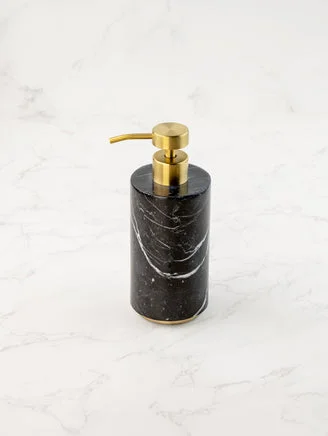
Which makes it a strange thing to leave as an afterthought. A lot of bathrooms still have the plastic pump bottle that came free with something else, sitting right in the middle of an otherwise nice counter. Swapping it for something made of real material, natural stone, is one of those upgrades that's disproportionately noticeable given how little effort it takes. Organic Home's marble soap dispensers and soap dishes are a good reference point for what this looks like done well: solid stone bodies, refillable pumps, and a range of stone tones, from quiet white Solena marble to a deeper, more confident Black Marquina, so there's a fit for almost any bathroom palette.
Weight and Material Do a Lot of Quiet Work
There's a reason interior designers talk about "weight" in a room. Heavier, denser materials read as more considered, even when they're small. A marble soap dish sitting next to a ceramic sink has a different presence than a plastic one. It's not louder. It's just more solid, more permanent, more like it belongs there rather than having been picked up in a hurry.
This is also why natural stone accessories tend to age better than most alternatives. They don't yellow, they don't crack from daily use, and the veining that runs through each piece means no two are identical. A plastic dispenser looks the same on day one and day five hundred, and not in a good way.
Build in Layers, Not All at Once
You don't need to redo an entire counter in one trip. Most people start with one piece, usually the soap dispenser since it's the one already in daily rotation, and build from there once they see how much difference it makes. A matching soap dish comes next, then maybe a tumbler or a small tray for rings and jewellery taken off before a shower.
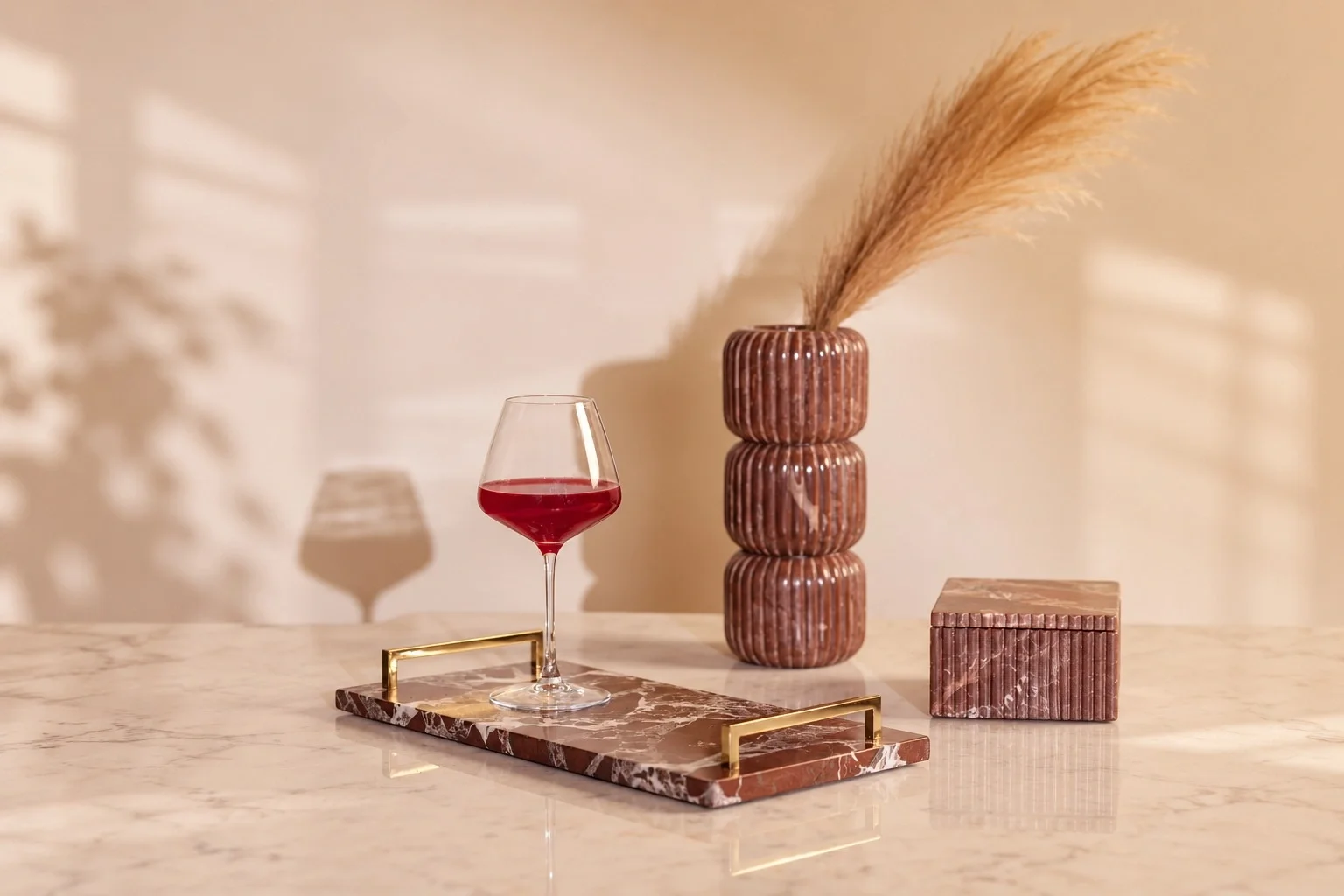
The trick is staying in one material family as you go. Mixing marble with brass with ceramic with plastic ends up looking accidental rather than intentional. Picking one stone and adding to it slowly is what makes a counter look designed rather than assembled, and most stone types carry through the full bath accessories range so the matching pieces are already there when you're ready for them.
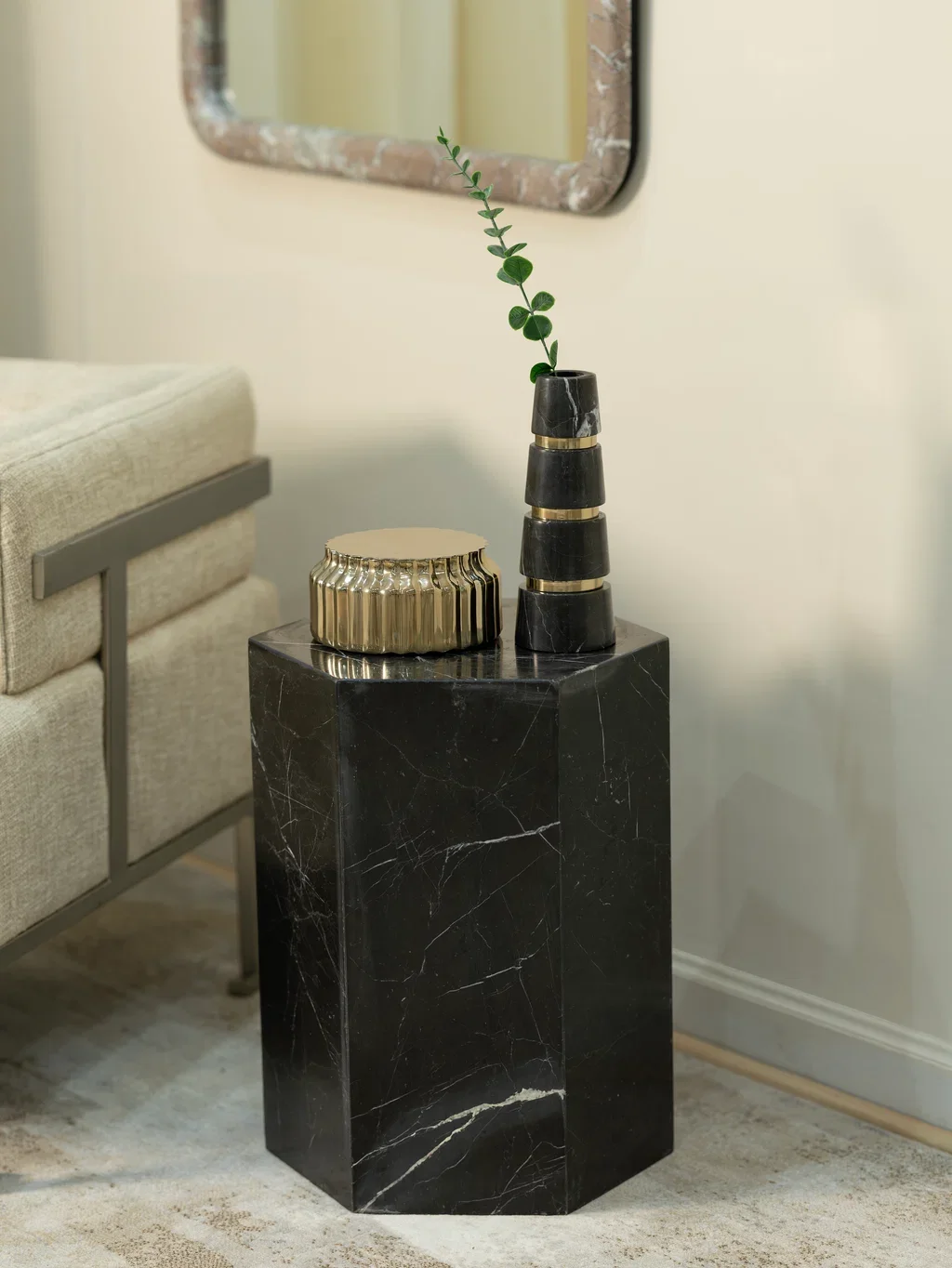
The same instinct holds outside the bathroom too. A counter that's been built up piece by piece in one stone tends to spill into the rest of the house eventually, a candle holder or a serving tray in the same material family showing up on a dining table or a console. Organic Home's Cavana collection, in fossil beige marble with brass accents, is a good example of that same idea carried into living and dining spaces.
It Doesn't Have to Be Expensive to Feel Expensive
There's a common assumption that a considered bathroom means a costly one. It doesn't. A single marble soap dispenser costs about the same as a mid-range skincare product, and it lasts years rather than weeks. The return on a small, well-made object that you see and use daily is genuinely different from most other things you could spend that money on.
If you're weighing where to put a small home upgrade budget this season, the bathroom counter is a strong candidate. It's high-visibility, low-effort, and the kind of change that guests notice without being able to say exactly why the room feels nicer.
The Short Version
A bathroom doesn't need a renovation to feel considered. It needs a few daily-use objects, starting with the soap dispenser, made from real material instead of an afterthought. Build in one stone family, add pieces slowly, and the counter starts to look like it was designed on purpose rather than stocked in a hurry.