Sign up with Google
 Sign in with Zoho
Furnishing a home is easy. Furnishing it well is the hard part. The difference usually comes down to how you choose your home decor items — not how many you buy, but whether each one is doing something the others aren't.
This guide walks through how to pick pieces room by room, what actually separates luxury home decor from décor that just looks luxury, and answers the questions people ask most before they buy.
Living Room: Anchor It With One Material Story
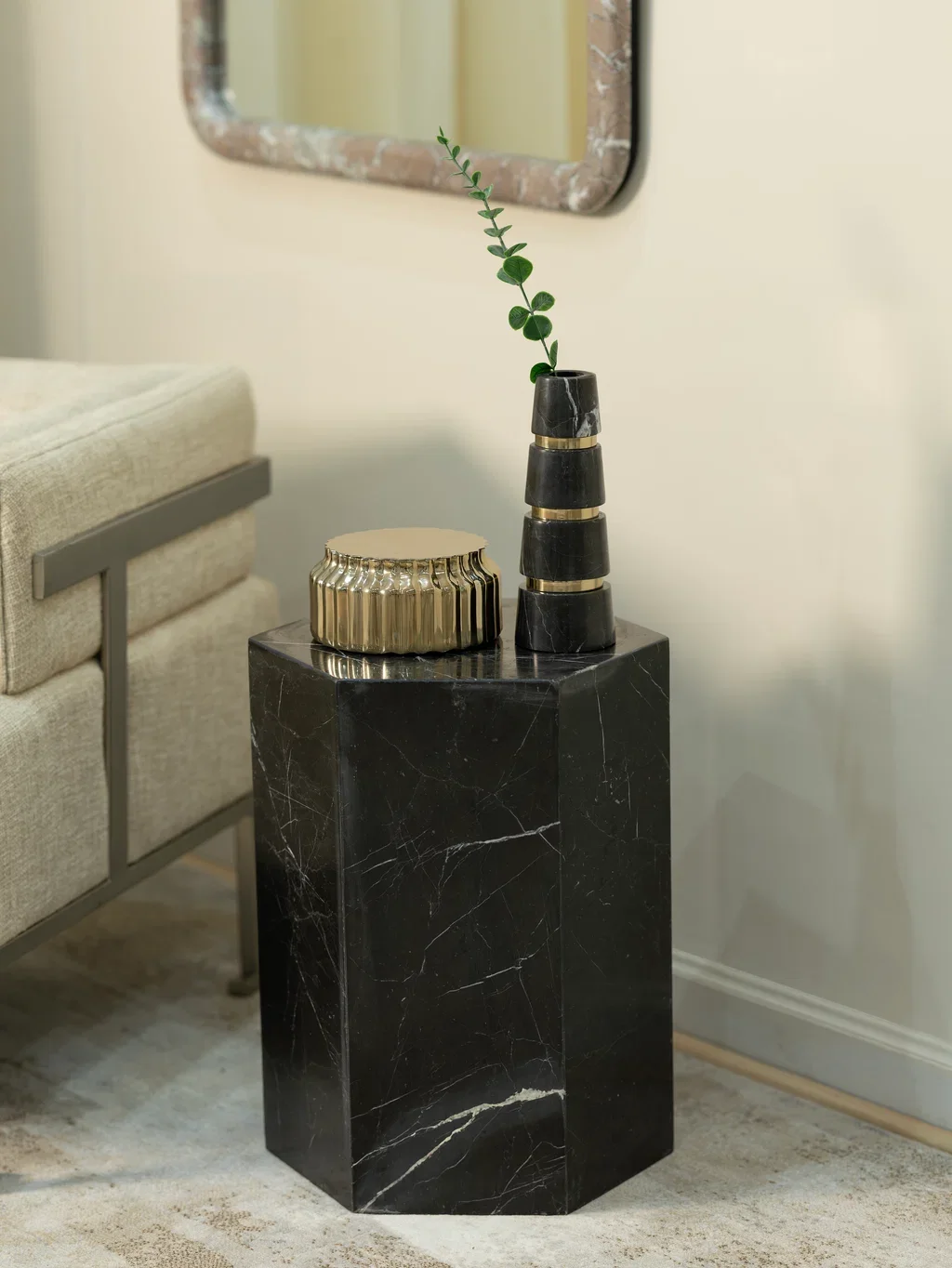
The living room is where most home decoration items end up competing for attention instead of working together. The fix is simpler than it sounds: pick one material and let it repeat across the room.
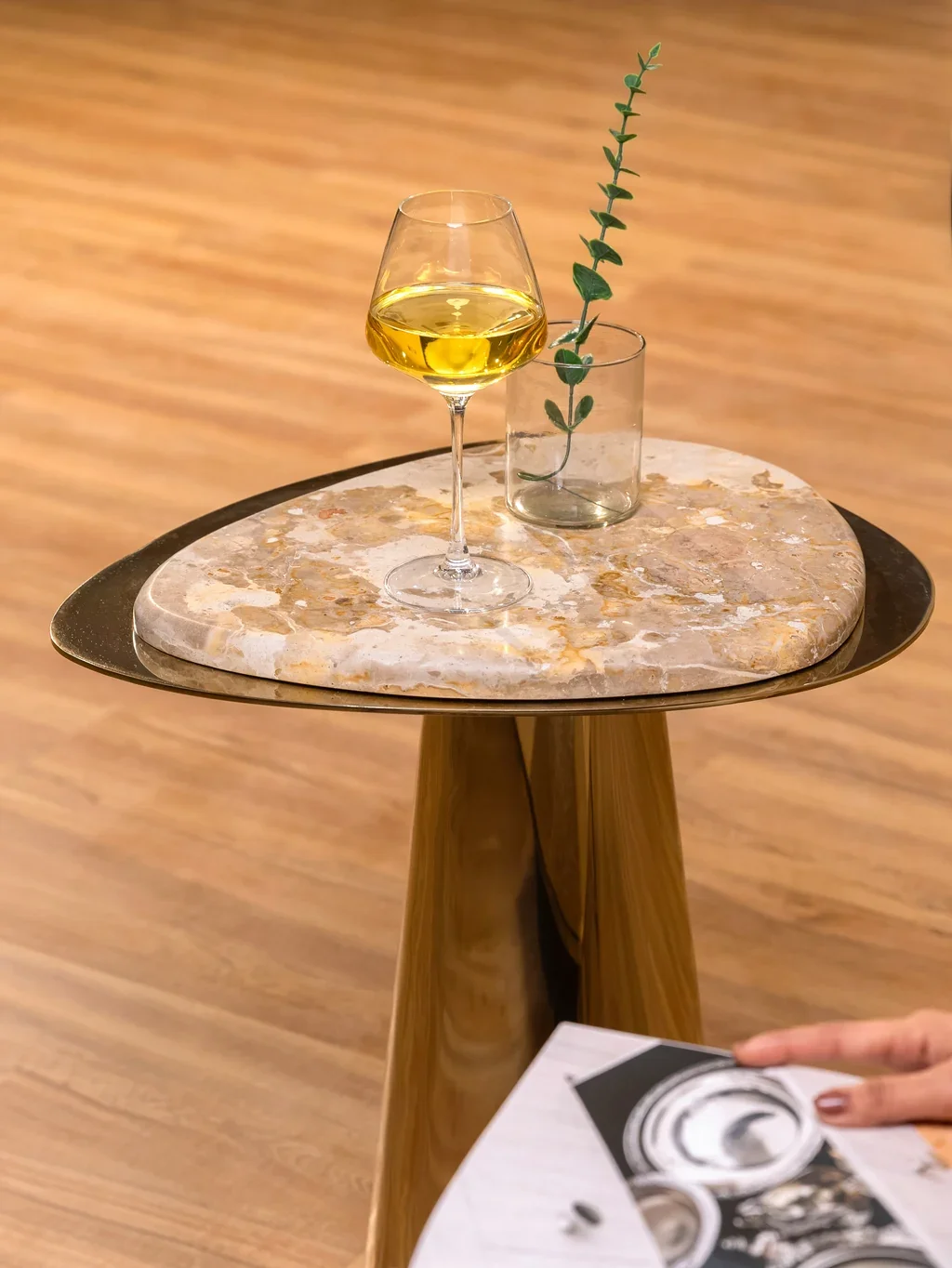
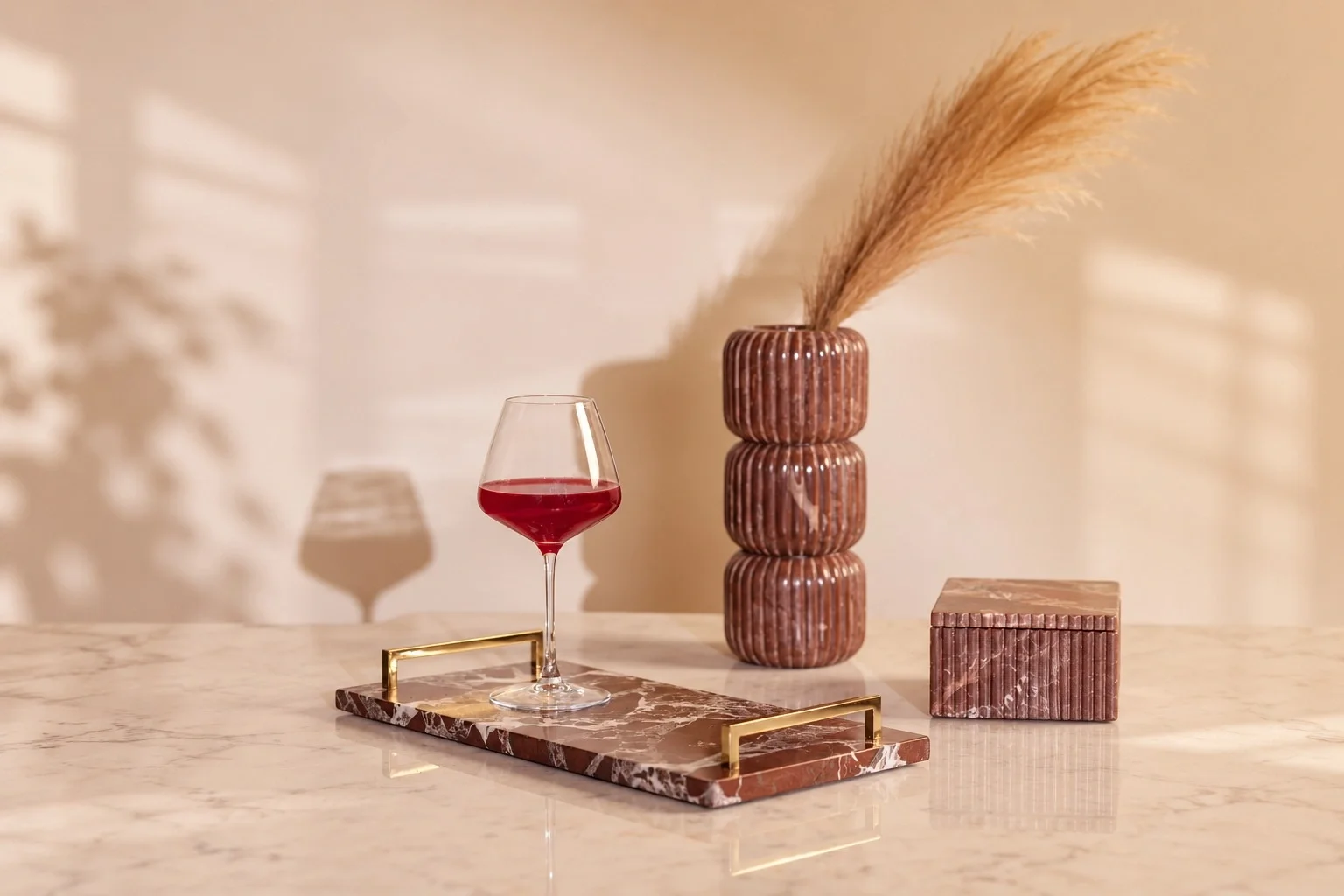
If you're choosing decorative items for the living room, look for pieces that share a stone family — a console tray, a pair of candle holders, and a vase all cut from the same marble will look intentional even if you bought them separately, because the veining and tone tie them together automatically. That's a much easier way to shop than trying to colour-match five unrelated objects.
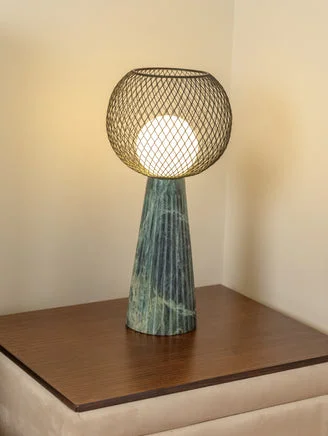
Lighting deserves the same logic. A stone table lamp or an alabaster pendant does more for a living room's mood in the evening than an extra shelf of ornaments ever will — the light passes through the material instead of just bouncing off it, which softens the whole room.
Dining and Kitchen: Choose for Daily Use, Not Display
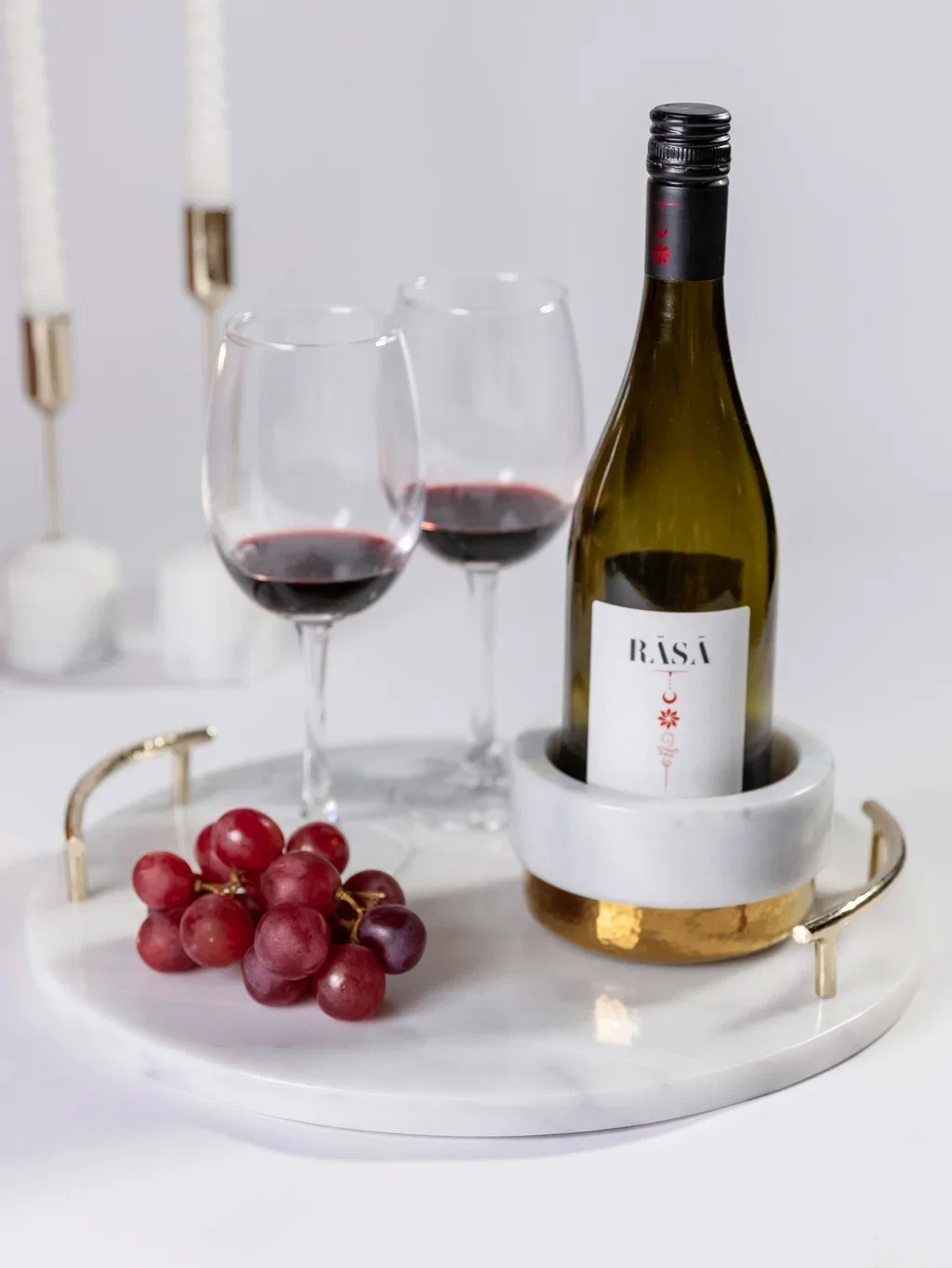
This is where luxury home decor earns its keep the fastest, because you touch it every day. A marble serving tray, a set of coasters, or a stone cheese board gets used at almost every meal — which means the quality of the material matters more here than almost anywhere else in the house.
Avoid anything decorative that can't survive daily handling. Genuine natural stone can; a lot of decorative-only pieces can't.
Bath: The Most Overlooked Room for Considered Decor
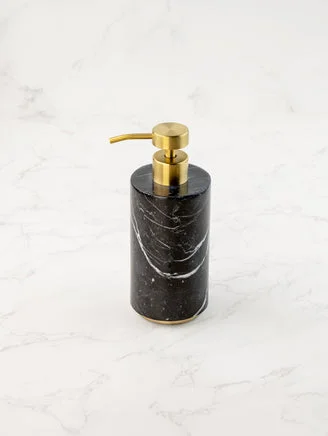
Bathrooms rarely get the same design attention as living rooms, but a coordinated set — soap dispenser, tumbler, tray — in the same stone instantly makes a counter look finished rather than assembled from separate purchases over time.
Buying Home Accessories Online: A Short Checklist
Shopping for home accessories online removes the guesswork if you know what to check:
- Confirm the material outright. Listings should say "marble" or "travertine," not "marble-effect."
- Read the origin story. Brands that explain where and how something is made are usually more reliable on quality.
- Check care instructions. Real stone needs simple care — a damp cloth, no acidic cleaners. If that's missing, be cautious.
- Compare weight, not just size. Genuine stone is heavier than it looks in photos. That's normal, not a flaw.
For a working example of this done properly, the luxury sustainable home decor available through Organic Home lays out material, origin, and care on every product page, which is exactly what you want to see before buying stone pieces sight unseen.
Why Sustainable Doesn't Mean Compromising on Luxury
Sustainable home decor has a reputation for looking unfinished or rustic. Natural stone doesn't fit that stereotype. It's carved rather than mass-moulded, doesn't need replacing every few years, and doesn't degrade the way synthetic materials do. A stone piece bought a decade ago still looks the way it did on day one — sometimes better. That's the actual definition of sustainable luxury: something built to be kept, not replaced.
If you want to browse a full range built on that principle, Organic Home's home decor items are worth a look before you settle for something mass-produced.
Frequently Asked Questions
Q. What counts as luxury home decor?
Luxury home decor generally means pieces made from premium, durable materials — natural stone, solid wood, brass — with visible craftsmanship, rather than items that simply look expensive due to styling or photography.
Q. Is natural stone decor actually sustainable?
Yes. Natural stone lasts decades without needing replacement, isn't synthetic, and is typically produced in smaller batches by hand rather than mass-manufactured, which keeps its environmental footprint lower than most decor materials.
Q. How many decorative items should a living room have?
Fewer than most people think. One or two considered pieces per surface — a tray, a vase, a pair of candle holders — usually looks more finished than a shelf full of smaller objects.
Q. What should I check before buying home accessories online?
Confirm the exact material (not a "-look" or "-effect" version), check the weight and dimensions, read how the piece is made and sourced, and look for clear care instructions.
Q. Do luxury home decoration items need special maintenance?
Natural stone needs minimal care — usually just a damp cloth and avoiding acidic cleaners. It's lower maintenance than most people assume.
Q. Can luxury decor work in a smaller home?
Yes. Scale matters more than luxury size. A single well-chosen stone piece often makes a bigger impact in a smaller room than several unrelated ones.
The Takeaway
Choosing home decor items well isn't about filling every surface — it's about picking materials that hold up over years and letting them repeat across a room instead of fighting for attention. Natural stone is one of the few categories where restraint and luxury genuinely point in the same direction.