Sign up with Google
 Sign in with Zoho
Introduction to CE Certification
CE certification is an important part of placing many products on the European market. The CE marking indicates that a product complies with the applicable European Union (EU) requirements for health, safety, and environmental protection. It helps manufacturers demonstrate that their products meet the relevant legal requirements before they are made available in the European Economic Area (EEA), where the applicable legislation requires CE marking.
Manufacturers, importers, distributors, and product designers should understand how CE marking works and when it is required. Although people commonly use the term “CE certification,” the formal process is generally referred to as CE marking or conformity assessment. The applicable procedure depends on the product category and the relevant EU legislation.
Why Is CE Certification Important?
CE marking plays an important role in European product compliance. It shows that the manufacturer has assessed the product against the applicable legal requirements and completed the necessary conformity assessment procedure.
The main benefits of a proper CE compliance process include:
- Regulatory compliance: Helps demonstrate conformity with applicable EU product legislation.
- Product safety: Supports the identification and management of relevant product risks.
- Market access: Enables products requiring CE marking to be placed on the applicable European markets when all relevant requirements are met.
- Customer confidence: Provides documented evidence that applicable conformity requirements have been addressed.
- Supply chain transparency: Helps businesses maintain consistent product documentation and compliance records.
CE marking does not guarantee that a product is completely risk-free or superior in quality. Its purpose is to demonstrate compliance with the applicable legal requirements.
Which Products Require CE Marking?
CE marking is mandatory for product categories covered by specific EU harmonisation legislation. Not every product sold in Europe requires the CE mark.
Common product categories that may require CE marking include:
1. Machinery
Machinery manufacturers must assess the applicable safety requirements and complete the relevant conformity procedures. The exact obligations depend on the machinery and the legislation applicable when the product is placed on the market.
2. Electrical and Electronic Equipment
Certain electrical and electronic products must comply with applicable requirements concerning electrical safety, electromagnetic compatibility, and other relevant risks.
3. Medical Devices
Medical devices covered by the relevant EU legislation must meet the applicable safety and performance requirements. Depending on the device classification, an appropriate notified body may need to participate in the conformity assessment.
4. Construction Products
Construction products covered by applicable EU rules may require CE marking supported by the relevant performance documentation. The requirements depend on the product and the applicable construction-products legislation.
5. Personal Protective Equipment
Products such as protective helmets, safety footwear, and certain protective gloves may require CE marking under the relevant EU rules. The conformity assessment procedure depends on the category of protective equipment.
Other regulated categories include toys, pressure equipment, radio equipment, and certain measuring instruments.
How Does CE Certification Work?
The CE marking process involves several steps. Businesses should determine the applicable requirements before preparing documentation or applying the CE mark.
Step 1: Identify the Applicable EU Legislation
The manufacturer must identify the EU legislation relevant to the product. A product may fall under more than one legal instrument, depending on its intended use, design, and technical characteristics.
Step 2: Determine the Conformity Assessment Procedure
The required assessment depends on the product category and applicable legislation. Some products can be assessed by the manufacturer, while others require the involvement of a notified body.
Step 3: Assess Product Risks
The manufacturer should identify relevant hazards and evaluate the risks associated with the product's design, manufacture, and intended use. Appropriate measures must be taken to meet the applicable safety requirements.
Step 4: Conduct Testing and Evaluation
Testing may be necessary to demonstrate conformity with relevant requirements or standards. The type and extent of testing depend on the product and its applicable legislation.
Step 5: Prepare Technical Documentation
Technical documentation may include product descriptions, drawings, risk assessments, test reports, calculations, and other evidence required by the applicable legislation. The documentation must be maintained according to the relevant legal requirements.
Step 6: Prepare the EU Declaration of Conformity
Where required, the manufacturer prepares and signs the EU Declaration of Conformity. This document identifies the product, manufacturer, relevant legislation, and other required information.
Step 7: Affix the CE Marking
Once the applicable conformity assessment procedure has been completed and the relevant requirements have been met, the manufacturer affixes the CE marking in accordance with the applicable rules.
What Is the Difference Between CE Marking and ISO Certification?
CE marking and ISO certification serve different purposes.
CE marking concerns compliance with applicable EU product legislation. It applies to specified product categories and is generally the responsibility of the manufacturer.
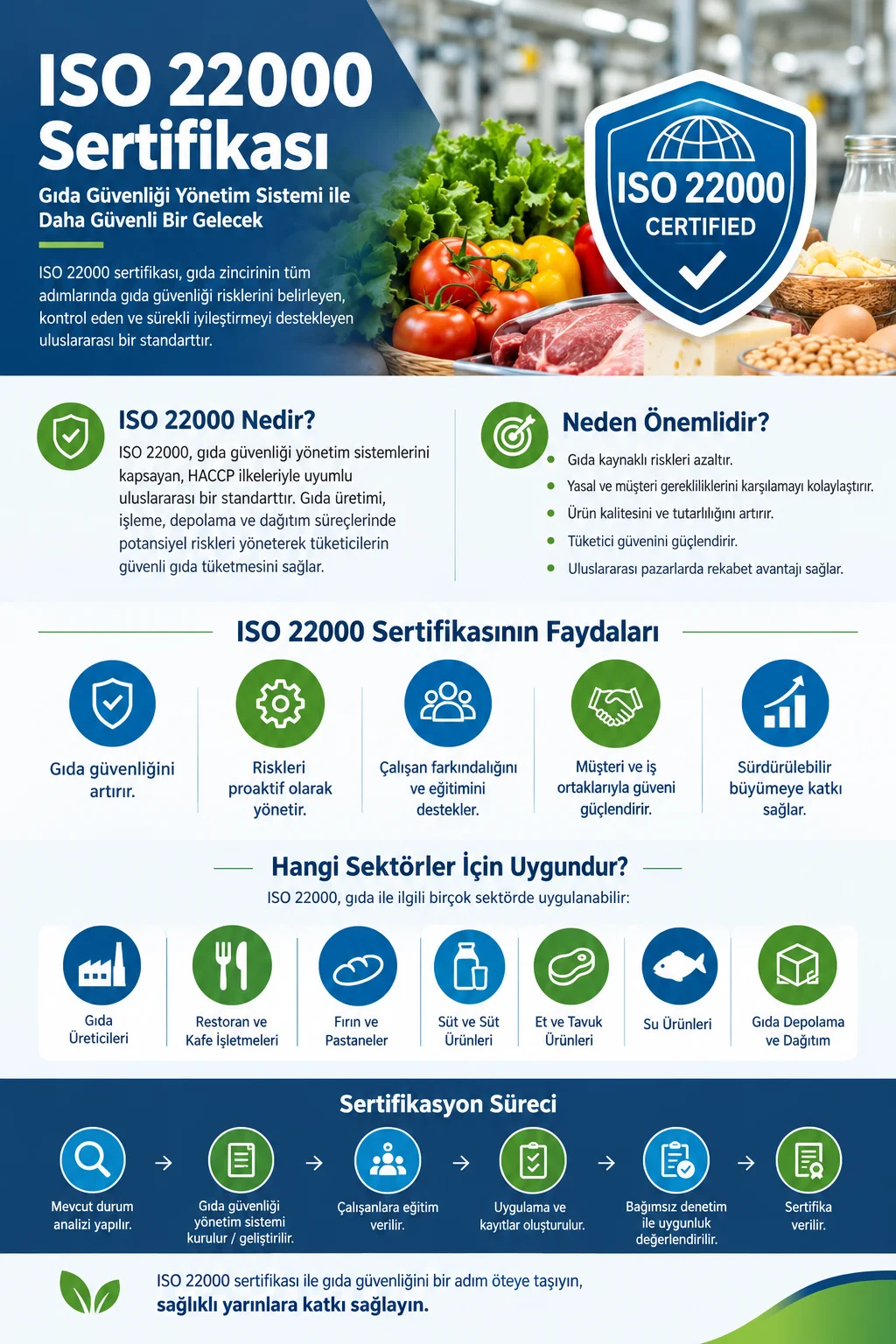
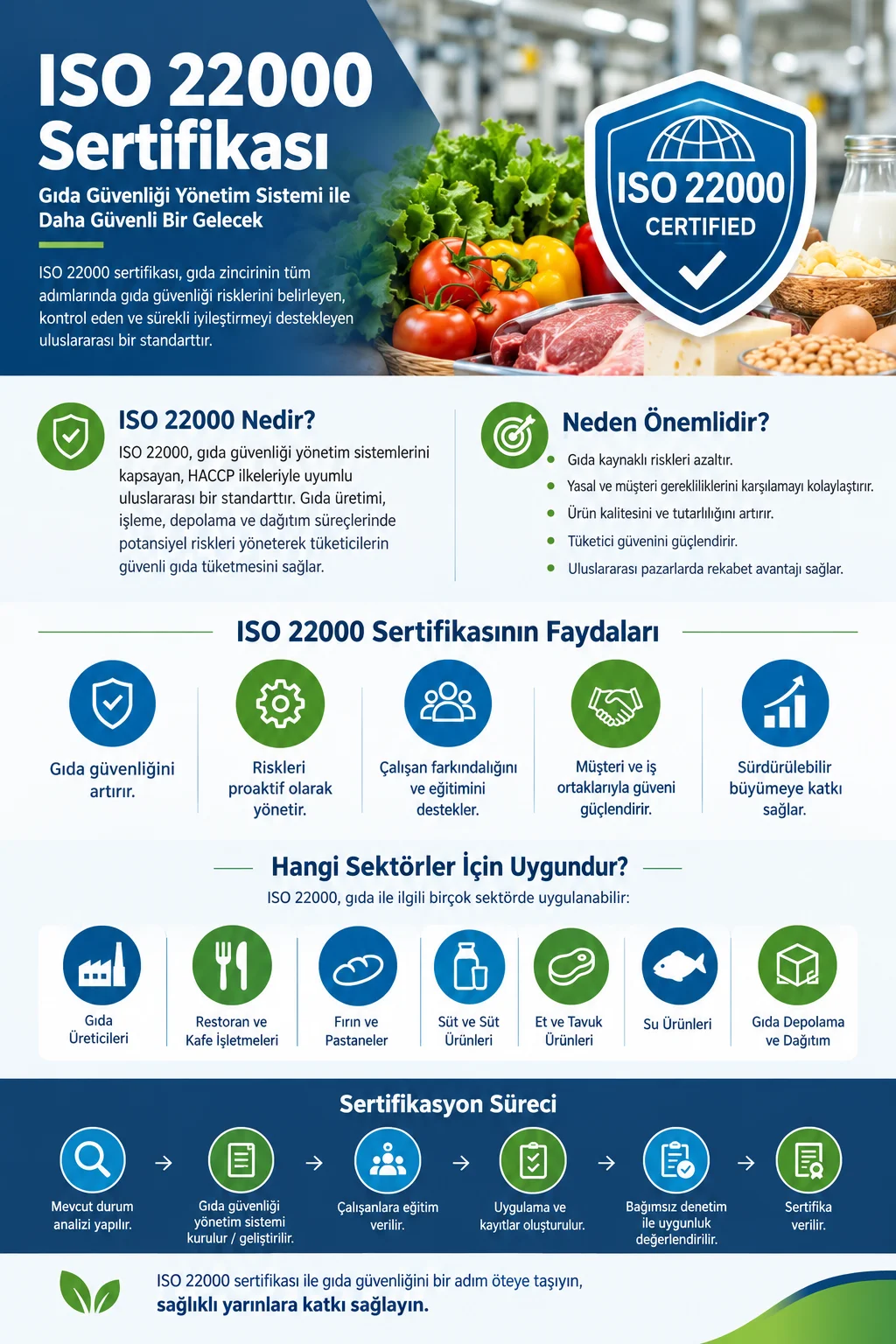
ISO certification, by contrast, typically demonstrates that an organisation's management system or another defined subject meets the requirements of a particular ISO standard. For example, ISO 9001 relates to quality management systems, while ISO 14001 concerns environmental management systems.
An ISO management system certificate does not automatically establish that a product complies with CE marking requirements. Similarly, CE marking does not replace an organisation's ISO management system certification.
Common Mistakes to Avoid
Businesses should avoid assuming that every product needs CE marking or that every CE-marked product must have a third-party certificate. Both assumptions can lead to unnecessary expenses or compliance gaps.
Other common mistakes include using incorrect product documentation, applying the marking before completing the required assessment, relying on an unauthorised certification provider, and failing to maintain technical records.
Manufacturers should also verify that any notified body involved is appropriately designated for the relevant legislation and product scope. A certificate from a third party is not automatically sufficient evidence of CE conformity.
Conclusion
CE certification, more accurately understood as CE marking and conformity assessment, is an essential compliance requirement for many products placed on the European market. The process involves identifying the applicable legislation, assessing risks, conducting necessary evaluations, preparing technical documentation, and completing the required conformity assessment procedure.
Manufacturers and importers should understand their responsibilities and verify the requirements for each product category. A well-managed CE compliance process helps businesses address legal obligations, maintain reliable documentation, and support the safe supply of regulated products to European customers.
Frequently Asked Questions
1. What does CE stand for?
CE stands for Conformité Européenne, a French expression meaning European conformity.
2. Is CE certification mandatory?
CE marking is mandatory for products covered by EU legislation that requires it. Products outside those categories should not automatically carry the CE mark.
3. Who is responsible for CE marking?
The manufacturer is generally responsible for ensuring conformity and affixing the CE marking. Importers and distributors also have specific responsibilities under applicable legislation.
4. Can a manufacturer issue CE documentation without a third-party certification body?
Yes, where the applicable legislation permits manufacturer-led conformity assessment. Other product categories require a notified body to participate.
5. Is CE marking valid worldwide?
No. CE marking is primarily associated with the applicable European regulatory framework. Other countries may have separate product compliance requirements.