Sign up with Google
 Sign in with Zoho
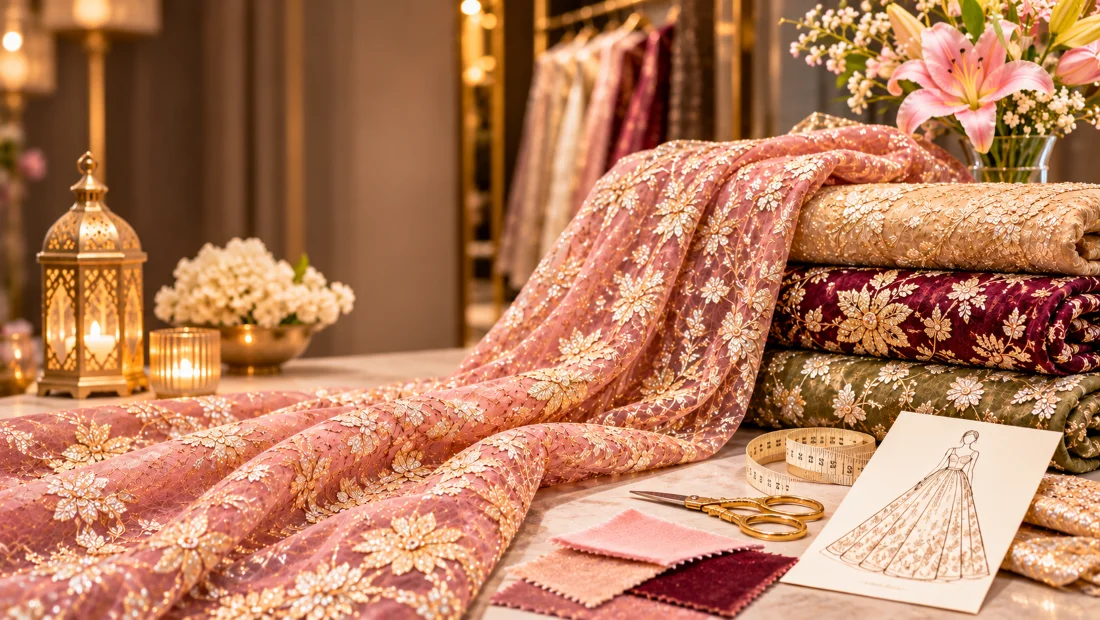
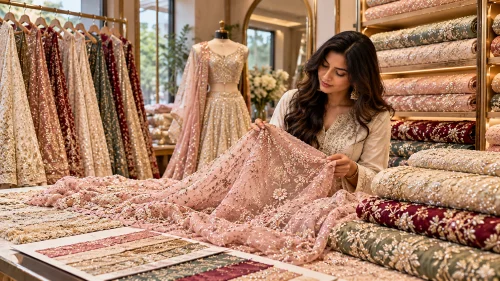
For years, the default route for a bride in Delhi NCR was simple: visit a few designer stores or bridal boutiques, try on ready-made lehengas, pick one and get it altered. That route still works, but more and more brides are doing something different. They’re choosing the fabric first, then getting their outfits stitched by a trusted tailor or designer.
It takes a little more planning, but it can give you a better fit, a more personal look and often better value for money. This guide explains why the fabric-first approach is growing in popularity, and how to do it well if you’re planning your own wedding wardrobe in Delhi NCR.
Why brides are choosing fabric first
A better fit
Ready-made bridal outfits come in standard sizes, and alterations can only do so much, especially with heavily embroidered pieces. When you start with fabric, the outfit is made to your exact measurements from the beginning. Blouses fit properly, skirts sit at the right length and nothing pulls or gapes.
More control over the look
With fabric first, you choose the exact colour, embroidery, border placement and silhouette. You can mix fabrics, like a brocade blouse with an organza dupatta or a georgette lehenga with a velvet jacket, instead of choosing from fixed combinations.
Better value
A large part of a designer outfit’s price goes into the label and the store. When you buy fabric and pay separately for stitching, more of your budget goes into the fabric itself. Many brides find they can afford a richer fabric or more detailed work this way.
Outfits for every function
Indian weddings involve several events. Buying fabric lets you plan a coordinated wardrobe across haldi, mehendi, sangeet, the wedding and the reception, so every outfit feels considered and nothing clashes.
When ready-made still makes sense
Fabric-first isn’t right for everyone. Ready-made can be the better choice if:
- Your wedding is only a few weeks away
- You don’t have a tailor you trust
- You’ve fallen in love with a specific designer piece
- You’d rather avoid fittings and planning
The best approach depends on your timeline, budget and how involved you want to be.
How to do fabric-first the right way
1. Start early
Give yourself at least two to three months before the wedding. Heavily embroidered outfits need time for cutting, stitching and at least two fittings. During peak wedding season, good tailors get booked up quickly.
2. Find your tailor or designer first
Before you buy fabric, find the person who will stitch it. Look at their past work, especially bridal pieces, and ask how they handle heavy fabrics, linings and can-cans. A good tailor can also tell you exactly how much fabric to buy.
3. Plan your outfits by function
Make a simple list:
- Haldi: light, bright and washable
- Mehendi: comfortable for long hours
- Sangeet: easy to dance in, with some sparkle
- Wedding: rich and traditional
- Reception: glamorous and modern
This keeps your shopping focused and stops you buying fabric you won’t use.
4. Choose the main wedding fabric first
Your wedding outfit sets the tone for everything else. Start there while you’re fresh. Many brides choose Banarasi brocade, heavily embroidered georgette or silk for the main ceremony. Comparing a wide range of bridal fabrics side by side helps you see how different weaves and embroidery look before you decide.
5. Feel, drape and check in daylight
At the counter:
- Drape the fabric over your shoulder and look in a mirror
- Take it to a window to check the colour in natural light
- Turn embroidered pieces over to check the work on the back
- Ask what the fabric is made of and how to care for it
6. Plan lighter outfits around it
Once the main fabric is chosen, plan the others so they complement it. If your wedding outfit is a heavy red brocade, your reception might be a lighter tissue or net in a contrasting shade. For pre-wedding functions, flowing fabrics like georgette are comfortable and easy to dance in.
7. Confirm quantities and buy from one dye lot
Ask your tailor exactly how many metres you need for each outfit, and buy a small buffer for adjustments. Buy all pieces for one outfit at the same time, so the colour matches.
8. Keep swatches and notes
Save a small swatch of every fabric, along with the shop name, design code and price. It makes matching blouses, dupattas and accessories much easier later.
Shopping in Delhi NCR
Delhi NCR has some of the best fabric shopping in India. Chandni Chowk is known for its huge wholesale variety, while Lajpat Nagar has established fabric houses with ready bridal and festive ranges that many brides find easier to navigate. Shahpur Jat is great for designer inspiration.
If you can’t visit in person often, many Delhi stores now let you browse online and send photos or videos on WhatsApp. That makes it easier to shortlist fabrics before a visit, or to order from elsewhere in NCR. You can start by exploring a wide range of wedding and festive fabrics online to get a feel for colours, weaves and embroidery styles.
Conclusion
Buying fabric first gives Delhi NCR brides more control over fit, design and budget, and makes it easier to plan a coordinated wardrobe for every wedding function. Start early, find your tailor first, choose your main fabric carefully and plan the rest around it. With a little planning, you’ll end up with outfits that feel truly yours, and fit beautifully on the day.