Sign up with Google
 Sign in with Zoho
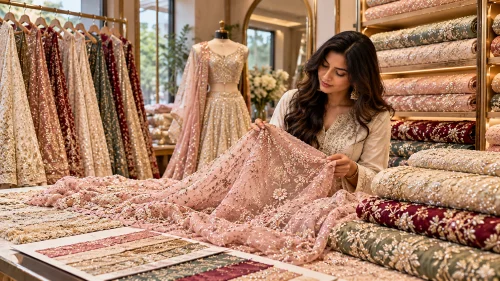
There’s something exciting about shopping for a wedding outfit in Delhi. You walk into a fabric shop thinking you know exactly what you want, and suddenly you're surrounded by beautiful colours, intricate embroidery, and fabrics you didn't even know existed.
That pastel organza looks gorgeous. The velvet feels luxurious. And then there's a heavily embroidered net fabric that looks like it belongs in a designer collection.
But here's something people don't talk about enough: a fabric can look absolutely stunning on the counter and feel completely different once it's turned into a lehenga.
The weight, the way it falls, how it feels against your skin, and even how easily you can walk in it all matter.
So, before you fall in love with the first fabric you see, here are a few things worth knowing.
First, Think About Where You're Actually Wearing It
A lehenga for a daytime mehendi is going to feel very different from one you'd wear to a December wedding reception in Delhi.
If you're attending an outdoor function in warmer weather, you'll probably appreciate something lightweight that moves easily. Georgette and chiffon are worth exploring, especially if you're planning to dance or spend several hours on your feet.
For a winter evening, you can experiment with richer materials like velvet, silk blends, or embroidered fabrics.
And if you've been saving pictures of those beautiful, voluminous lehengas on Pinterest, organza might be worth considering.
Just remember that the fabric underneath matters too. Even a lightweight outer fabric can become uncomfortable with a heavy lining.
Not Every Beautiful Fabric Makes a Comfortable Lehenga
This is probably one of the biggest things to keep in mind while shopping.
Let's say you find a gorgeous fabric covered in sequins, beads, and intricate embroidery. It looks perfect when the shopkeeper opens it across the counter.
Now imagine wearing several metres of that material around your waist for six or seven hours.
That's when the weight starts to matter.
Before buying heavily embroidered fabric, pick it up and feel how heavy it is. Check the reverse side. Are there rough threads? Could the beads rub against your skin? Will the embroidery catch on your bangles or jewellery?
These might seem like tiny details while shopping, but they can make a huge difference on the actual wedding day.
A Quick Guide to Fabrics You'll Come Across
If you're new to fabric shopping, all the different names can get confusing. Here's how I'd think about a few popular options.
Georgette: When You Want Something That Flows
Georgette is a lovely option for lehengas that need movement. It falls naturally and can create beautiful, soft silhouettes.
It's especially worth considering for sangeet outfits or occasions where you know you'll be moving around a lot.
Organza: For That Dreamy, Voluminous Look
You know those lehengas with beautiful, structured flare that look almost weightless in photographs?
Organza is often used to create that effect.
It holds its shape better than softer fabrics, although some varieties can feel a little stiff. Choosing the right lining makes a difference.
Embroidered Net: When You Love Detailed Work
If you love sequins, delicate floral embroidery, or intricate beadwork, you'll probably come across plenty of embroidered net.
It can look beautiful in lehengas, blouses, and dupattas.
But because net is transparent, you need to think about what goes underneath it. The lining affects the colour, comfort, and overall finish.
Velvet: A Favourite for Winter Weddings
There's something about velvet that works beautifully for Delhi's winter celebrations.
Deep maroon, emerald green, navy blue, and wine shades can look especially rich.
Just check the weight before committing to a full lehenga. Sometimes using velvet for the blouse or jacket gives you the look you want without making the entire outfit too heavy.
Why It's Still Worth Visiting Delhi's Fabric Markets
Online shopping is convenient, especially when you already know the material you're looking for.
But if you're getting an expensive outfit stitched for the first time, visiting a fabric market can be incredibly helpful.
You get to touch the fabric, see how it falls, compare colours in person, and understand the difference between similar-looking materials.
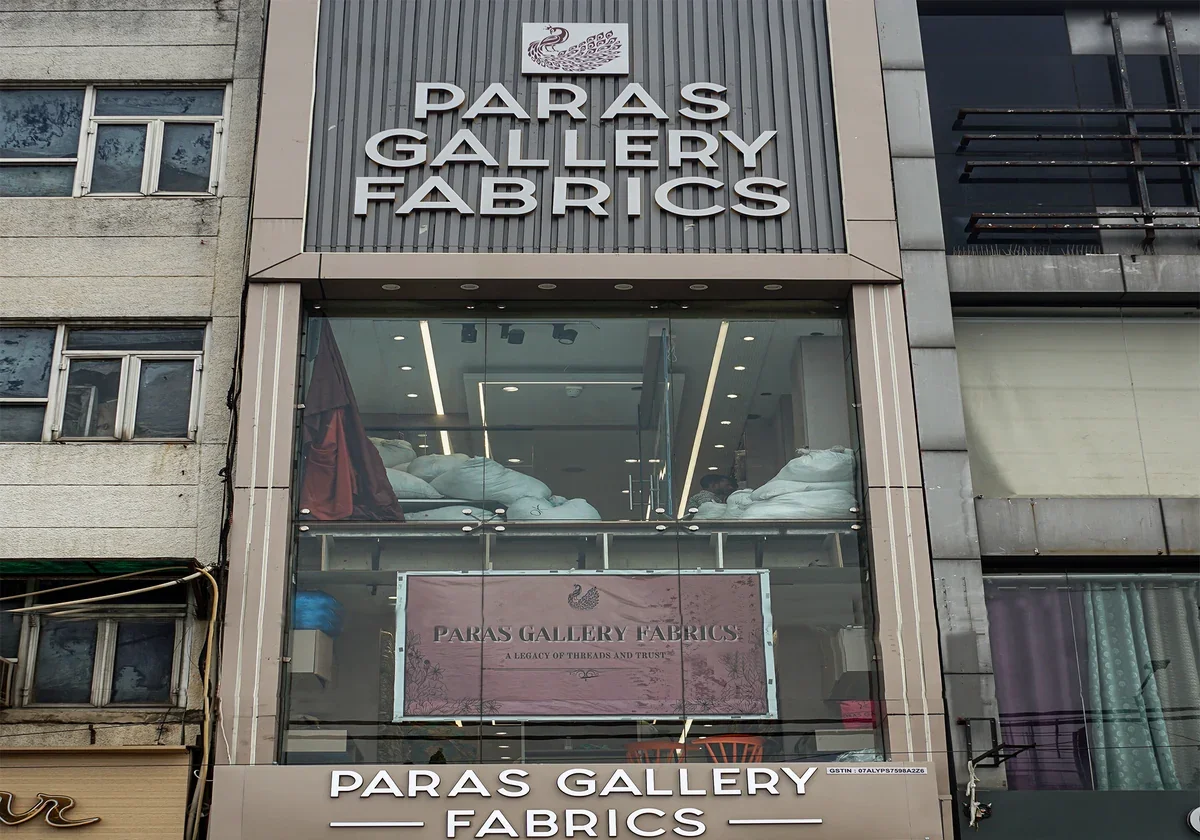
Lajpat Nagar is one of the places worth exploring if you're shopping for wedding fabrics in Delhi.
You'll find everything from simpler dress materials to heavily embellished textiles. Shops such as Paras Gallery Fabrics are among the options for exploring embroidered nets, georgettes, and other occasion-wear fabrics.
One useful tip: take your outfit inspiration pictures along, but stay open to alternatives.
Sometimes the fabric you initially wanted isn't the one that works best for your design.
Please Speak to Your Tailor Before Buying the Fabric
This is something I wish more first-time buyers knew.
It's easy to assume that a certain number of metres will be enough for a lehenga, but the actual requirement depends on the design.
A simple A-line lehenga and a heavily flared lehenga won't need the same amount of fabric.
The fabric width matters too.
And if you're buying embroidered material with a border or a particular motif, your tailor may need extra fabric to match the design properly.
Before paying, show your tailor the inspiration picture and ask about the approximate quantity.
It can save you from buying too little or spending unnecessarily on extra material.
Don't Forget About Delhi's Weather
Anyone who's attended weddings in Delhi knows how different the experience can be depending on the month.
A summer afternoon wedding can feel exhausting in a heavily layered outfit, while a lightweight ensemble might not be ideal for an outdoor December celebration.
For warmer functions, look for comfortable linings, manageable embroidery, and fabrics that allow movement.
In winter, you can experiment with heavier textures and layers.
But don't choose a fabric purely because it's considered seasonal. Think about the venue as well.
An indoor banquet hall with heating can feel very different from an open-air farmhouse wedding.
Try These Little Checks Before You Buy
You don't need to be a textile expert to make a better fabric choice.
A few simple things can help:
- Hold it up: See how the fabric falls instead of judging it only while it's folded.
- Check it against the light: This helps you understand how transparent it is.
- Feel the reverse side: Especially important for embroidered and embellished fabrics.
- Gather it in your hand: Notice whether it feels soft, stiff, or unusually bulky.
- Look at the colour in different lighting: Shop lighting can make certain shades appear warmer or brighter.
And don't hesitate to ask the shopkeeper questions. If you're spending a significant amount on fabric, you should understand what you're buying.
Should You Buy Ready-Made or Get Your Lehenga Stitched?
There's no single right answer.
Ready-made lehengas are convenient. You can see the complete outfit, try it on, and avoid coordinating fabric purchases and tailoring.
But getting a lehenga stitched gives you more control.
You can choose the fabric, adjust the flare, select a comfortable lining, and decide exactly how much embroidery you want.
It can be particularly useful if you have a specific design in mind or struggle to find ready-made outfits that fit well.
The only catch is time.
Custom outfits need fittings, adjustments, and sometimes unexpected changes. So, if you're planning to get something stitched, don't leave everything until the last minute.
The Outfit Should Feel as Good as It Looks
It's easy to get carried away while shopping for wedding outfits, especially when you're surrounded by beautiful fabrics and endless inspiration.
But the lehenga you'll remember most fondly isn't necessarily the one with the heaviest embroidery or the biggest flare.
It's the one you felt comfortable wearing.
The one you could walk in, dance in, sit through ceremonies in, and enjoy the celebration without constantly adjusting.
So whether you're exploring Lajpat Nagar's fabric shops, browsing collections online, or working with a local tailor, take a little extra time to understand the material before buying it.
Because at the end of the day, your wedding outfit should be something you enjoy wearing, not something you're waiting to take off.