Sign up with Google
 Sign in with Zoho

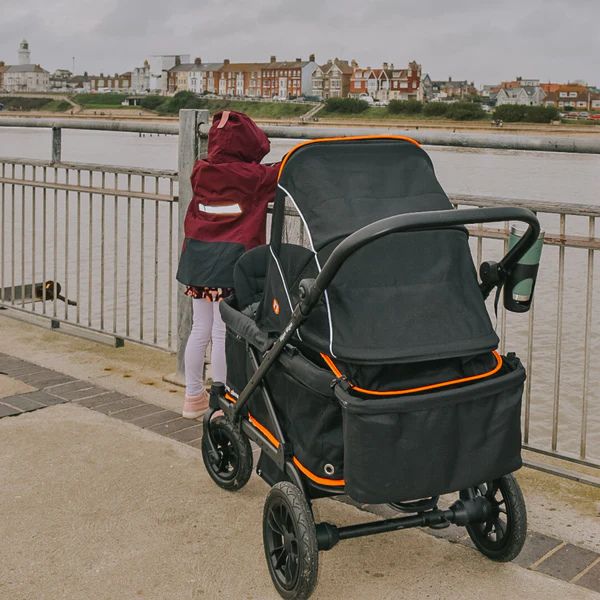
One of the most common questions new parents ask is when it's actually safe to start using a pram with a newborn baby. Unlike older babies and toddlers, newborns have specific developmental needs that affect how they should be positioned and supported while out and about. This guide walks through age guidelines, flat-lie safety recommendations, and how a pram should evolve as your baby grows from newborn to toddler.
Why Newborn Pram Safety Guidelines Matter
Newborn babies have limited neck and spine control, which means they can't sit upright or support their own head for several months after birth. This is the reason pram manufacturers and safety organisations recommend specific setups for the earliest stage of a baby's life. Using the wrong configuration too early can put unnecessary strain on a baby's developing body.
The Role of Flat-Lie Positioning
Flat-lie positioning means a baby lies completely horizontal, similar to how they would in a moses basket or crib. This is considered the safest option for newborns because it keeps the spine in a neutral position and supports healthy hip and airway development during the first few months.
What Happens If a Pram Isn't Flat-Lie Compatible
Prams that only offer a reclined seat rather than a true flat-lie position aren't generally recommended for very young babies. A reclined seat can curve a newborn's spine unnaturally and may restrict breathing, which is why checking for genuine flat-lie capability is one of the most important steps when choosing a newborn-ready pram.
When Can You Start Using a Pram With a Newborn?
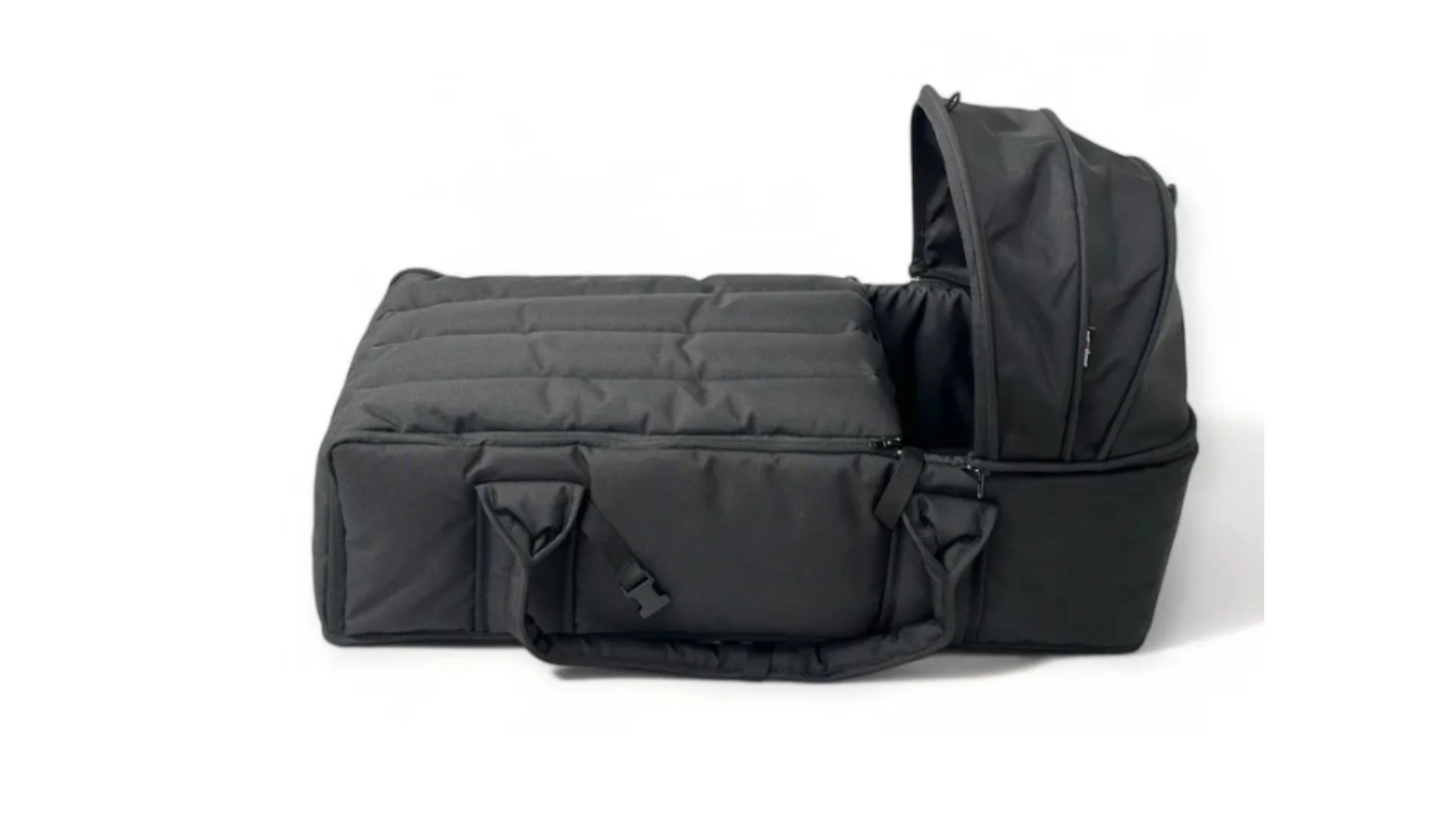
Most babies can begin using a pram from birth, provided the pram offers a suitable flat-lie carrycot or bassinet attachment. There's no need to wait weeks or months before taking a newborn outside, as long as the equipment itself meets newborn safety standards. Parents comparing a newborn pram at this stage should prioritise models with a genuine flat-lie carrycot rather than a reclined seat.
Birth to Around 6 Months
During this stage, babies should be transported lying flat in a carrycot or bassinet attachment. This period is all about spinal support and comfort, so parents should avoid seat-style prams that don't offer proper recline until their baby has stronger head and neck control.
Around 6 Months Onwards
Once a baby can sit up unassisted and has developed sufficient head and neck strength, they can typically transition to a more upright, seat-style pram position. This shift usually aligns with a baby reaching key motor milestones, though every child develops at their own pace, so it's worth checking readiness rather than relying on age alone.
How a Pram Setup Should Evolve as Your Baby Grows
A pram isn't a one-size-fits-all piece of equipment, it should adapt alongside your baby's development. Many modern pram systems are designed with this in mind, offering modular components that change as your child grows.
Carrycot to Seat Conversion
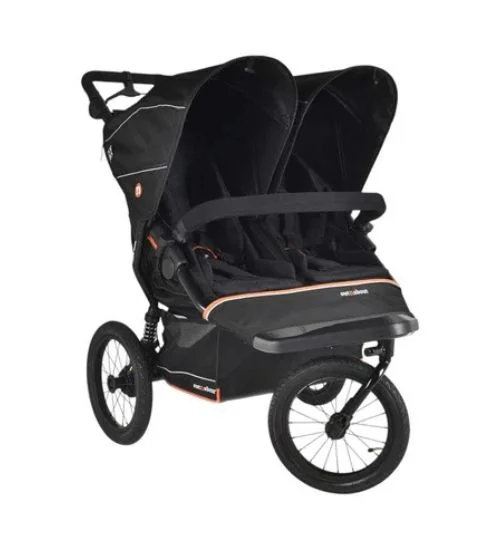
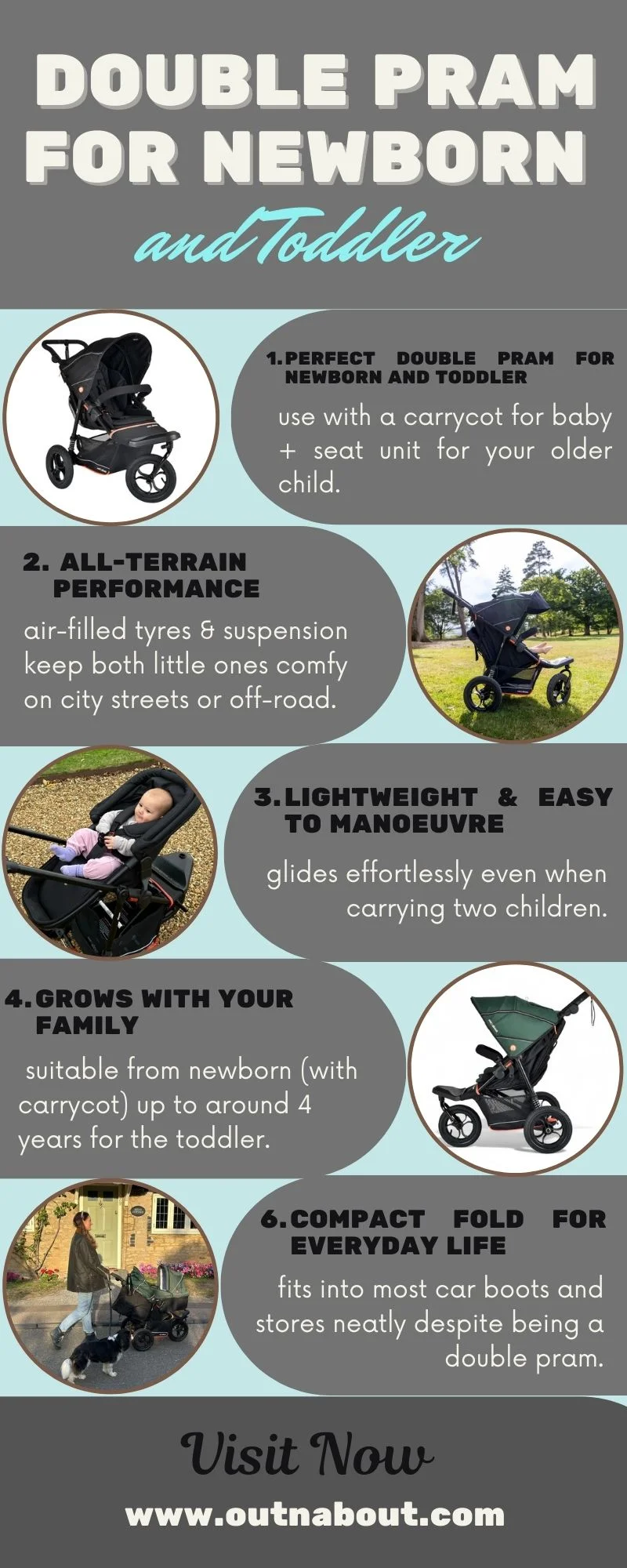
Many pram systems allow parents to swap a flat-lie carrycot for an upright seat unit once their baby is ready. This modular approach means families don't need to buy an entirely new pram every few months, instead adjusting the existing frame as needs change.
Parent-Facing vs World-Facing Seating
Once a baby transitions to a seat, parents often have the choice between parent-facing and world-facing positions. Parent-facing seating can support bonding and reassurance in the early stages of sitting up, while world-facing options become more appealing as babies grow curious about their surroundings.
Adjusting for Toddlerhood
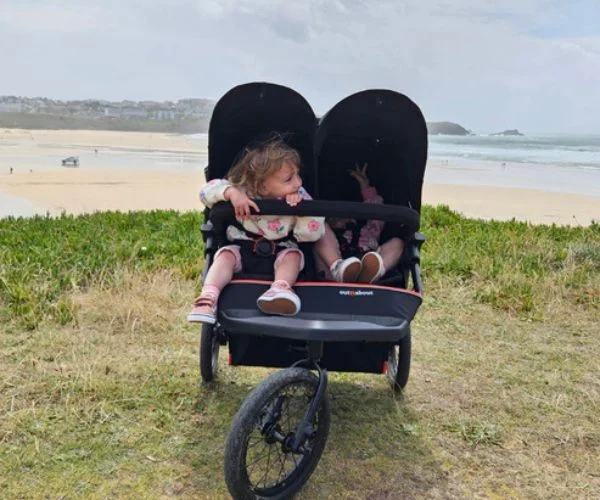
As babies grow into toddlers, prams typically need to accommodate increased weight, more active movement, and longer outings. Look for adjustable harnesses, sturdier frames, and recline options that support both naps and periods of alertness during longer trips.
Choosing a Pram That Grows With Your Baby
Given how quickly babies develop in their first year, many parents prefer a pram system that adapts rather than needing to be replaced multiple times. When researching options, it helps to check compatibility with carrycots, car seats, and seat units from the same range.
Questions to Ask Before Buying
Before choosing a pram, it's worth confirming whether it offers a true flat-lie position for newborns, how it converts as the baby grows, and whether it's compatible with additional attachments like a car seat adapter. These details can save both money and hassle later on.
Planning for the Long Term
Thinking beyond the newborn stage can help parents avoid needing an entirely new setup within the first year. A pram designed with growth in mind offers better value and fewer disruptions to daily routines as a baby's needs change.
Conclusion
Newborns can start using a pram from birth, provided it offers proper flat-lie support for their developing spine and airway. As babies grow and reach key milestones like sitting up unassisted, their pram setup should evolve too — from a flat carrycot through to an upright seat suited for toddlers. Choosing a pram system built to adapt over time can make this transition smoother, giving parents one reliable setup that grows alongside their child.