Sign up with Google
 Sign in with Zoho

Choosing a double pushchair is rarely as simple as picking the first one you see online. With two main formats on the market side-by-side and tandem, the right choice depends heavily on your lifestyle, where you'll be pushing it most, and how your children like to sit together.
This guide breaks down the differences between the two, so you can decide which double pushchair format genuinely suits your family, rather than just going with whichever looks most popular.
What's the Difference Between Side-by-Side and Tandem?
Before comparing the pros and cons, it helps to understand exactly what each format means.
Side-by-Side Double Pushchairs
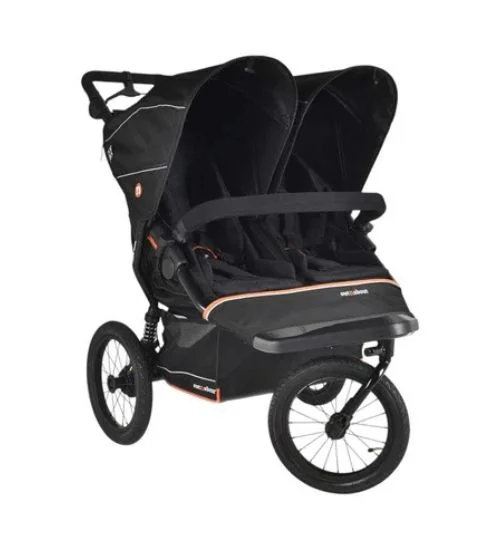
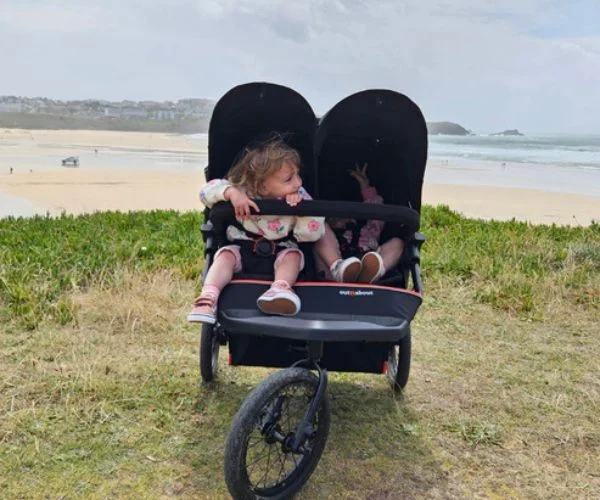
As the name suggests, a side-by-side double pushchair seats both children next to each other, facing forward. This layout gives both children the same view, the same amount of space, and generally the same experience of the walk.
Tandem Double Pushchairs
A tandem double pushchair seats children one in front of the other, similar to a double stroller with a longer wheelbase rather than a wider one. This design is narrower overall, which can make a noticeable difference when it comes to fitting through doorways or narrow pavements.
Comparing Width and Manoeuvrability
Side-by-Side: Wider but More Stable
Side-by-side double pushchairs are naturally wider, which means they can be trickier to get through narrow shop doorways or busy pavements. However, that width often brings better stability, particularly on uneven ground or when turning, since the weight is evenly distributed across both wheels on either side.
Tandem: Narrower but Longer
A tandem double stroller is easier to manoeuvre through tight spaces thanks to its narrower profile, but the extra length can make sharp turns feel less agile and tight U-turns in shops or cafés slightly more awkward.
Which Wins for Everyday Use?
There's no universal answer here, it depends on your typical routes. If you're mostly navigating narrow city pavements and shop aisles, a tandem's narrower width may suit you better. If you're regularly out on wider paths, parks, or uneven terrain, the added stability of a side-by-side design is often more practical.
Everyday Practicality: What Really Matters Day to Day
Getting Through Doors and Aisles
This is one of the most common complaints from parents of twins or close-in-age siblings. Measure your front door, car boot opening, and any regular doorways (nursery, GP surgery, local shops) against the pushchair's width before deciding.
Folding and Storage
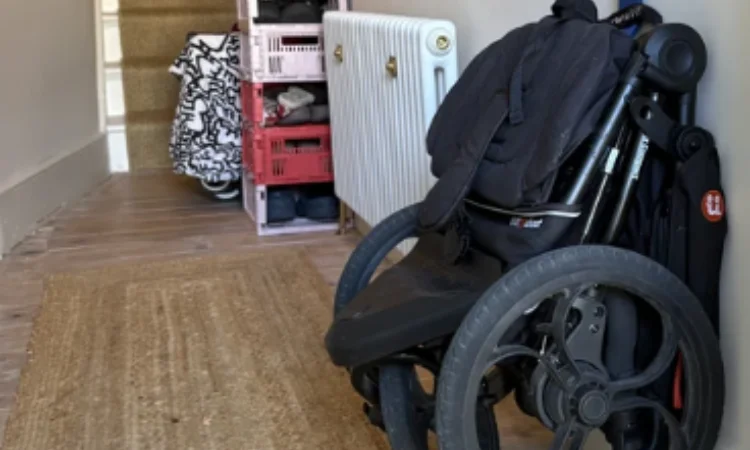
Side-by-side double pushchairs can sometimes fold bulkier due to their width, while tandem models often fold into a slimmer, if longer, package. If storage space at home is limited, this is worth checking carefully rather than assuming either format is automatically more compact.
Car Boot Space
Boot space requirements vary significantly between brands and models, regardless of format. It's always worth checking folded dimensions against your specific car rather than relying on "side-by-side vs tandem" as a rule of thumb alone.
Considering an Active Lifestyle
Double Pushchairs for Trails and Parks
If your routine includes regular walks on grass, gravel, or uneven paths, look for a double pushchair with larger, air-filled tyres and proper suspension, regardless of whether you choose a side-by-side or tandem format. Both styles can handle rougher terrain well, provided the build quality supports it.
Double Pushchairs for Running
Parents who want to combine dog walks, jogging, or more serious exercise with pushing two children should look specifically at a running pushchair, as these are built differently from standard everyday double pushchairs. Features like a fixed front wheel, hand brake, and reinforced frame are designed specifically for higher speeds and longer distances, which a standard double stroller isn't built to handle safely.
How Your Children's Ages Affect the Decision
Twins or Very Close in Age
For twins or siblings close in age, a side-by-side double pushchair is often preferred, since both children get equal visibility and space, which can reduce squabbles over who's "in front".
Different Ages
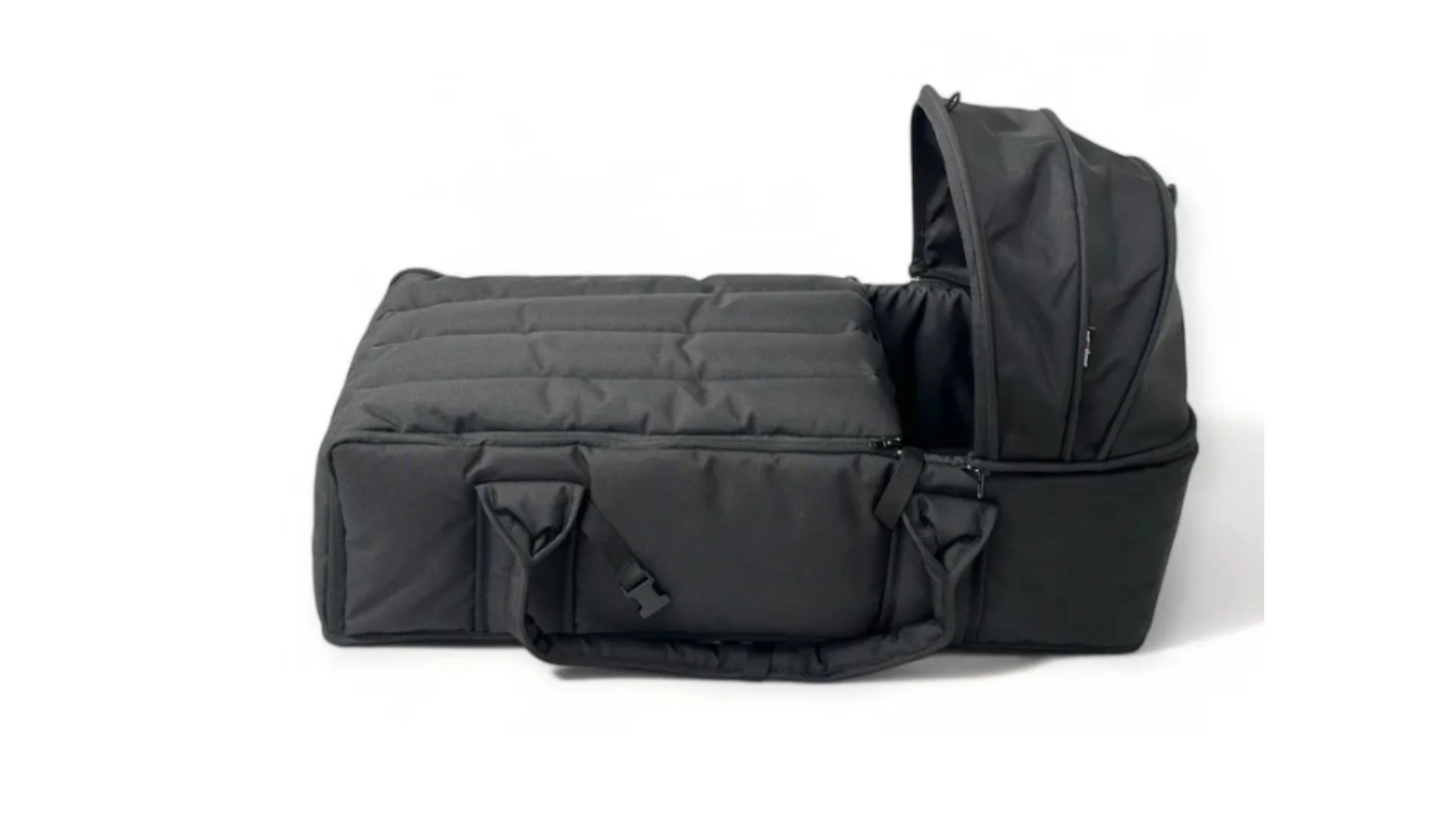
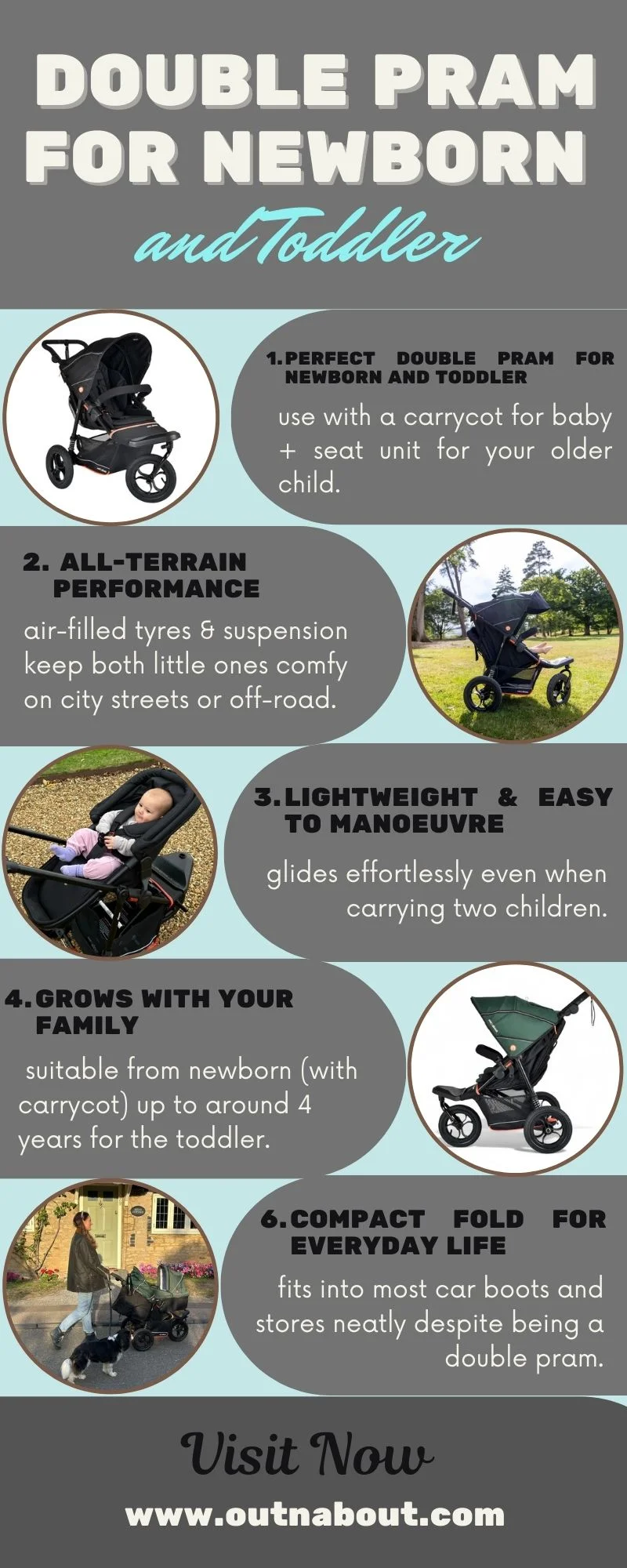
If you have a newborn and an older toddler, a tandem double pushchair can work well, particularly if one seat needs to support a carrycot or car seat while the other is used for an older child who can sit upright.
Making the Right Choice for Your Family
There's no single "better" option between side-by-side and tandem double pushchairs — only what's better suited to your daily routine, storage space, and the ages of your children. Before deciding, it's worth listing out your most common scenarios: school runs, shop visits, park walks, or car journeys, and checking each pushchair's dimensions and features against them directly.