Sign up with Google
 Sign in with Zoho

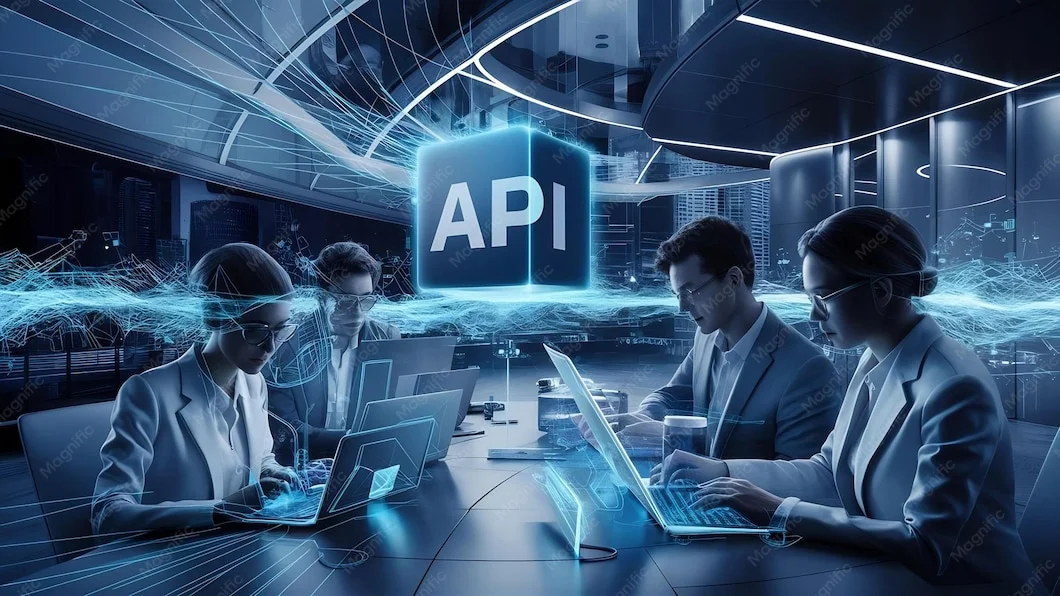
Google DeepMind’s Veo 3 Video API changes how creators and developers produce high-quality video. This model generates realistic clips from text prompts or images and adds synchronized native audio in one step. Teams access it through the Gemini API and Vertex AI, which simplifies integration into real production workflows.
What Is the Veo 3 Video API?
Veo 3 is Google’s advanced video generation model. It creates short, cinematic videos that follow prompts accurately and simulate real-world physics. Developers send a prompt (and optional image), set a few parameters, and receive a finished clip with matching sound. The API supports both standard quality and faster, lower-cost variants so teams can choose between maximum fidelity and rapid iteration.
Key Features
Veo 3 delivers several practical capabilities:
- Generates videos lasting 4, 6, or 8 seconds
- Supports text-to-video and image-to-video generation
- Produces native audio (speech, sound effects, and ambient music) that stays in sync with the visuals
- Offers aspect ratios such as 16:9 and 9:16
- Delivers resolutions up to 1080p (higher options appear in later variants)
- Accepts up to three reference images to keep characters, products, or styles consistent
- Includes a Fast version that prioritizes speed and lower cost
These features give developers strong creative control while keeping the workflow simple.
Main Benefits
Teams that adopt the Veo 3 Video API gain clear advantages:
- Create multiple video variants in minutes instead of days
- Cut production costs by reducing the need for large video teams or GPU infrastructure
- Simplify pipelines because audio arrives already synchronized
- Scale content creation for marketing, social media, or product catalogs
- Embed video generation directly into applications and internal tools
The Fast model further lowers expenses for high-volume tasks while still delivering usable quality.
Practical Use Cases
Organizations put Veo 3 to work across many fields:
- Marketing teams generate dozens of ad variants from a single product image and prompt variations
- Social media managers produce vertical clips optimized for platforms that favor 9:16 formats
- Film and animation studios use the API for rapid previsualization and storyboarding
- E-commerce platforms turn still product photos into short demonstration videos
- Educators and corporate trainers convert scripts into explainer clips with matching narration
- Game studios create cinematic sequences or dynamic assets on demand
In each case, creators move from idea to finished clip far faster than traditional methods allow.
Getting Started
Developers authenticate with an API key, submit a JSON request that includes the prompt and optional parameters, then poll for the completed video. The same endpoint works for both standard and Fast models, which makes experimentation easy. Later updates such as Veo 3.1 build on this foundation with richer audio and stronger character consistency.
Veo 3 Video API removes many of the old barriers to video production. It gives developers and creators a practical way to turn ideas into motion with sound included while keeping quality high and costs under control. Whether you build marketing tools, entertainment experiences, or internal content systems, this API speeds up production and unlocks new creative possibilities.