Sign up with Google
 Sign in with Zoho

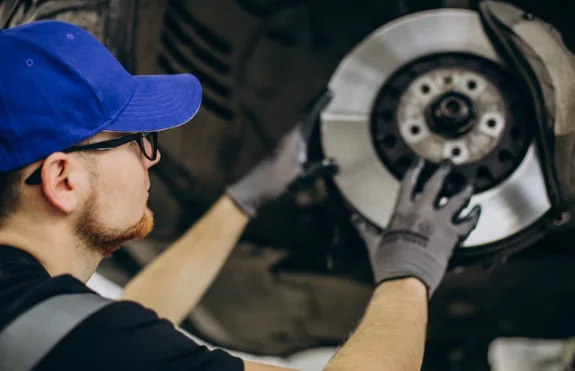
Some cars go through brake pads twice as fast as others. Vehicle weight, driving habits, and road conditions all play a role. Owners who understand these factors can plan ahead and avoid surprise repair bills.
Brake pads do not wear out on a fixed schedule. Two drivers with the same car can have very different results. One might need new pads at 30,000 miles. Another might drive 70,000 miles before a change. The difference comes down to how the car is used, not just how far it travels.
Vehicle Weight Adds Up Fast
Heavier cars need more force to stop. Every stop turns motion into heat, and brake pads absorb that heat. Large SUVs and trucks put more strain on their brakes than small sedans. Adding passengers or cargo raises that strain even more. A full car works the brakes harder than an empty one. Towing makes this worse. If a trailer lacks its own brakes, the tow vehicle has to do all the work. That extra load wears pads down fast.
Driving Style Matters More Than Mileage
Two people can drive the same number of miles and still get very different results from their brakes. The way someone drives often matters more than how far they go. Hard braking uses up pad material quickly. Drivers who speed up and then slam the brakes burn through pads faster than those who ease off the gas early. A few habits that speed up wear:
● Braking late at stoplights
● Following too close
● Frequent hard stops in traffic
● Riding the brake on hills
Smooth driving can stretch pad life by a wide margin. No parts or upgrades needed, just a lighter touch on the pedal.
City Driving Wears Pads Down Quicker
Stop-and-go traffic is rough on brakes. Every light, every crosswalk, and every jam means another stop. Over a month, that adds up to thousands of braking events. Highway driving is easier on pads. Speeds stay steady, and stops happen less often. Even though highway braking happens at higher speeds, there are far fewer stops overall. This is why delivery drivers and rideshare cars often need brake work sooner. They spend most of their time in heavy city traffic.
Not All Brake Pads Are Built the Same
Brake pad material affects how long it lasts. Some pads trade durability for a quieter ride. Others go the opposite way.
● Organic pads run quiet but wear out faster under heavy use.
● Semi-metallic pads last longer and handle heat well, though they can be noisier.
● Ceramic pads balance quiet operation with steady performance across temperatures.
Cheap pads are not always a good deal. They often wear out sooner, so drivers end up paying for replacements more often anyway.
Weather and Road Conditions Play a Role
Salt, rain, and road grit all affect brake parts. Winter salt can corrode calipers and hardware. When those parts stick, a pad can stay pressed against the rotor even when the driver is not braking. That constant contact wears the pad down fast. Dust and debris also add friction over time. Drivers near the coast face similar issues from salty air.
Regular Maintenance Extends Pad Life
Skipping small checkups often leads to bigger, more expensive brake problems. A shop that offers auto brake pad replacement in Kalamazoo, MI, will usually check more than just the pads. Calipers, rotors, and brake fluid all affect how long new pads will last. Warning signs worth paying attention to:
● Squealing or grinding noises
● A longer stopping distance
● The car is pulling to one side while braking
● Vibration in the brake pedal
● A dashboard brake warning light
Catching these early keeps repair costs down and protects the rest of the braking system.
Why Local Service Matters
Kalamazoo drivers deal with cold winters, road salt, and plenty of stop-and-go traffic. Those conditions add up over time. Finding a trusted auto mechanic means having someone who understands how local weather and roads affect brake wear.
A good auto repair shop will also check other systems while the car is in the bay. Cooling issues often show up around the same time as brake wear, so it helps to ask about car AC repair in Kalamazoo, MI, during a routine visit, especially before summer heat sets in.
Final Thoughts
Brake pad life depends on more than mileage. Weight, driving habits, weather, and pad quality all play a part. A driver who brakes gently and keeps up with maintenance can get far more life out of a single set of pads than one who ignores these factors.
Staying ahead of wear and tear saves money and keeps a car safer on the road. Regular inspections catch small issues before they turn into costly repairs. For drivers in the area, Muffler Man has long served as a name locals turn to for dependable brake and auto care.