Sign up with Google
 Sign in with Zoho

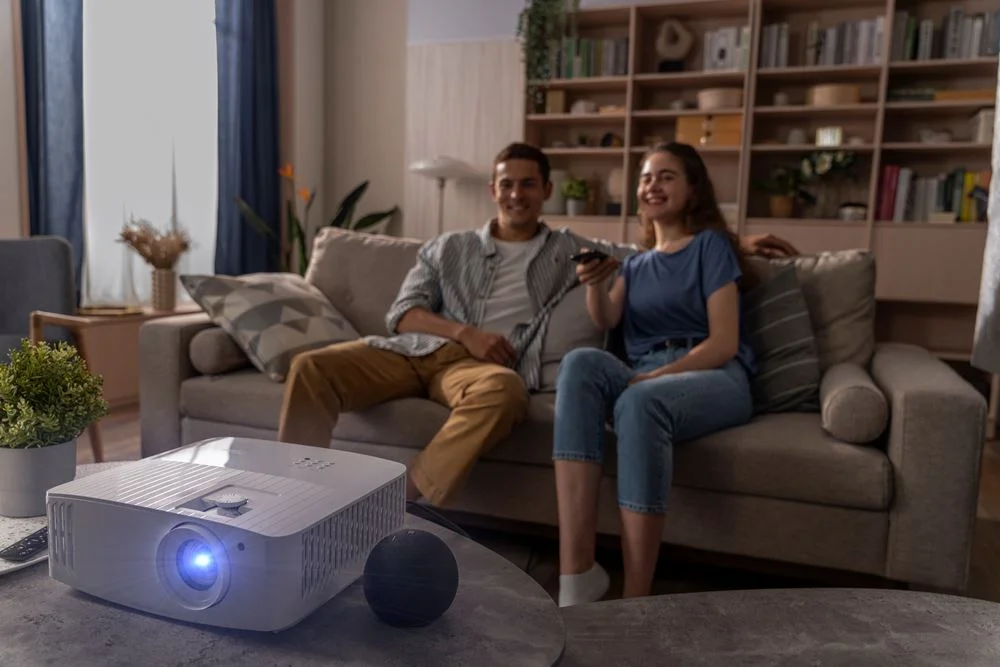
Picture the first big movie night on a new projector. Popcorn is ready, the family is settled, and the opening scene appears washed out, slightly crooked and a little too small. Nothing is broken. The setup simply wasn’t planned around the room. Most disappointing home cinemas share a handful of fixable problems, and this guide walks through them one by one, from symptom to cure.
Problem 1: The Picture Looks Faded
Likely cause: too much daylight, or a projector that is dim for the room. Fix: measure the room first, then control the light. Curtains and blinds help, and so does placing lamps so they don’t bounce off the screen. A sunny living room needs more brightness than a dark bedroom. Anyone choosing the best projector for home use should look past one headline number and weigh brightness, contrast, colour performance and connectivity together.
Problem 2: The Image Won’t Fit the Wall
Likely cause: the throw distance doesn’t suit the room. Fix: check the projector’s throw distance before buying. A model that needs a long gap to fill a large image will struggle in a compact room, so confirm that the distance you can actually offer produces the size you want.
Problem 3: The Wall Isn’t Helping
Likely cause: texture, colour or imperfections on the surface. Fix: a dedicated home projector screen gives a consistent surface, which matters most when the wall is uneven or tinted. Choose the size by viewing distance rather than by picking the largest option. A very large screen with viewers sitting too close becomes tiring over a long film.
Problem 4: Everyone Is Looking Upward
Likely cause: screen mounted too high, or seating that doesn’t line up. Fix: position the screen at a comfortable height, with the centre of the image aligned to the main seats. A home movie projector screen also comes in different formats:
- Fixed-frame: suits a dedicated room
- Retractable: better when the space serves other purposes
- Other formats: can work if they fit the room and lighting
Screen material behaves differently under different light, so decide with your room in mind.
Problem 5: Great Picture, Flat Sound
Likely cause: relying on the projector’s built-in speakers. Fix: built-in audio is fine for casual viewing, but dialogue, music and effects improve with a soundbar or external system. A compact room may need only a good soundbar, while a dedicated space can take surround sound. Plan speaker positions alongside the projector and screen rather than after.
Problem 6: It Looks Impressive but Doesn’t Suit How You Watch
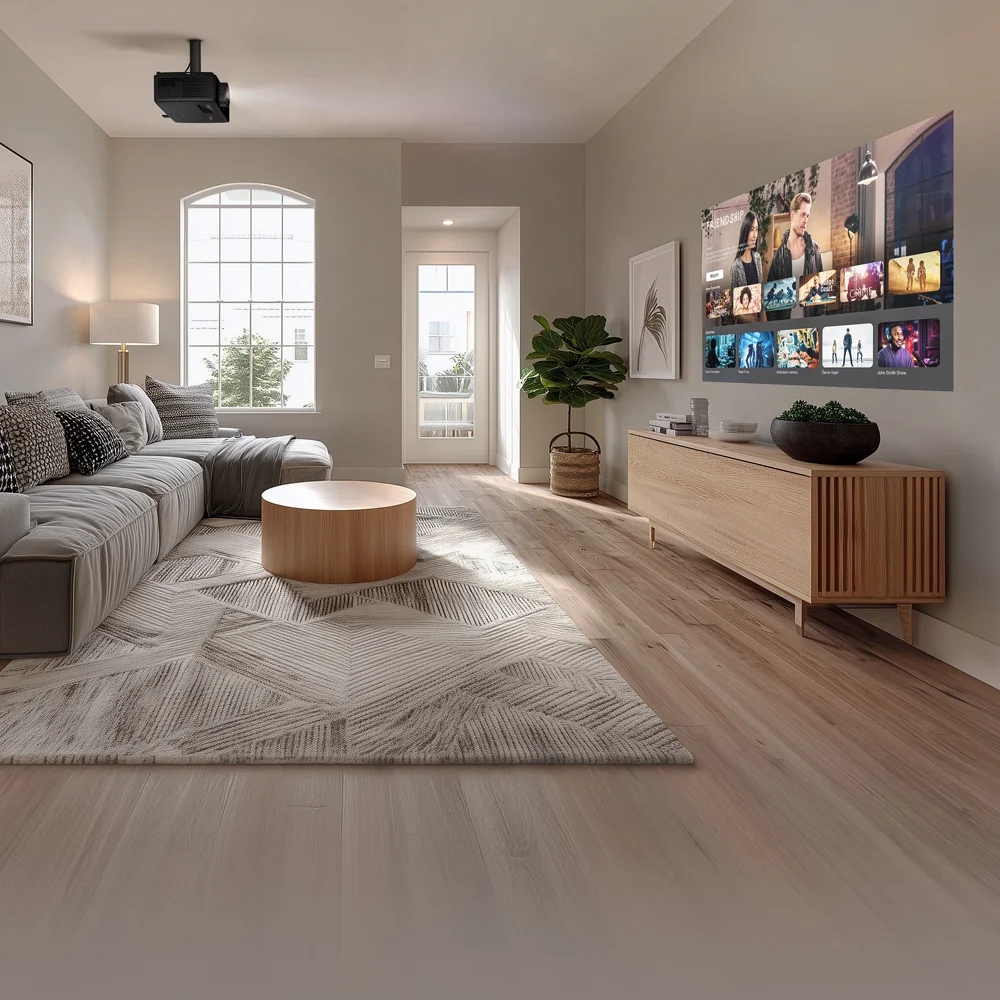
Likely cause: buying for the spec sheet instead of habits. Fix: match the setup to the content. Night-time film fans can control light easily. Afternoon sports and gaming need more brightness and, for consoles, low input lag and suitable refresh rates. Families sharing the room may prefer a simple, flexible installation, while enthusiasts might add ceiling mounting and calibrated picture settings.
The Pre-Purchase Checklist
- How large should the image be?
- How far will viewers sit?
- How much natural light enters the room?
- Where can the projector be installed?
- Will the space also be used for gaming or sports?
Answer these before spending anything, and most of the problems above never appear.
Choosing Equipment That Works Together
Optoma Technology India Private Limited provides visual display solutions for home entertainment, corporate, education and professional AV use, with a home cinema projector range for people building immersive large-screen spaces. Whichever brand you shortlist, treat the projector, screen, lighting, seating and sound as one system, not separate purchases.
The Bottom Line
The best projector for home is not the most expensive or the one with the longest spec sheet. It is the one that suits your room, habits and expectations. Pair it with a suitable home projector screen, sensible audio and comfortable seating, and the next movie night should look exactly as you imagined.
FAQs
1. Do I need a screen for a home projector?
Not necessarily, but a dedicated screen gives a more consistent surface than a painted wall and may improve the viewing experience.
2. How do I choose the right projector for my home?
Consider room size, ambient light, viewing distance, image size, resolution, brightness, connectivity and how you intend to use it.
3. What type of screen suits a home movie setup?
It depends on your room and installation preferences. Fixed, retractable and other formats can all work when matched to space and lighting.