Sign up with Google
 Sign in with Zoho

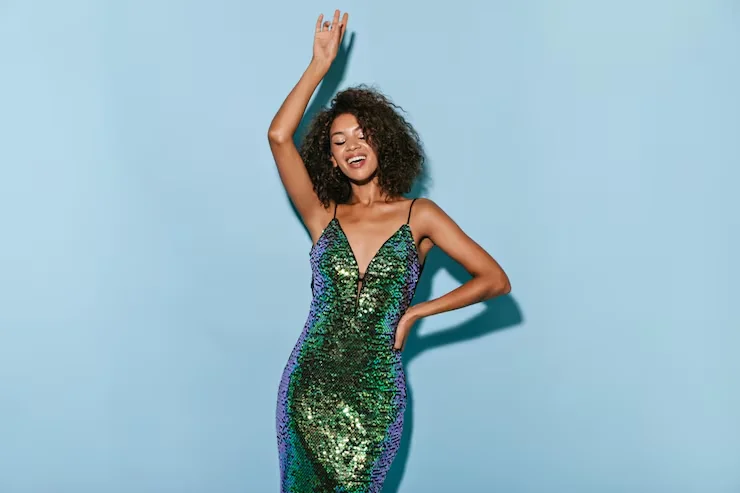
Cocktail attire is one of the most misread dress codes on any invitation, and it is worth clearing up before you spend an afternoon shopping for the wrong thing. It sits below full black-tie formality but above casual daytime wear, generally meaning a dress that hits somewhere between the knee and a longer midi length, in fabric that reads polished rather than everyday. The confusion usually comes from how differently the term gets used across regions and industries; a cocktail dress for a corporate holiday party in a hotel ballroom looks different from one for a backyard engagement celebration. Once you know your specific event, along with the venue, the season, and the time of day, the rest of the decisions about length, fabric, and color become much easier to make with confidence.
Length and Hemline Choices That Read as Intentional
Hemline is the first decision that signals whether a dress reads as cocktail-appropriate or simply as a short evening dress. A knee-length or just-below-knee hem is the classic cocktail length and works for nearly every version of this dress code, from office parties to upscale dinners. A midi hem, landing mid-calf, has become increasingly common for slightly more formal cocktail events and tends to be more forgiving for those who prefer a bit more coverage through the leg. Mini lengths can work for younger or more fashion-forward crowds but should generally be avoided for corporate or family-heavy events unless the invitation specifically signals a more relaxed dress code, since a shorter hem can unintentionally read as too casual in a more traditional setting. Asymmetric hems, with a higher point on one side, offer a middle ground that feels current without exposing more leg than a full mini.
Fabric and Texture for Evening Light
Cocktail parties usually happen indoors under warm, low lighting, which changes how fabric should be chosen compared to daytime dressing. Sequins, metallic jacquard, and structured crepe all catch light beautifully in a dim room and read as more formal without requiring floor-length fabric. Velvet has become a reliable choice for cooler-weather cocktail events, offering richness and warmth in one texture. Satin works well for sleeker, more minimal silhouettes, though it should be paired with tailored construction since satin tends to highlight any looseness in fit. If your event runs from daytime into evening, a fabric that transitions well, such as a matte crepe with subtle texture or a soft jacquard, avoids looking either underdressed early in the afternoon or overdone once the lighting shifts later in the evening.
Necklines, Sleeves, and Balancing Coverage
Cocktail dressing gives more room to experiment with necklines than bridal or evening wear typically allows. A one-shoulder or off-the-shoulder cut adds visual interest while keeping the rest of the silhouette simple, which works particularly well for smaller venues where guests are seated close together. Halter necklines elongate the neck and shoulders and pair naturally with an updo. For those who prefer more coverage, a high neckline balanced by a low back or a cutout at the waist keeps the look modern without feeling overly conservative. Sleeves, whether a fitted long sleeve or a structured cap sleeve, have become a popular way to add sophistication to a cocktail look without needing an additional jacket or wrap.
Building the Look Beyond the Dress
The dress sets the foundation, but accessories determine whether the full look reads as cocktail-appropriate. A structured clutch, rather than a full-size handbag, is the standard pairing, since cocktail events rarely require carrying much more than a phone and a card. Heel height should match the venue; a stiletto works well for a hotel ballroom or indoor space with smooth flooring, while a block heel or embellished flat is more practical, and considerably more comfortable, for outdoor terraces, gardens, or rooftop venues with uneven or grassy surfaces. Statement earrings pair naturally with a simpler neckline, while a more detailed bodice or beaded fabric usually looks best with minimal jewelry so the two elements do not compete. Anyone shopping our current cocktail party dresses selection will notice the range spans exactly these variations, from sequined mini styles to more covered midi options, which makes it easier to match the dress to the specific tone of your event rather than guessing.
Dressing for the Season Without Losing the Formality
Cocktail dressing also shifts with the calendar, and adjusting fabric weight rather than the dress code itself is usually the right move. In warmer months, lighter fabrics like chiffon overlays or crepe in brighter colors keep the look from feeling heavy, while in cooler months, richer textures like velvet or brocade in deeper jewel tones feel more seasonally appropriate. A cropped jacket or shrug in a complementary fabric extends a warm-weather cocktail dress into cooler evenings without changing the formality of the outfit, which is a useful trick for events that start before sunset and run late into the night, when temperatures can drop noticeably even in a mild climate.